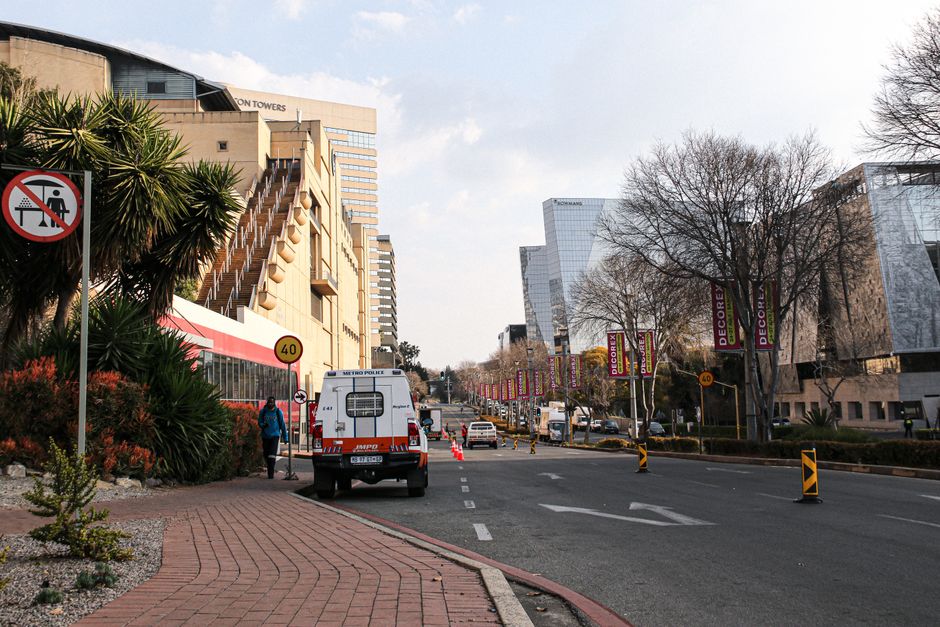
In a converted warehouse on Fox Street in Braamfontein, Mpilo Dlamini sits surrounded by screens tracking carbon emissions, renewable energy adoption, and climate risk assessments across sub-Saharan Africa. Three years ago, this space barely accommodated a team of three. Today, ClimateFlow—the platform Dlamini founded in 2023—employs 47 people spread across Johannesburg, Lagos, and Nairobi, and has secured $8.2 million in Series A funding.
"I was working in corporate sustainability," Dlamini recalls, "and I kept hitting the same wall: companies and governments had no real-time data on their climate exposure. The continent has the most to lose from climate change and the least visibility into managing it." That observation became the seed for ClimateFlow, a SaaS platform that provides businesses and municipalities with hyperlocal climate risk intelligence and emissions tracking.
What began in a shared workspace in Maboneng—at roughly R3,500 monthly—has evolved into a purpose-built innovation hub in the Braamfontein precinct. The startup is part of a quiet renaissance in Johannesburg's inner city, where affordable rent and proximity to talent have attracted dozens of climate-tech and fintech ventures over the past 18 months. The area now hosts at least 43 early-stage companies, according to the Johannesburg Development Agency's latest innovation district audit.
ClimateFlow's breakthrough came when the Gauteng provincial government adopted its platform to track municipal water stress and flooding risk—a critical need given the region's acute water challenges. That contract opened doors across Southern Africa, leading to partnerships with major retailers, mining operations, and agricultural firms desperate for credible climate data.
"The gap between climate science and business reality is enormous," says Dr. Thandi Mthembu, ClimateFlow's chief data scientist. "Our platform translates complex climate models into actionable insights." The company's algorithm combines satellite imagery, ground-based sensors, and proprietary weather modeling to generate risk scores updated every six hours.
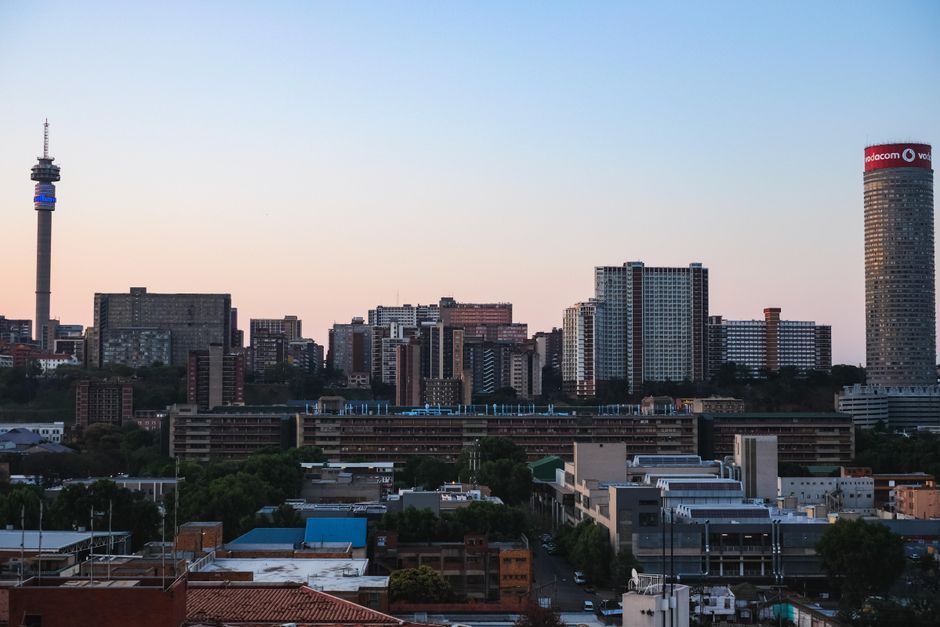
For Johannesburg's entrepreneurial ecosystem, Dlamini's trajectory signals something larger: the city's startup scene is maturing beyond the hype-cycle driven ventures of the 2010s. Investors and founders are increasingly focused on solving Africa-specific problems with deep expertise and sustainable revenue models. ClimateFlow's modest yet steady growth—from zero revenue in 2023 to projected R12 million in 2026—reflects this shift toward impact-driven business models.
As climate regulation tightens globally, companies across the continent are scrambling to understand their exposure. For Dlamini and his growing team, that urgency is opportunity. And for Johannesburg's innovation district, it's validation that serious solutions can incubate right here, in the heart of Africa's economic engine.
This article was compiled by AI from the sources linked above and screened before publishing. See our editorial standards.