Retail, Hospitality and Food Sector Faces Perfect Storm of Rising Costs and Flagging Consumer Demand
Johannesburg's vibrant dining and retail landscape battles electricity tariffs, wage pressures and cautious spending as mid-year outlook darkens.
Johannesburg's vibrant dining and retail landscape battles electricity tariffs, wage pressures and cautious spending as mid-year outlook darkens.
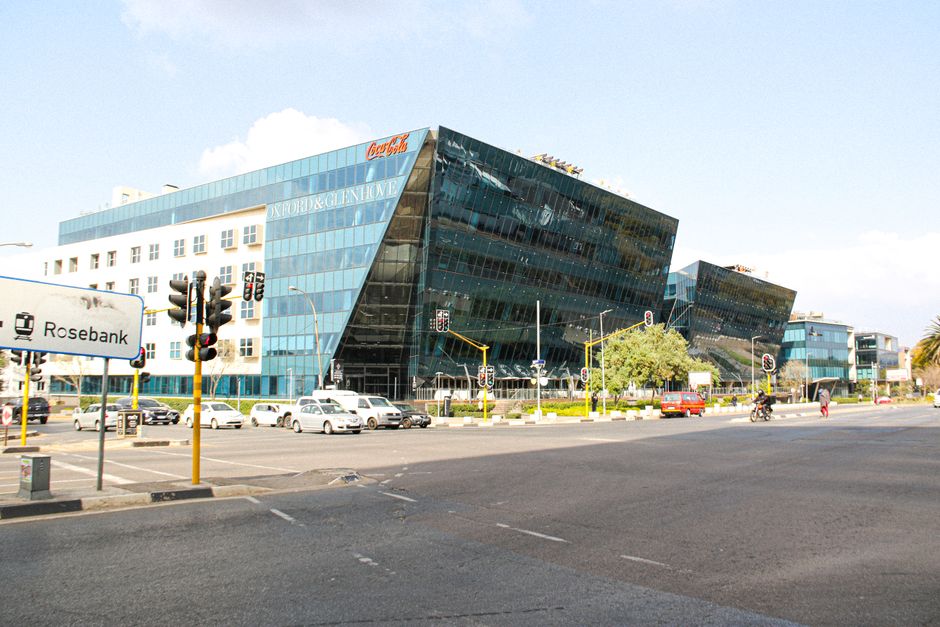
The gleaming restaurant facades along Sandton's Rivonia Road and the bustling retail precincts of the Maboneng District tell a story of resilience—but beneath the surface, Johannesburg's hospitality and food sector is grappling with headwinds that threaten profitability and expansion plans across the city.
Electricity costs remain the sector's most acute challenge. With Eskom tariffs climbing another 12.6% from July, operators across venues from Parkhurst cafés to Bryanston's upmarket establishments face monthly power bills that continue spiralling beyond forecasts. A mid-sized restaurant in the northern suburbs now allocates roughly 8-10% of operating costs to energy alone—double the proportion from three years ago. Load-shedding schedules, while improving marginally, have forced many establishments to invest in backup generators, adding further capital strain.
Labour cost pressures compound the squeeze. The hospitality sector's statutory minimum wage requirements, coupled with rising provident fund contributions and skills levies, have pushed payroll expenses up by approximately 7-9% year-on-year. For establishments clustered around the Johannesburg Stock Exchange precinct and the Rosebank business district, competing for skilled waitstaff and trained chefs has become increasingly expensive.
Consumer behaviour has shifted noticeably. While foot traffic in established zones like the Sandton City shopping centre remains steady, discretionary spending on dining experiences has contracted. Industry sources indicate that average transaction values at mid-to-upper-range restaurants have declined 4-6% compared to last year, reflecting household belt-tightening. The casual dining segment—traditionally a growth driver—faces particular pressure as families opt for home-cooked meals over restaurant outings.
Supply chain disruptions continue to bite, particularly for imported ingredients and premium food products. Logistics costs within South Africa have stabilised somewhat, but the weak rand environment still affects pricing for imported beverages, specialty goods and equipment sourced internationally. Local food producers have absorbed some cost pressures, yet prices for quality proteins, dairy and fresh produce remain elevated.
Real estate remains expensive across hospitality hotspots. New entrants eyeing prime locations in areas like Illovo, Fourways and Melrose find rental negotiations challenging as landlords maintain aggressive pricing despite economic headwinds. This has effectively frozen expansion for smaller operators and prompted some established venues to reconsider footprint growth.
Yet the sector shows signs of adaptation. Technology adoption—from advanced POS systems to delivery app integration—is gaining momentum among forward-thinking operators. Those managing energy consumption intelligently and diversifying revenue streams through delivery channels and events are weathering the storm better than competitors operating on traditional models. Industry observers suggest that H2 2026 will separate the operationally efficient players from those struggling with legacy cost structures.
This article was compiled by AI from the sources linked above and screened before publishing. See our editorial standards.
How does this story make you feel?
Spread the word
About this article
Published by The Daily Johannesburg
Daily brief
Free, in your inbox before 7am. Weekdays.
More in Business