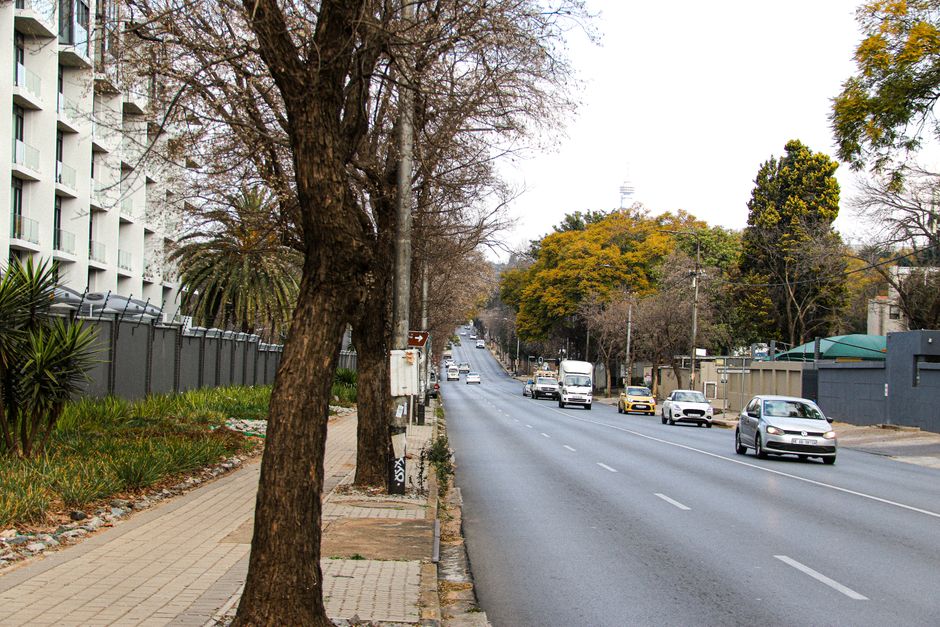
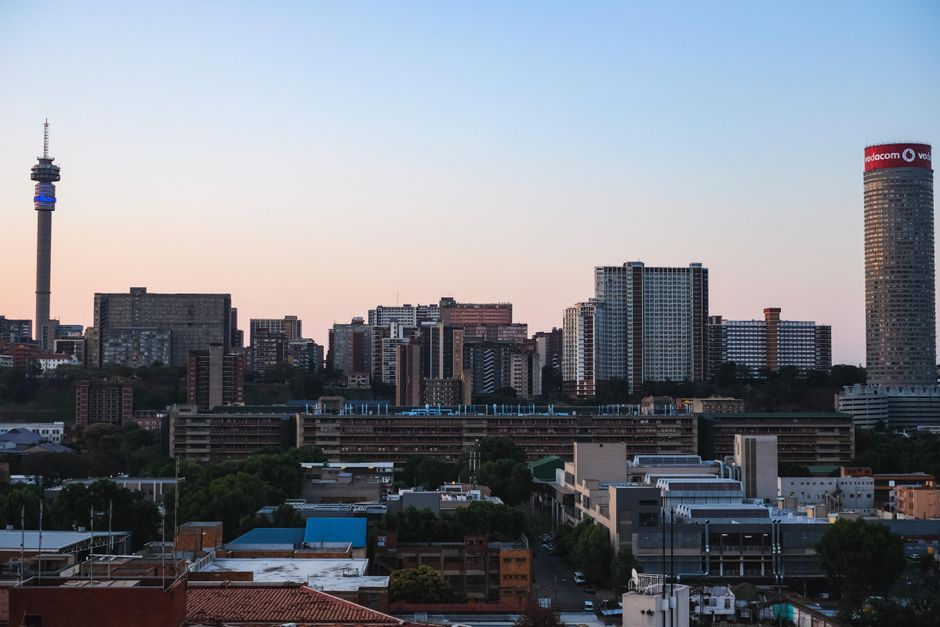
The shooting in Germany, escalating Middle East tensions, and the unfolding Ebola crisis in the Democratic Republic of Congo might seem distant from the bustling streets of Commissioner Street, but for Johannesburg's small business owners, these global events are hitting hard—and immediately.
Thandi Mkhize runs a textile import business from a modest warehouse in Braamfontein, sourcing fabrics from Pakistan and finished goods through Dubai logistics hubs. When Pakistan's military actions against Afghanistan intensified last week, shipping routes became unpredictable. "My June consignment got delayed by eight days," she explains. "That's money sitting in transit. Retailers in the Johannesburg CBD who depend on our stock are calling daily asking where their orders are."
For small manufacturers and traders across Johannesburg's key business nodes—from the Fashion District in Fordsburg to the textile suppliers dotting Leather Town in Troyeville—global supply chain disruptions translate directly into margin pressures. Import costs have risen 12-15 percent in recent weeks, according to preliminary data from the Johannesburg Chamber of Commerce, yet many small operators cannot immediately pass these costs to price-sensitive local customers.
The DR Congo Ebola situation presents additional headaches. Several Johannesburg-based pharmaceutical distributors and medical equipment suppliers who service clinics across the Southern African region are now facing regulatory delays for cross-border shipments. "Every country is tightening border protocols," says one logistics coordinator at a Midrand-based distribution firm. "What used to take three days now takes two weeks."
Currency volatility compounds the crisis. The rand's fluctuation against the dollar—exacerbated by global trade tensions and Middle East uncertainties—means that entrepreneurs like Mkhize face unpredictable acquisition costs. A contract agreed to 30 days ago may cost 8-10 percent more by execution.
Yet some Johannesburg businesses are finding opportunity in crisis. Local manufacturers in the Linbro Park industrial zone are seeing increased enquiries from retailers seeking to "nearshore" supply chains—moving away from Asian and Middle Eastern suppliers toward regional alternatives. One Johannesburg-based packaging manufacturer reports a 20 percent uptick in quotation requests from nervous retailers.
The lesson for Johannesburg's entrepreneurial ecosystem is clear: staying competitive no longer means competing locally. Global headwinds are no longer abstract economics—they're affecting inventory, cash flow, and survival. Small business owners who can build flexible supply chains and maintain currency hedging strategies will weather the storm. Those who can't adapt will find themselves squeezed harder than ever.
This article was compiled by AI from the sources linked above and screened before publishing. See our editorial standards.