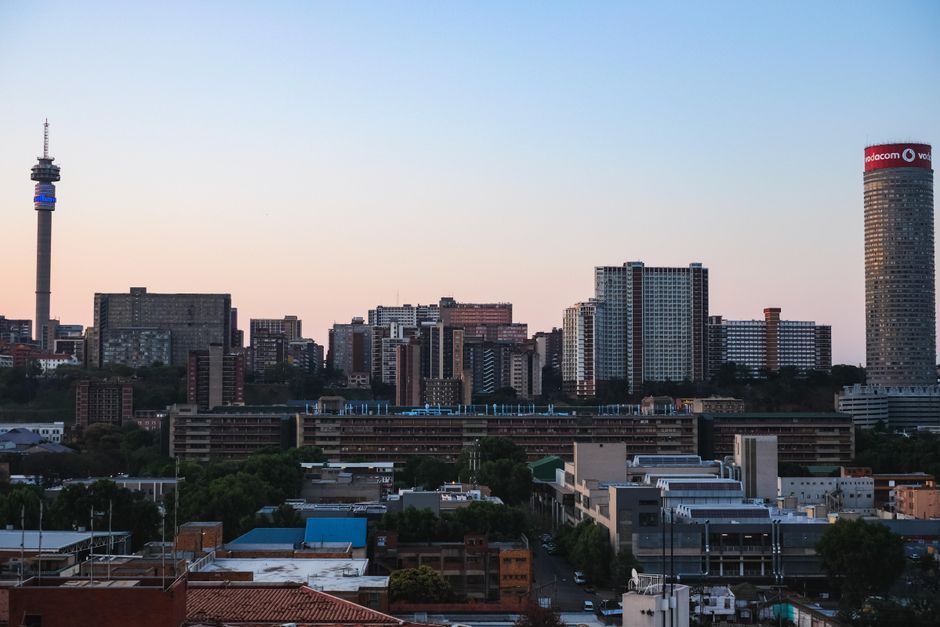
The past 48 hours have delivered a masterclass in global interconnectedness for Johannesburg's small business owners. As rescue efforts continue in Venezuela following devastating seismic activity, and geopolitical tensions simmer across the Middle East and South Asia, local entrepreneurs are grappling with immediate, tangible consequences.
For Lindy Chen, who runs a boutique import-export operation from a modest office in Braamfontein, the timing couldn't be worse. Her business, which sources textiles and components primarily from Asia and Latin America, is now facing a perfect storm of disruptions. "Venezuelan suppliers have gone silent. Shipping routes through the Strait of Hormuz are becoming unpredictable due to Iran tensions," she explains. The cost of insuring shipments through volatile corridors has jumped 23% in recent weeks, directly eating into margins that were already slim at 12-15%.
The currency market tells a similar story. The rand, already volatile, has weakened further as investors flee emerging markets amid global uncertainty. This creates a compounding problem: local entrepreneurs who price in rand must now pay in dollars for imports, while competing with multinational corporations that hedge currency risk through sophisticated financial instruments unavailable to small operators.
At the Braamfontein Business Improvement District, foot traffic has noticeably slowed as consumer confidence dips. Retail operators report that middle-income shoppers—traditionally their bread-and-butter—are tightening expenditure. One manager of a small homeware store on Fox Street notes that sales in June have fallen 18% compared to last year, primarily attributable to cautious consumer spending amid economic uncertainty.
The disruptions extend to service providers. Transport operators face rising fuel costs as global crude prices spike amid Middle Eastern tensions. A logistics firm based in Jeppestown reports that last-mile delivery costs have increased by roughly 12% since April, forcing them to either absorb losses or pass increases to clients—many of whom are themselves struggling.
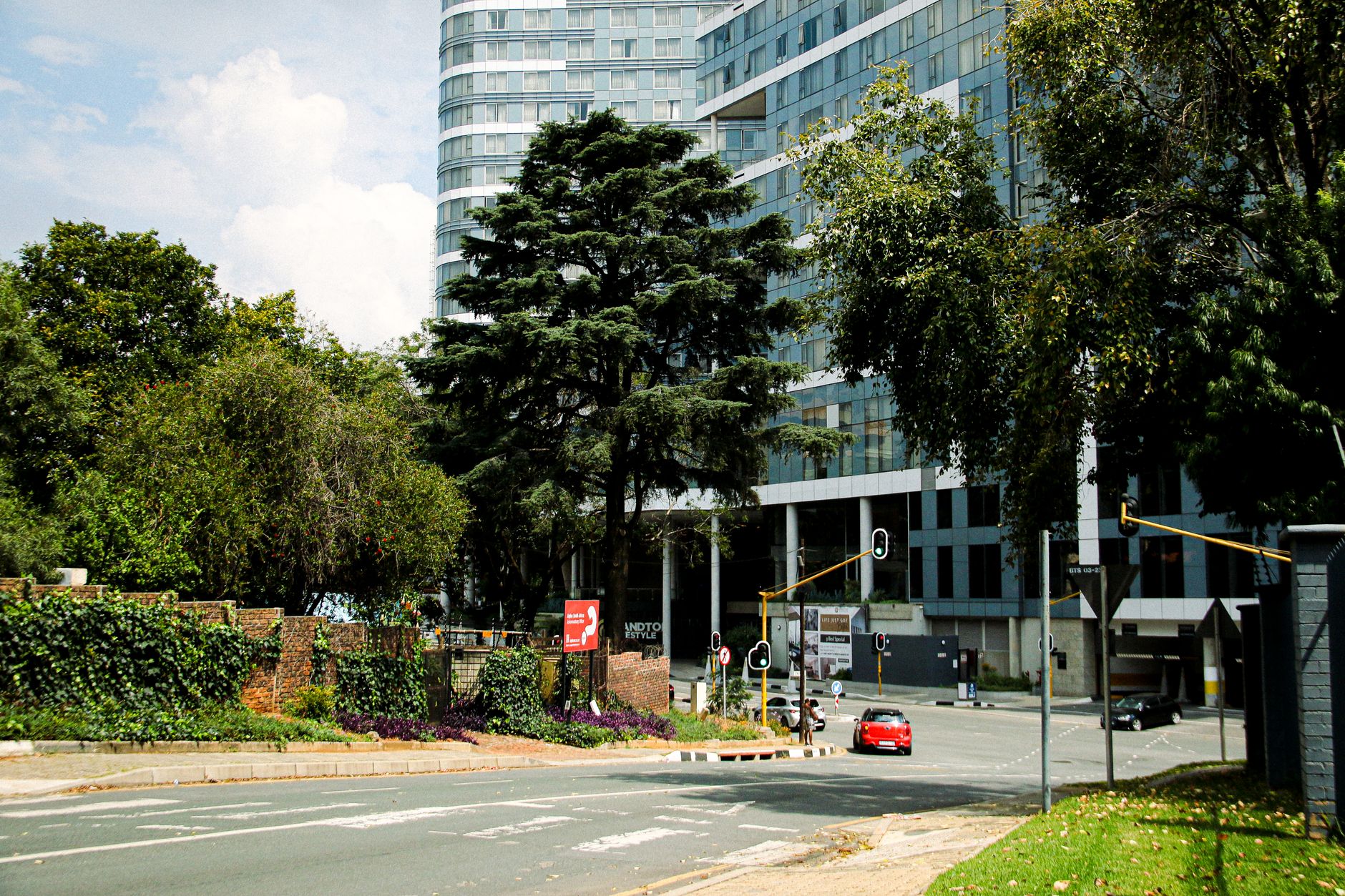
Yet some sectors show resilience. Technology startups in the Sandton innovation corridor, less dependent on physical supply chains, are attracting renewed investor attention as global capital seeks safer harbours. Meanwhile, local manufacturers focusing on domestic consumption are experiencing relative stability, suggesting that businesses insulated from international exposure may weather the current storm better than their globally-integrated counterparts.
The lesson is stark: Johannesburg's business ecosystem, despite its continental prominence, remains acutely vulnerable to distant shocks. For small entrepreneurs without sophisticated risk management infrastructure, the geopolitical chess game playing out across Venezuela, the Middle East, and South Asia isn't abstract—it's a daily operational reality.
This article was compiled by AI from the sources linked above and screened before publishing. See our editorial standards.