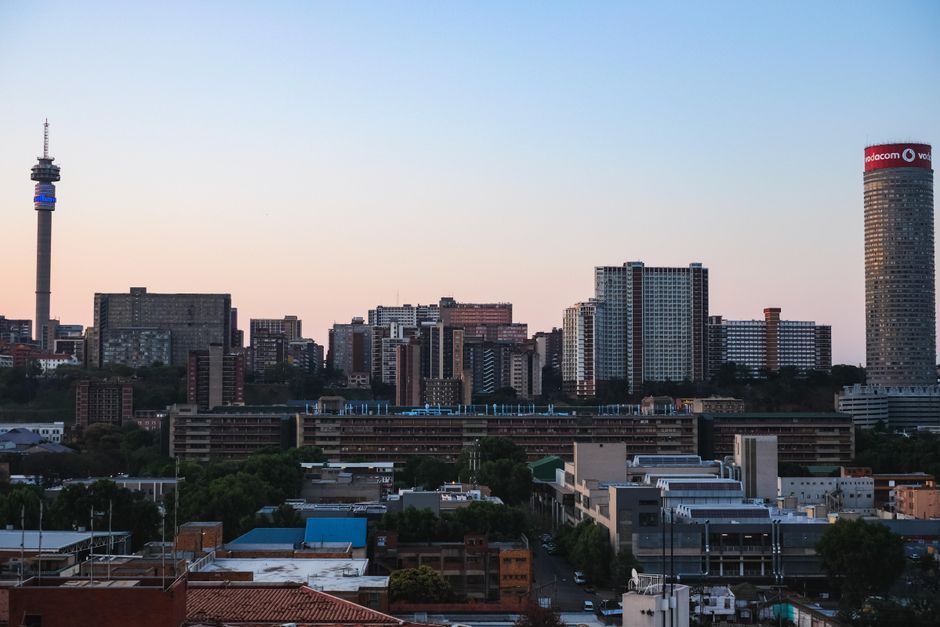
How Global Chaos Is Reshaping What Johannesburg Businesses Pay and Sell
From Sandton's trading floors to Soweto's retailers, geopolitical tensions and supply chain upheaval are forcing local companies to rethink strategy and pricing.
From Sandton's trading floors to Soweto's retailers, geopolitical tensions and supply chain upheaval are forcing local companies to rethink strategy and pricing.
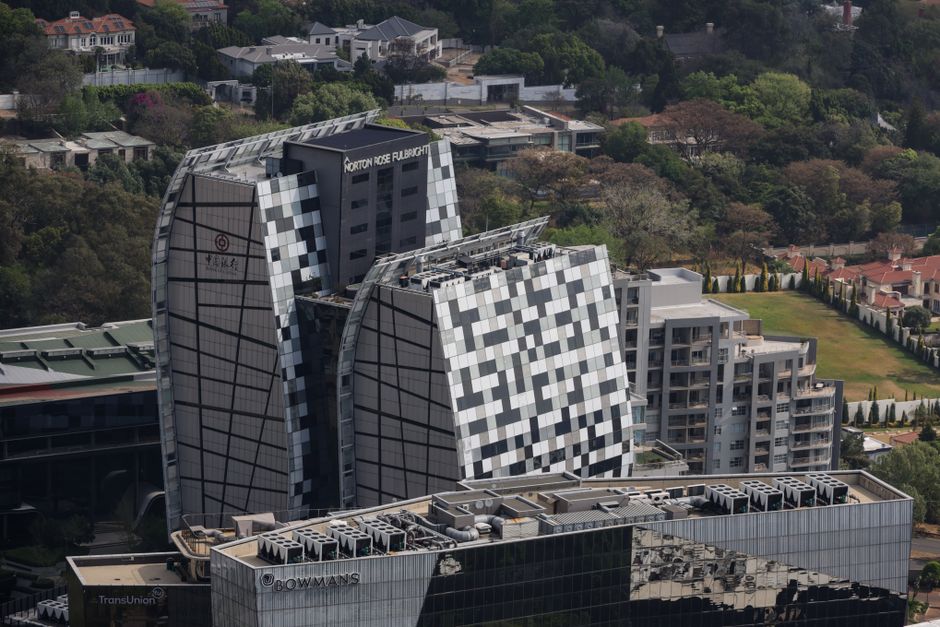
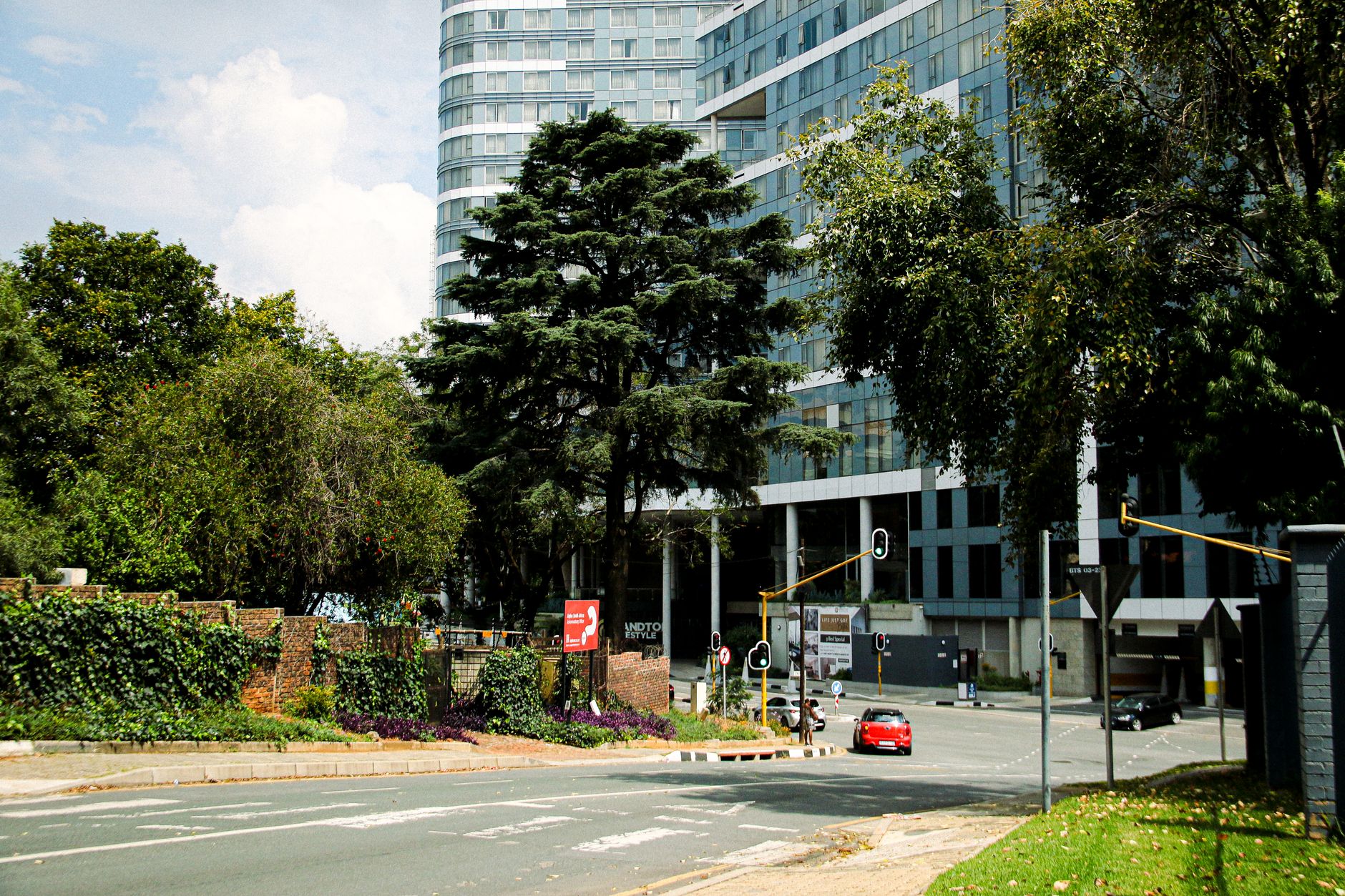
The tremors rippling through global markets are hitting closer to home than many Johannesburg business owners realise. While headlines from Venezuela's earthquake, Middle East tensions, and Pakistan-Afghanistan clashes dominate international news, local executives in the Sandton CBD and beyond are quietly recalibrating their operations—and their bottom lines.
For companies operating from Johannesburg's key commercial hubs like the Johannesburg Stock Exchange precinct and the Grayston Drive corridor, geopolitical instability translates directly into margin pressure. When Iran threatens strait access, fuel costs spike. When Pakistan escalates regional tensions, manufacturing supply chains stutter. These distant conflicts have immediate consequences for Johannesburg's import-dependent sectors.
"Currency volatility alone has cost us roughly 8-12% in operational efficiency over the past quarter," explains the reality facing many logistics and retail operators across the city. Companies importing finished goods through ports face compounded delays and insurance premiums that have climbed noticeably since early 2026. Retailers in Bryanston and Midrand shopping centres report that wholesale costs for imported clothing and electronics have risen 15-20% year-on-year, forcing difficult pricing decisions.
The ripple effects extend to Johannesburg's services sector. Business process outsourcing firms in the Sandton area, which rely on stable international client bases, are seeing project delays as US-Iran tensions create uncertainty among American corporate clients. Meanwhile, mining equipment suppliers—critical to Johannesburg's historic economic DNA—face supply chain complications as manufacturing hubs worldwide experience disruption.
Local financial services firms are adapting faster than most. The JSE's trading volumes have shifted as international investors reassess risk exposure, with South African equities seeing increased volatility. This has forced Johannesburg's wealth management and investment advisory sector to recalibrate client portfolios.
But there's strategic opportunity amid the chaos. Some Johannesburg-based manufacturers are seeing renewed interest in locally-produced alternatives, as multinational corporations seek supply chain diversification away from troubled regions. Companies in industrial areas like Wadeville and Boksburg are exploring how they might capture share from international suppliers facing delays.
The message from Johannesburg's business community is clear: in an increasingly fractured world, local resilience matters. Those companies with diversified supply chains, strong local relationships, and currency hedging strategies are weathering the storm. Those without are learning expensive lessons about global interdependence—and the price of ignoring it.
This article was compiled by AI from the sources linked above and screened before publishing. See our editorial standards.
How does this story make you feel?
Spread the word
About this article
Published by The Daily Johannesburg
Daily brief
Free, in your inbox before 7am. Weekdays.
More in Business