Walk through the parking lot behind the Gauteng Growth Fund's offices in Braamfontein any weekday morning, and you'll spot a cluster of electric scooters, cargo bikes, and three-wheeled delivery pods lined up like a modern fleet. This is the visible edge of Johannesburg's fastest-growing logistics micro-niche—and for small entrepreneurs, it's become a genuine money-maker.
The opportunity is straightforward: large retailers and e-commerce platforms need packages moved across Johannesburg's congested inner-city zones faster than traditional courier services can manage. The Sandton-to-CBD corridor, a 12-kilometre stretch that can take 45 minutes by vehicle during peak hours, has become the proving ground for alternative last-mile solutions. Small operators using electric cargo bikes and scooters are cutting that to 20 minutes—and charging premium rates for the privilege.
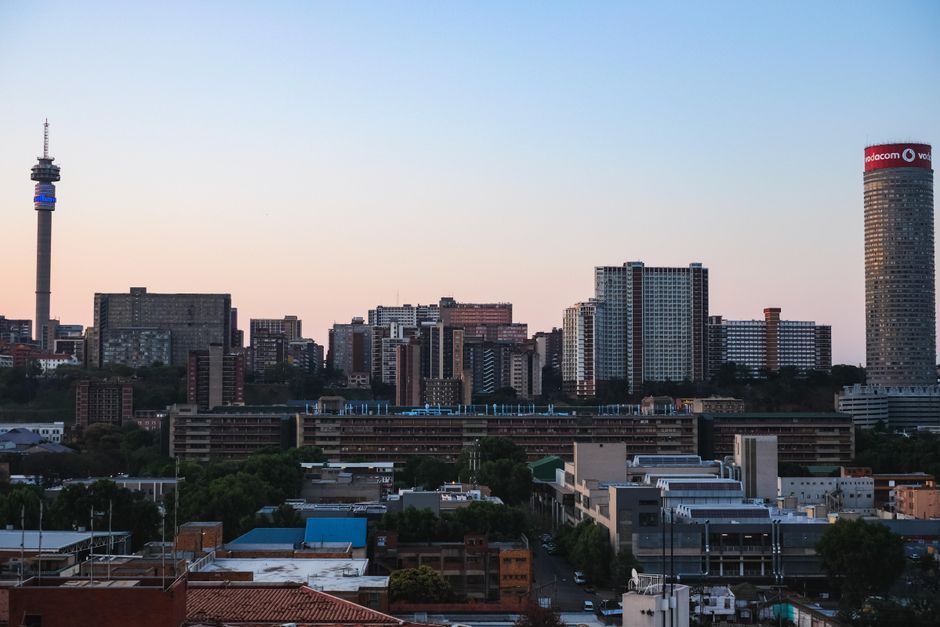
"We're seeing demand we couldn't have predicted eighteen months ago," says Ndumiso Khumalo, who manages the Braamfontein micro-logistics hub. Operating across Maboneng, Newtown, and extending toward the Johannesburg Stock Exchange precinct, Khumalo's network of five independent couriers now handles roughly 180 deliveries daily, up from 40 in early 2025. Average per-delivery margins have climbed from R35 to R54—a 54% jump—as corporate clients shift premium, time-sensitive shipments away from traditional couriers.
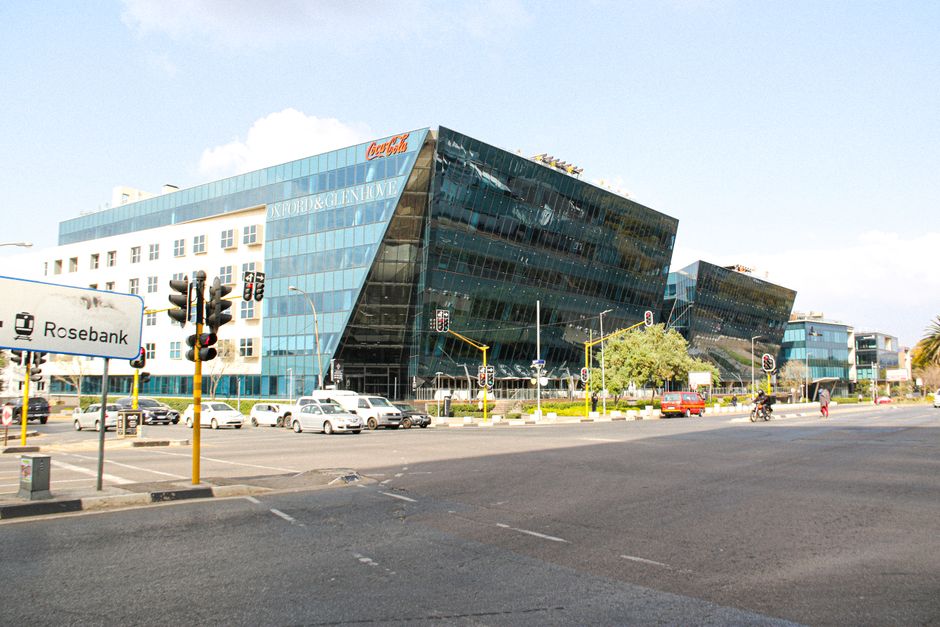
The economics favour nimble operators. Entry costs remain modest: a quality electric cargo bike costs between R18,000 and R35,000, vastly cheaper than leasing a vehicle. Electricity costs run roughly R2 per delivery. Insurance and basic compliance add another R800 monthly. For entrepreneurs working the Rosebank-to-Parkhurst stretch or handling inter-office transfers across the Johannesburg Stock Exchange precinct, three to five deliveries per hour at R50–R80 each creates viable mid-five-figure monthly incomes.
Growth isn't universal, though. Success clusters in high-density commercial zones. Operators struggling in lower-volume neighbourhoods or competing on price rather than speed report tighter margins. Meanwhile, formal logistics players—Uber Eats and similar platforms—are beginning to move into the space, which could compress independent operator rates within 12 to 18 months.
The real opportunity window may be narrower than it appears. Entrepreneurs already embedded in high-traffic zones like Braamfontein, Maboneng, and Sandton are consolidating early advantages. New entrants would be wise to secure contracts with anchor corporate clients before the space matures.
This article was compiled by AI from the sources linked above and screened before publishing. See our editorial standards.