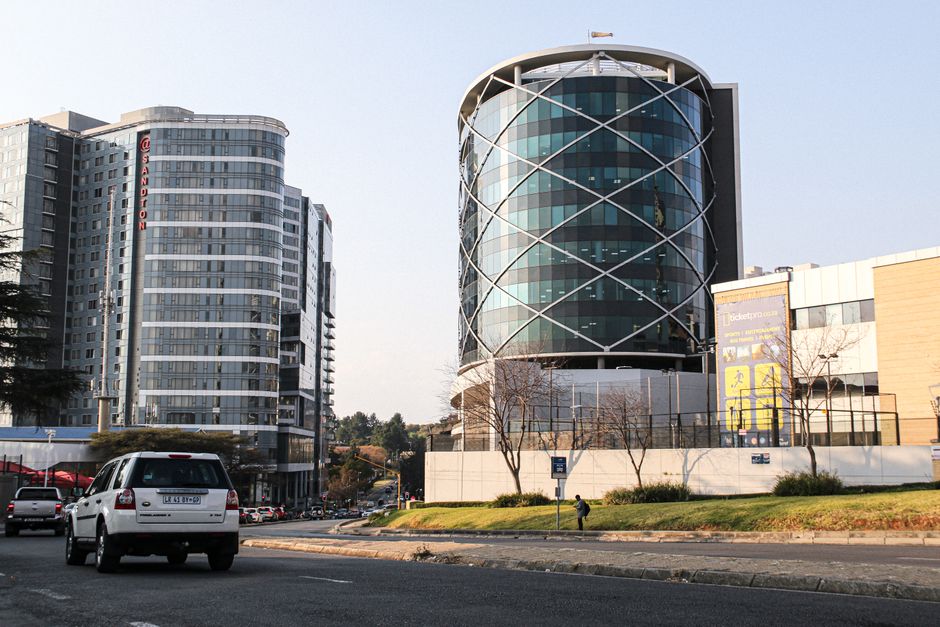
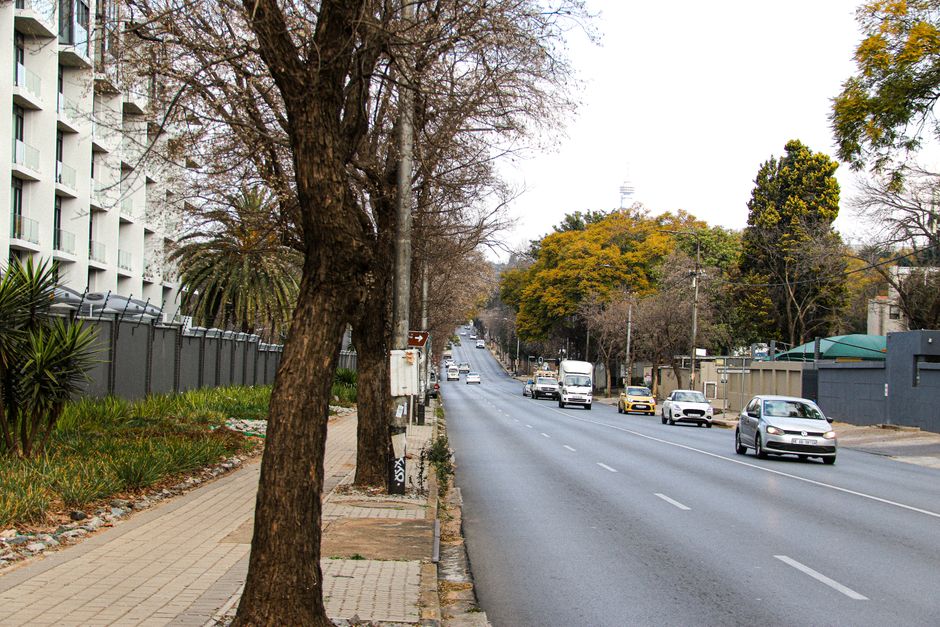
Johannesburg's retail hospitality and food industry is navigating a critical inflection point. While the city's restaurant and bar scene—from the bustling precincts of Sandton to the eclectic offerings along 44 Stanley in the Maboneng Precinct—continues to attract both locals and international visitors, business operators are contending with a complex mix of inflationary pressures, shifting consumer behaviour, and intensifying competition from online delivery platforms.
Recent data suggests that Johannesburg's mid-to-premium dining establishments are experiencing a modest slowdown in foot traffic compared to the same period last year. Industry observers report that while establishments in high-traffic zones like the Precinct and the Rosebank restaurant strip maintain healthy margins, independent operators in secondary locations are tightening margins and rethinking pricing strategies. Average meal costs at casual dining venues have risen roughly 7-9 percent year-on-year, a figure that increasingly tests price-sensitive consumer tolerance.
The shift towards delivery and takeaway models continues unabated. Third-party aggregators now account for nearly 35-40 percent of order volume for participating establishments, a proportion that shows little sign of declining. However, commission structures—typically ranging from 25 to 30 percent per transaction—are eroding profitability for smaller operators who lack the scale to absorb such costs.
What's particularly notable is the emergence of hybrid hospitality models. Several established venues across Johannesburg have begun integrating retail components—artisanal products, beverages, or prepared foods for take-home consumption—to diversify revenue streams beyond traditional service. This trend is especially pronounced in neighbourhoods like Norwood and Bryanston, where consumer spending power remains relatively resilient.
Labour cost pressures remain acute. Wage expectations in the hospitality sector have climbed steadily, driven by inflation and increased competition for skilled staff. Operators report that experienced kitchen and service personnel command premiums of 12-15 percent above 2024 baseline rates. Simultaneously, many venues are experimenting with staff retention programmes and non-monetary incentives to reduce turnover.
For businesses planning expansion or refurbishment, commercial property costs in prime locations remain elevated, though market volatility has introduced pockets of negotiation. Rent in established hospitality zones has plateaued rather than continued climbing, offering some relief to operators considering location moves or lease renewals.
The consensus among sector participants is clear: sustainability in Johannesburg's retail hospitality space now requires operational agility, disciplined cost management, and a willingness to embrace technology without losing the authentic customer experience that differentiates local establishments from chain competitors. Those who adapt swiftly will likely emerge stronger as the year concludes.
This article was compiled by AI from the sources linked above and screened before publishing. See our editorial standards.