Johannesburg's Tourism Sector Faces Perfect Storm of Headwinds in 2026
Rising costs, global instability and infrastructure challenges threaten recovery of a visitor economy still rebuilding from pandemic losses.
Rising costs, global instability and infrastructure challenges threaten recovery of a visitor economy still rebuilding from pandemic losses.
Johannesburg's tourism and hospitality sector is confronting a converging set of challenges that threaten to derail what was shaping up as a recovery year for the city's visitor economy. Hotel occupancy rates across the Sandton and Rosebank precincts have plateaued at around 68%, significantly below the 78% benchmark needed for sustainable profitability, while international arrivals through O.R. Tambo International Airport remain 12% below 2019 levels.
The headwinds are multifaceted. Global geopolitical tensions—from Middle East escalations to broader trade uncertainties—have made affluent international visitors more cautious about long-haul travel. Meanwhile, the weak rand, which should theoretically boost inbound tourism by making South Africa cheaper for foreign visitors, has been offset by rising domestic input costs. Accommodation providers in the Maboneng Precinct and around the Apartheid Museum report that energy costs have surged 34% year-on-year, forcing difficult choices between maintaining competitive rates and sustaining operations.
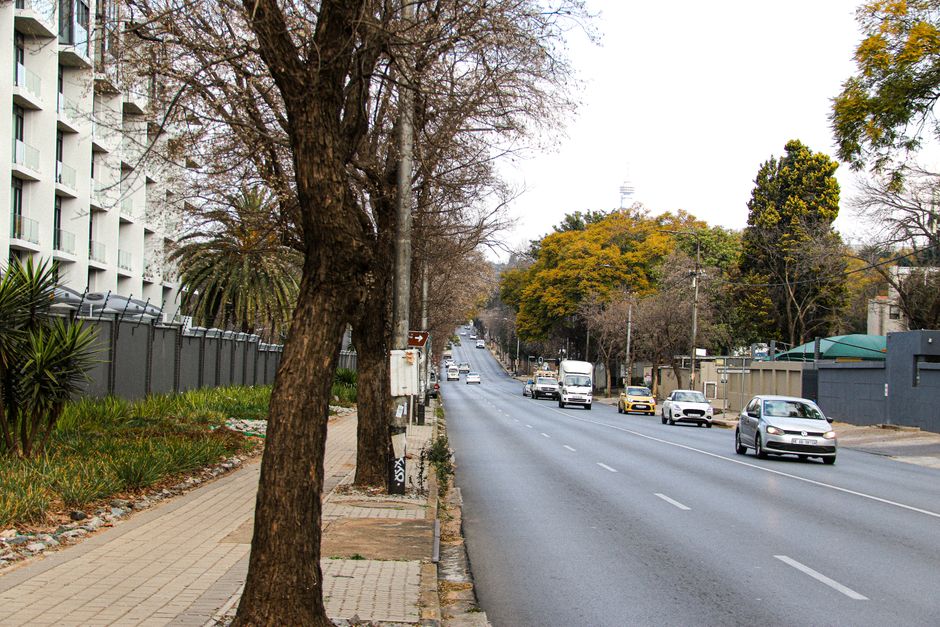
Transport infrastructure remains a critical vulnerability. While the Gautrain operates efficiently between Sandton and the airport, road conditions on key routes—particularly access to attractions like the Maropeng Visitor Centre in the Cradle of Humankind—continue to deter self-drive tourists. The condition of the N1 corridor northward has become a talking point among tour operators and travel agencies along Claim Street in the CBD.
Security perceptions, whether justified or overstated, continue to influence travel decisions. Major hotel chains report that international booking platforms increasingly flag South Africa with advisory warnings, affecting search rankings and traveller confidence. Local tour operators note that structured, guided experiences command premium pricing, limiting accessibility for mid-range travellers.
The restaurant and entertainment scene—a genuine competitive advantage centred around areas like Sandton, Parkwood and the Maboneng Quarter—has also been pressured. Labour cost inflation and competition from suburban alternatives have squeezed margins, with some venues reporting 15-20% drops in off-peak evening traffic compared to 2024.
Industry bodies including the Johannesburg Tourism Company have acknowledged these pressures, pointing to the need for coordinated infrastructure investment and improved marketing positioning. The sector's recovery, stakeholders argue, depends not on short-term pricing adjustments but on addressing systemic issues: reliable transport networks, consistent security, and competitive positioning against regional alternatives like Cape Town, which continues to outpace Johannesburg in international visitor growth.
For a city whose tourism sector once generated over R200 billion annually, current performance figures underscore that this recovery will not be automatic.
This article was compiled by AI from the sources linked above and screened before publishing. See our editorial standards.
How does this story make you feel?
Spread the word
About this article
Published by The Daily Johannesburg
Daily brief
Free, in your inbox before 7am. Weekdays.
More in Business