Geopolitical Instability Is Reshaping Johannesburg's Tourism Economy—And Local Businesses Feel the Bite
As global uncertainty keeps travellers grounded, Johannesburg's hospitality and retail sectors are recalibrating their strategies and margins.
As global uncertainty keeps travellers grounded, Johannesburg's hospitality and retail sectors are recalibrating their strategies and margins.
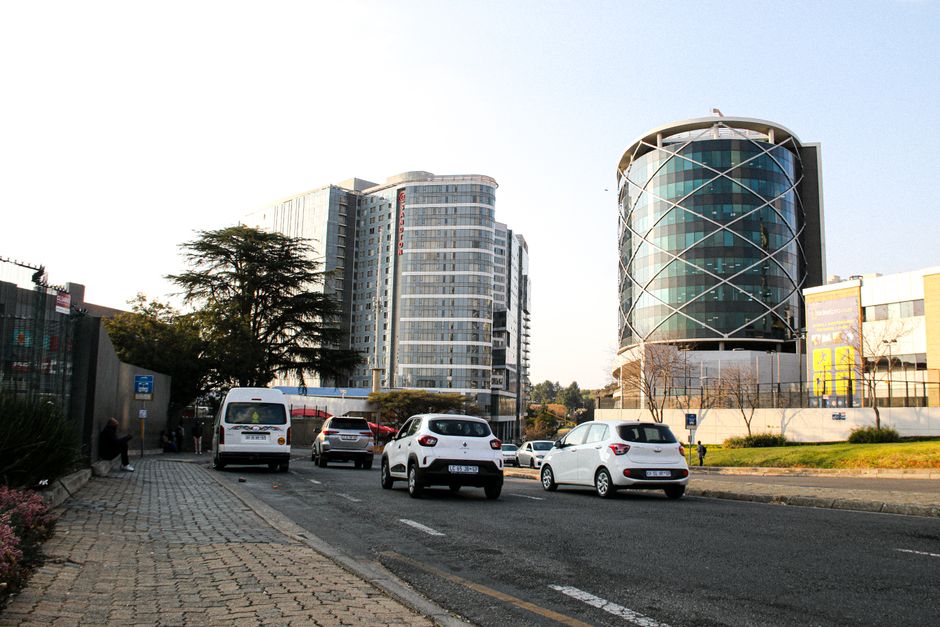
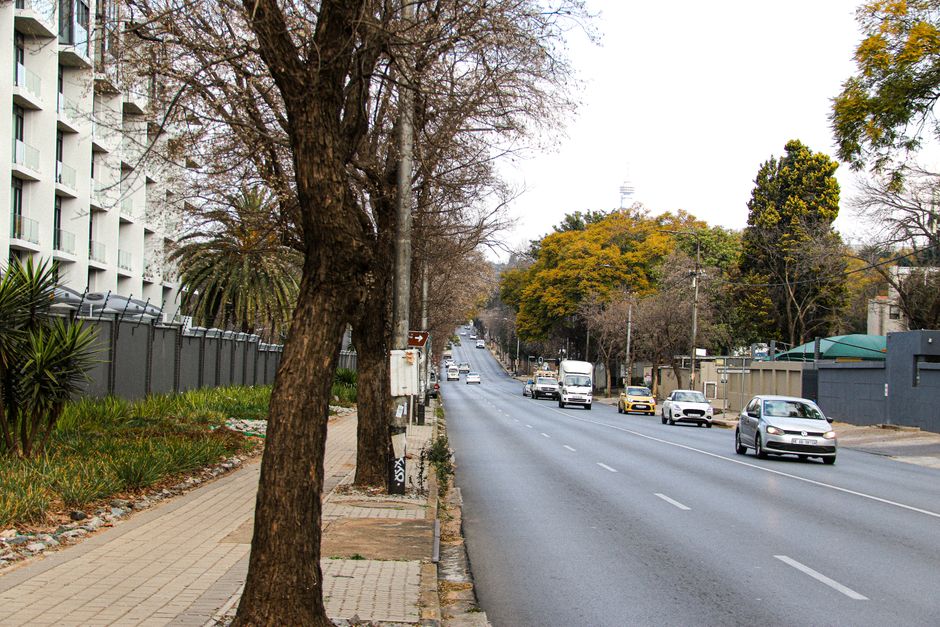
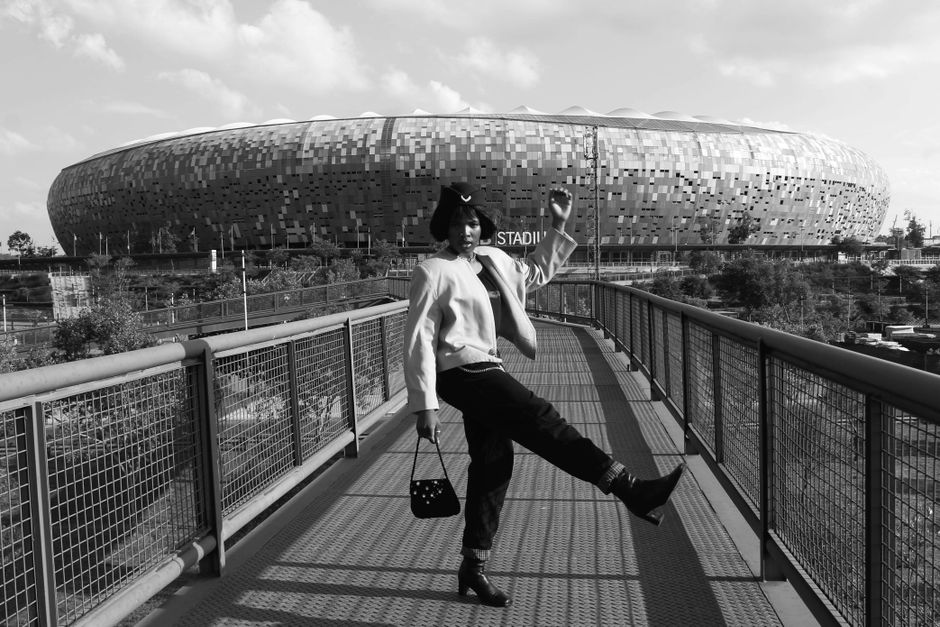
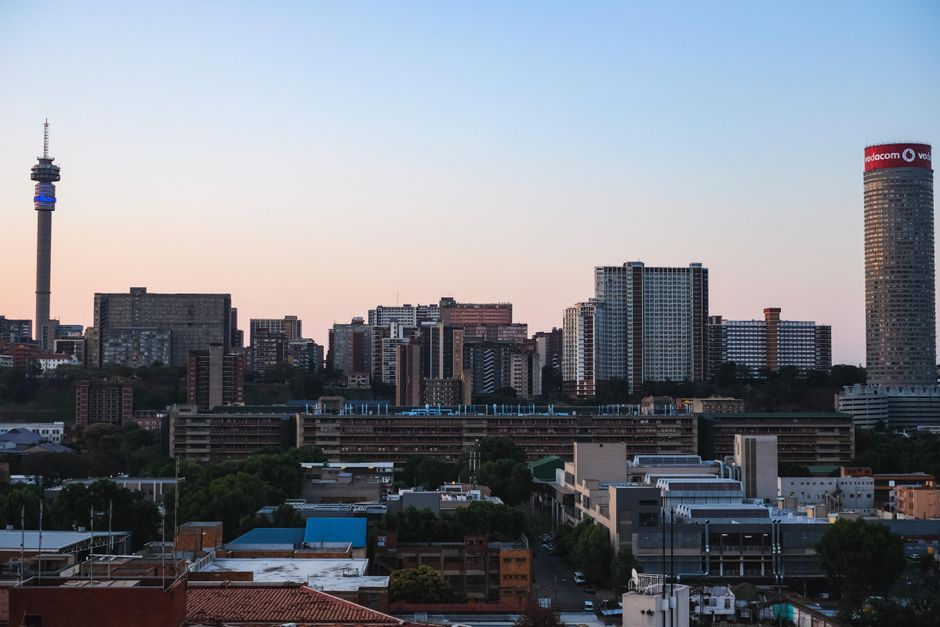
The tremors rippling through global markets and geopolitical flashpoints are landing squarely in Johannesburg's tourism ecosystem. Hotel occupancy rates in the Sandton and Braamfontein precincts have slipped to 68% this quarter—down from 76% the same period last year—as international travellers reassess their travel plans amid broader uncertainty.
"We're seeing fewer bookings from North American and European markets," says a spokesperson for the Johannesburg Tourism Company. "Visitors are consolidating trips or delaying travel entirely. That has a cascading effect on everything from conference centres to restaurants to retail."
The impact is tangible on the ground. The Nelson Mandela Square precinct in Sandton, traditionally bustling with international visitors, reports softer foot traffic through its luxury retail offerings. Mid-range guesthouses in Maboneng, which have thrived on the influx of leisure and business travellers over the past five years, are offering promotional rates—a sign of competitive pressure unseen since the pandemic recovery.
But the story is more nuanced than simple decline. While some sectors struggle, others are repositioning. South African tourism operators are reporting increased domestic bookings as local travellers shift spending from international destinations to domestic experiences. The Apartheid Museum, the Maropeng Visitor Centre, and the Cradle of Humankind sites are seeing steady local visitor numbers, offsetting some international losses.
Small business owners in the hospitality supply chain are adjusting quickly. Restaurant suppliers on Fox Street and in the Braamfontein corridor are reporting slower wholesale orders but are pivoting toward local catering contracts and corporate team-building events—segments less dependent on international visitor flows.
The currency environment adds another layer. The rand's volatility against the dollar makes South Africa objectively cheaper for international visitors, yet consumer uncertainty in source markets is trumping price advantages. Airlines have responded by adjusting flight frequencies and capacity on certain routes.
Industry observers suggest the current period will test agility and force genuine innovation. Hotels are investing in conference and events infrastructure—sectors with longer booking horizons and less geopolitical sensitivity. Meanwhile, tourism operators are increasingly marketing experiences rooted in South African stories rather than relying solely on bucket-list appeal.
"This isn't a crisis—it's a reset," says one local hospitality consultant. "The businesses adapting fastest are those treating this as an opportunity to deepen local partnerships and diversify revenue streams rather than waiting for international tourism to snap back."
This article was compiled by AI from the sources linked above and screened before publishing. See our editorial standards.
How does this story make you feel?
Spread the word
About this article
Published by The Daily Johannesburg
Daily brief
Free, in your inbox before 7am. Weekdays.
More in Business