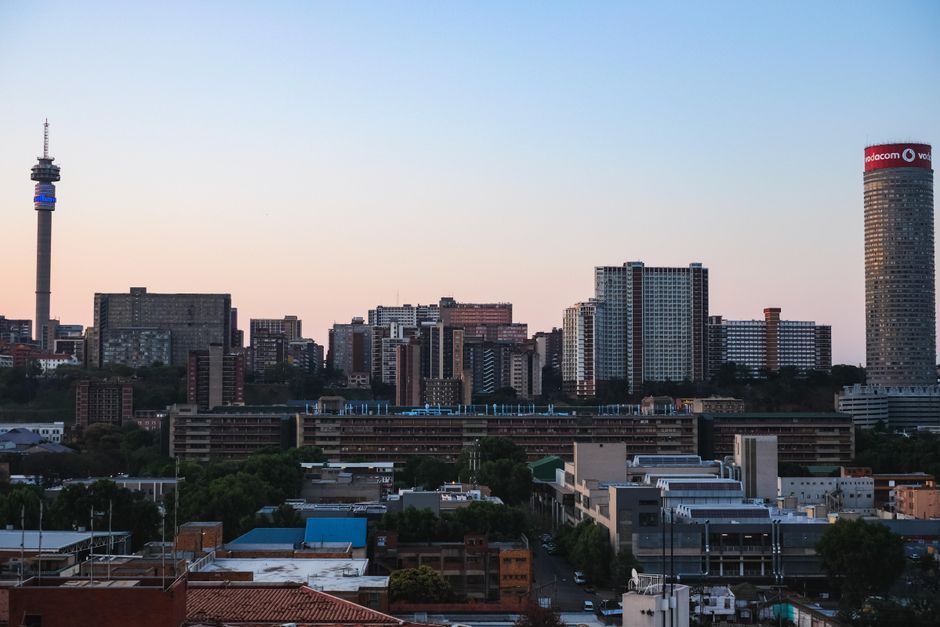
Wandering through the gleaming office parks of Sandton these days reveals a city at an inflection point. While Johannesburg's business district remains Africa's financial powerhouse, the global backdrop—political tensions in the Middle East, Venezuelan instability affecting commodities markets, and escalating trade uncertainties—is creating a more fragile employment landscape than many realised.
The numbers tell the story. Over the past eight months, recruitment agencies operating along the Paulshof corridor report a 23% decline in permanent placements compared to the same period last year, according to industry surveys. Temporary contract work, by contrast, has surged. Companies are hedging bets.
The mining sector, which anchors much of Johannesburg's economic foundation, faces particular pressure. International gold prices remain volatile, and geopolitical risk premiums have made capital expensive. One of the city's largest engineering firms, based in Rosebank, quietly restructured its exploration division earlier this year, affecting roughly 150 mid-level positions. Similar tremors have rippled through supply chain operations across Bryanston and Midrand.
Tech and financial services—traditionally Johannesburg's growth engines—show mixed signals. Some multinationals are accelerating regional hub investments here, viewing South Africa as a stable African base amid broader continent uncertainties. Yet others are consolidating, pulling back on expansion plans that seemed certain twelve months ago. A senior recruiter at a Sandton-based firm noted that C-suite decisions are now dominated by risk mitigation rather than growth acceleration.
The manufacturing and logistics sectors reveal deeper complexity. Disrupted shipping routes and sanctions-related complications affecting trade have made inventory management unpredictable. Some businesses are nearshoring operations or diversifying suppliers away from geopolitically sensitive regions, creating new operational roles—but often requiring different skill sets than those currently abundant in the market.
Real wages tell another story. While nominal salaries have held relatively steady in professional services, the cost of living in prime areas like Illovo and Morningside has outpaced income growth. Entry-level professionals are increasingly seeking opportunities outside Johannesburg or negotiating remote arrangements, creating a subtle but significant talent drain.
For job seekers navigating this environment, diversification matters. Workers with skills spanning multiple sectors—those combining technical expertise with understanding of global supply chain dynamics, for instance—command premiums. Conversely, those in niche roles dependent on stable global conditions face heightened uncertainty.
The takeaway for Johannesburg's business community is stark: local employment trends are no longer decoupled from international events. Companies that build adaptive, flexible workforces will weather volatility better than those betting on pre-2020 stability assumptions. The city's resilience now depends on how nimble its employers can become.
This article was compiled by AI from the sources linked above and screened before publishing. See our editorial standards.