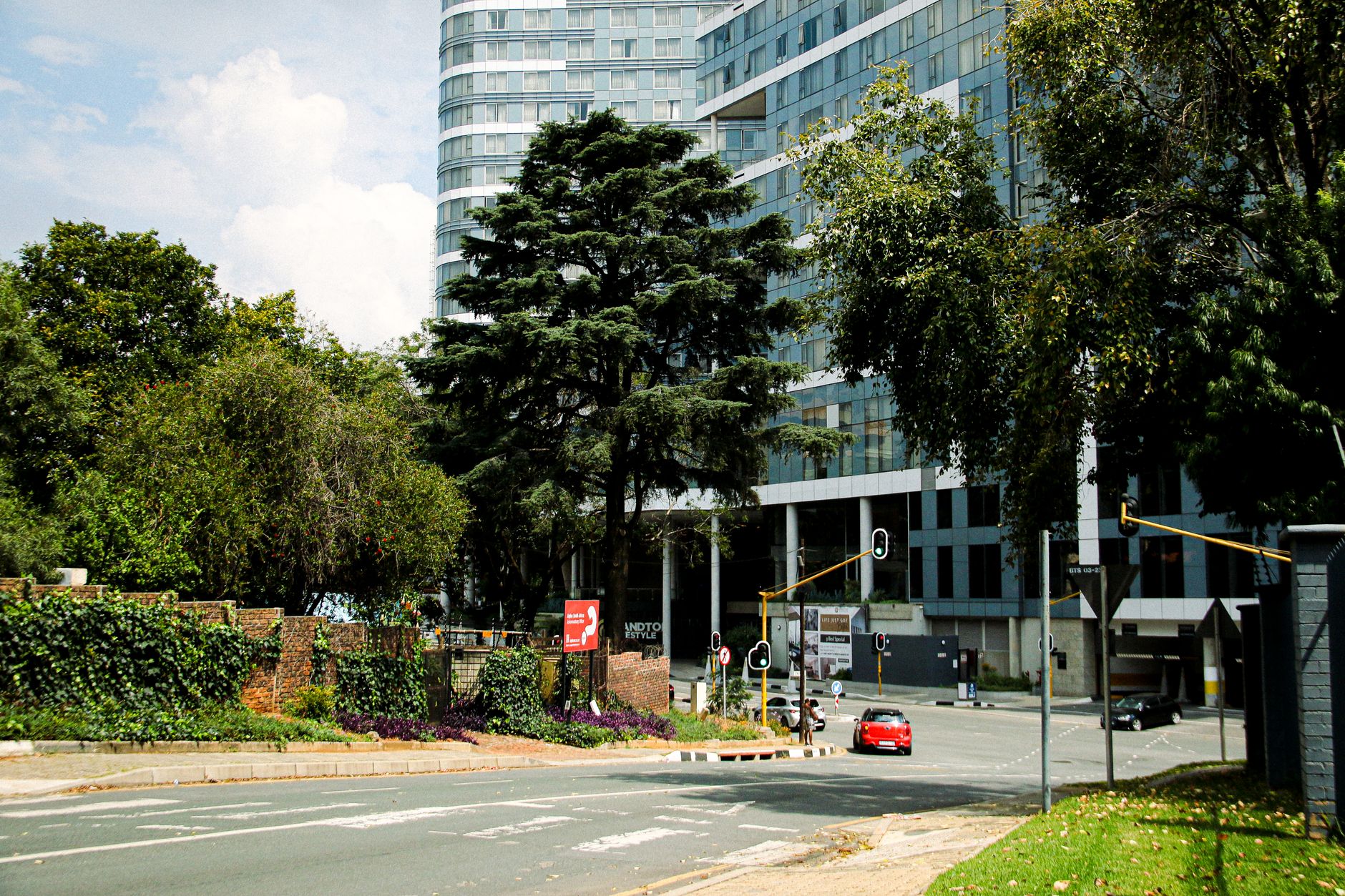
Small Business Owners Race to Adapt as Johannesburg's Market Shifts Into Uncertain Territory
Rising input costs and shifting consumer behaviour are forcing entrepreneurs across the city to rethink pricing, supply chains and digital strategy.
Rising input costs and shifting consumer behaviour are forcing entrepreneurs across the city to rethink pricing, supply chains and digital strategy.

From the craft workshops of Braamfontein to the retail strips along Sandton Drive, small business owners across Johannesburg are navigating a market landscape that has fundamentally changed in the past eighteen months. Input costs remain elevated, consumer spending patterns have fragmented, and the pressure to digitise operations is no longer optional—it's survival.
Data from the Johannesburg Chamber of Commerce and Industry suggests that 64% of small to medium enterprises reported increased operating costs in the first quarter of 2026, driven primarily by logistics, electricity, and raw material expenses. For manufacturers and wholesalers operating from the Linbro Business Park corridor, the pressure is acute. One consistent refrain from business owners: margins are tightening faster than revenue is growing.
The retail sector tells a particularly complex story. While foot traffic in traditional shopping districts like Bryanston and Rosebank has stabilised, consumer behaviour has splintered. Upper-income customers are consolidating purchases and seeking premium, locally-made goods. Lower-income segments are gravitating toward discount outlets and online marketplaces. The middle has become a contested battleground.
Digital adoption is no longer a competitive advantage—it's a prerequisite. Businesses without e-commerce capability or social media presence are reporting 15-20% revenue declines year-on-year. Platforms like WhatsApp Business, Shopify, and local payment gateways have become standard infrastructure. Yet many entrepreneurs, particularly those operating family-run enterprises in areas like Fordsburg and Parkhurst, lack the capital or technical expertise to implement these tools effectively.
Supply chain resilience has emerged as a critical concern. Local manufacturers are increasingly looking to source inputs domestically rather than importing, a shift driven by currency volatility and port congestion. This creates both opportunity and cost pressure. Businesses that can establish reliable local supplier relationships—particularly in sectors like food production, textiles, and packaging—are gaining competitive advantage.
The Johannesburg property market is also reshaping business strategy. Rental costs in premium zones remain prohibitive, pushing entrepreneurs toward emerging nodes like Maboneng and areas along the Corridor of Freedom. Hot-desking facilities and shared office spaces are proliferating, offering flexibility that traditional leasing cannot.
Experts advise business owners to focus on three priorities: ruthlessly audit your supply chain for inefficiencies, invest modestly but decisively in digital channels, and build community-based customer loyalty programs. The market will reward adaptability, not complacency. For Johannesburg's entrepreneurs, the next twelve months will determine which businesses thrive and which become cautionary tales.
This article was compiled by AI from the sources linked above and screened before publishing. See our editorial standards.
How does this story make you feel?
Spread the word
About this article
Published by The Daily Johannesburg
Daily brief
Free, in your inbox before 7am. Weekdays.
More in Business