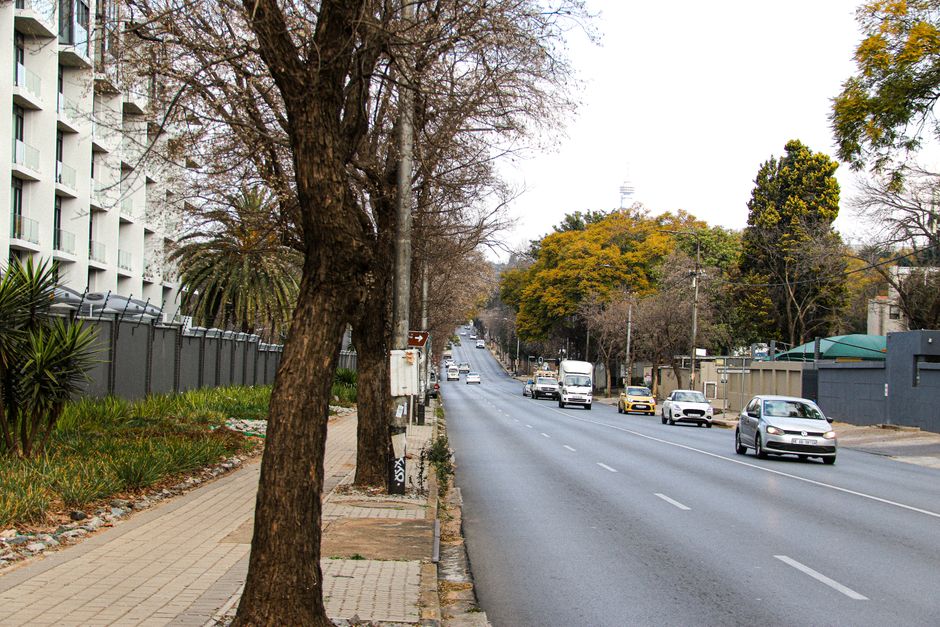
Johannesburg's startup ecosystem is no longer a scrappy underdog narrative. Walk down Fox Street in Maboneng on any weekday afternoon and you'll see what the city's talent revolution looks like: co-working spaces packed with engineers, designers, and entrepreneurs; coffee shops doubling as impromptu pitch meetings; billboard advertisements for software developer roles offering competitive remuneration that rival the banks of Sandton.
This shift is tangible. According to recent data from local recruitment firm TrueAfrica, tech-focused job postings in Johannesburg's emerging innovation districts increased by 43% year-on-year through the first half of 2026. More significantly, average starting salaries for junior developers in Maboneng and the surrounding Design District now sit between R280,000 and R350,000 annually—undercutting Johannesburg's traditional financial services sector by just 8% to 12%, a margin that would have been unthinkable five years ago.
The geographic redistribution is reshaping where ambitious professionals want to work. The Inner City rejuvenation strategy, anchored around precincts like Arts on Main and the Maboneng Precinct, has attracted over 200 registered tech startups since 2023. Nearby, the Bruma Lake Innovation Hub and the growing developer community around Fourways have created a geographic spread that's decentralizing job creation from the traditional Sandton-Rosebank axis.
Real estate tells the story too. Office space in Maboneng now commands R180 to R220 per square meter monthly—substantially higher than five years ago—but still 35% cheaper than equivalent space in Sandton's corporate parks. For startups scaling rapidly, the math favors the Inner City, and that capital allocation directly translates into hiring capacity.
The broader labor market implications are profound. Young professionals, particularly those aged 25 to 35, increasingly view startup experience as a credential equal to corporate tenure. This has pressured established financial services firms and professional services companies to accelerate their own innovation initiatives and, in some cases, compete more aggressively on non-salary benefits. Several major corporates have opened dedicated innovation labs in proximity to innovation districts—a defensive move designed to retain talent.
Education providers have noticed. The University of the Witwatersrand and Johannesburg-based coding bootcamps report surging enrollment in software development and data science programmes, with many students explicitly targeting startup employment.
For Johannesburg's economic strategists, the emergence of a genuine, geographically distributed innovation ecosystem represents a potential counter-weight to the city's historic over-reliance on financial services and mining-adjacent industries. Whether this momentum sustains will depend partly on access to venture capital—still concentrated in Cape Town and limited in Johannesburg—and on whether the Inner City's infrastructure and security challenges can be resolved without displacing the creative communities driving the boom.
This article was compiled by AI from the sources linked above and screened before publishing. See our editorial standards.