Johannesburg's Office Market Faces Perfect Storm of Headwinds in 2026
Rising vacancy rates, hybrid work shifts and economic uncertainty are forcing commercial property owners across the CBD and northern suburbs to rethink their strategies.
Rising vacancy rates, hybrid work shifts and economic uncertainty are forcing commercial property owners across the CBD and northern suburbs to rethink their strategies.
Johannesburg's commercial property sector is navigating treacherous waters this year, as a confluence of structural shifts and economic pressures reshapes demand for traditional office space across the city's business districts.
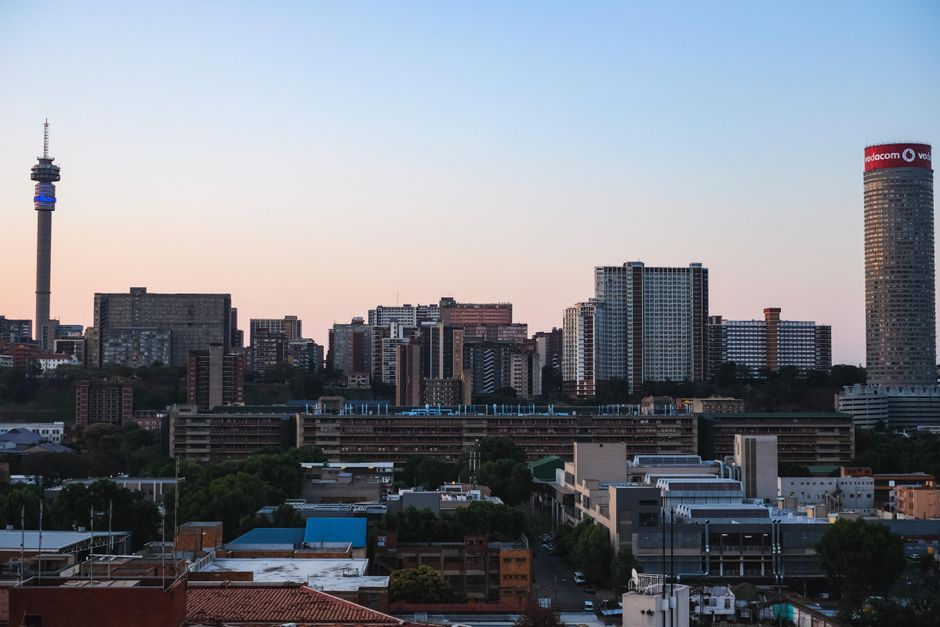
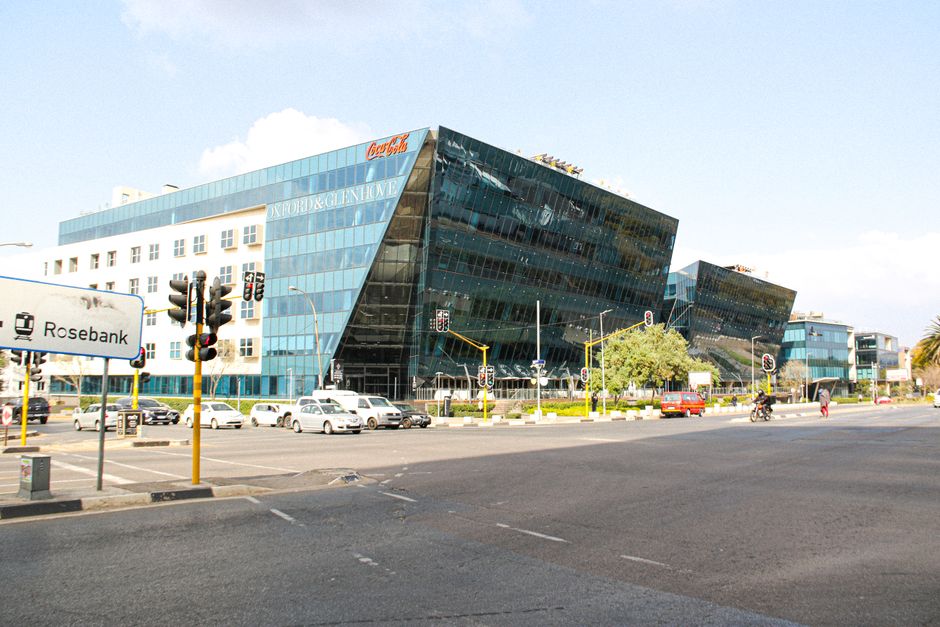
The trend is most visible in the Sandton and Rosebank corridors, where premium office vacancy rates have climbed to levels not seen since the post-2008 financial crisis. Real estate professionals report that Grade A office space in the Sandton CBD, once commanding rents of R280 to R320 per square metre annually, now faces downward pressure as multinational corporations and financial services firms embrace permanent hybrid arrangements. The pullback is equally pronounced in the Johannesburg CBD's older commercial strips, where office occupancy has deteriorated further as companies reassess their real estate footprint.
The challenges run deeper than remote work trends. Foreign direct investment slowdown, subdued local economic growth, and persistent electricity constraints have dampened corporate expansion plans. Major tenants who traditionally anchored office parks—financial institutions, consulting firms, and technology companies—are consolidating rather than expanding. Several large firms have consolidated operations across multiple Johannesburg locations into single campuses, reducing overall demand.
Meanwhile, property owners face mounting operational costs. Municipal rates and taxes continue climbing, while load-shedding forces building managers to invest heavily in backup power infrastructure. These costs are increasingly difficult to pass on to tenants in a soft leasing environment. Older buildings—particularly those in the CBD's lower-grade stock—struggle most acutely, as capital-intensive upgrades needed for climate control and security improvements compete for investment dollars amid reduced rental income.
The shift towards mixed-use developments and flexible workspaces represents both challenge and opportunity. While traditional corporate tenancy weakens, some property developers are repositioning assets in precincts like Braamfontein and the Maboneng Quarter, converting underutilised office stock into residential, retail and co-working combinations. Yet conversion costs are substantial, and market appetite remains uncertain.
Commercial agents report that owner-occupier transactions have slowed considerably this year, with many businesses preferring to lease shorter terms rather than commit capital to property purchases. Sale prices for office buildings have softened accordingly, though yields remain compressed for most investors.
For property owners and investors, the immediate outlook demands pragmatism: maintaining competitive positioning will require active asset management, strategic repositioning where possible, and realistic pricing expectations. The Johannesburg office market's golden era of consistent rental growth and tight vacancy rates appears definitively behind it—at least for now.
This article was compiled by AI from the sources linked above and screened before publishing. See our editorial standards.
How does this story make you feel?
Spread the word
About this article
Published by The Daily Johannesburg
Daily brief
Free, in your inbox before 7am. Weekdays.
More in Business