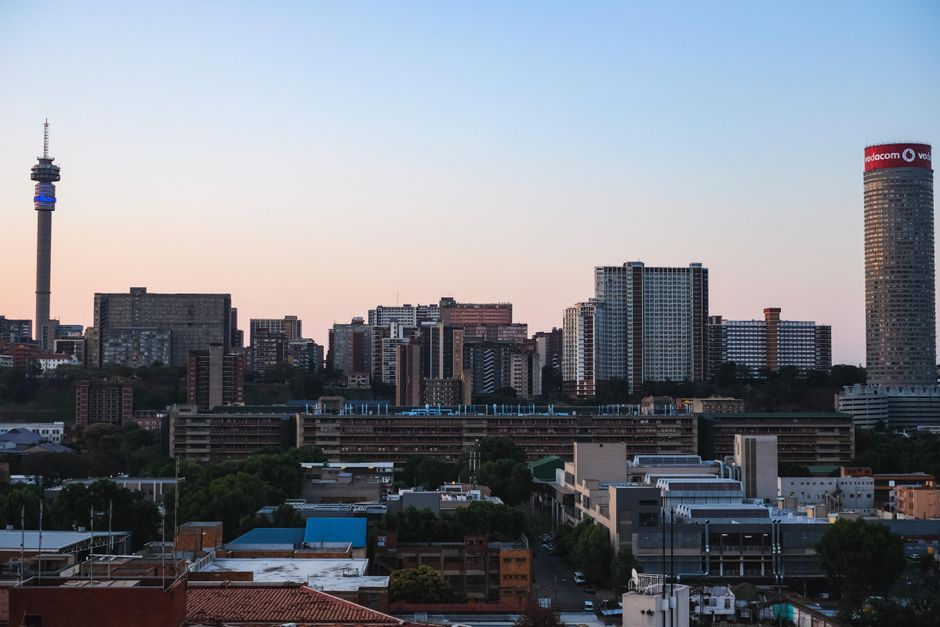
The corner office in a gleaming Sandton tower, once the ultimate status symbol for Johannesburg's ambitious professionals, is becoming a relic. Over the past 18 months, a seismic shift in commercial property demand has fractured the city's traditional job market, with knock-on effects that ripple far beyond property valuations.
The numbers tell a stark story. Prime Grade-A office space in the Sandton CBD has seen rental rates decline by up to 15 percent year-on-year, while vacancy rates hover around 18 percent—a two-decade high. Simultaneously, satellite nodes in areas like Rosebank, Bryanston, and even emerging tech corridors in Johannesburg's northern suburbs are experiencing a resurgence. Companies from financial services to software development are decentralising, creating what urban economists call the "dispersed workplace."
This migration is turbocharged by three converging forces: persistent load-shedding that makes sprawling Sandton complexes expensive to operate; the normalisation of hybrid and remote work post-pandemic; and a younger generation of talent unwilling to endure gruelling commutes from residential areas like Soweto, Alexandra, and the East Rand.
"We're seeing talent pools reshape themselves organically," explains the reasoning behind several major recruitment drives now anchored in secondary nodes. When a financial services firm relocates its operations team to Bryanston rather than Sandton, it suddenly becomes competitive for employees in Midrand and Sunninghill who previously wouldn't commute 45 minutes daily. The geography of opportunity is decoupling from prestige postcodes.
The implications for Johannesburg's broader labour market are profound. Historically, Sandton's dominance created a single-point-of-failure dynamic—talent concentrated where premium offices clustered. Younger professionals felt compelled to secure roles in the CBD or risk missing out. Today, that pressure is lifting. A software developer in Bryanston, a junior accountant in the Rosebank precinct, or a marketing manager in a suburban co-working space can now access equivalent opportunities without the financial or temporal burden of Sandton's pull.
Yet this democratisation masks deeper inequalities. While educated professionals benefit from distributed employment nodes, low-wage sectors reliant on Sandton's office footfall—security, cleaning, catering, transportation—face contracted demand. Small suppliers and informal traders that historically served the CBD are scrambling to reposition.
For Johannesburg's future competitiveness, the stakes are high. A fragmented office market could dilute the city's magnetic appeal for multinational talent recruitment. But it could equally foster more resilient, geographically balanced growth—if properly managed. The next five years will determine whether this dispersal strengthens or weakens the city's grip on southern Africa's top talent.
This article was compiled by AI from the sources linked above and screened before publishing. See our editorial standards.