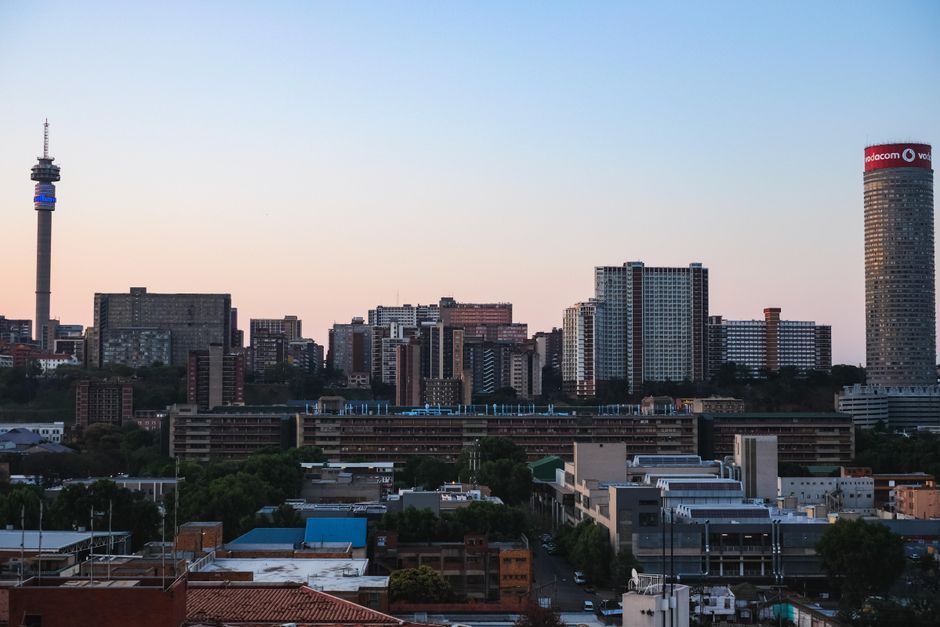
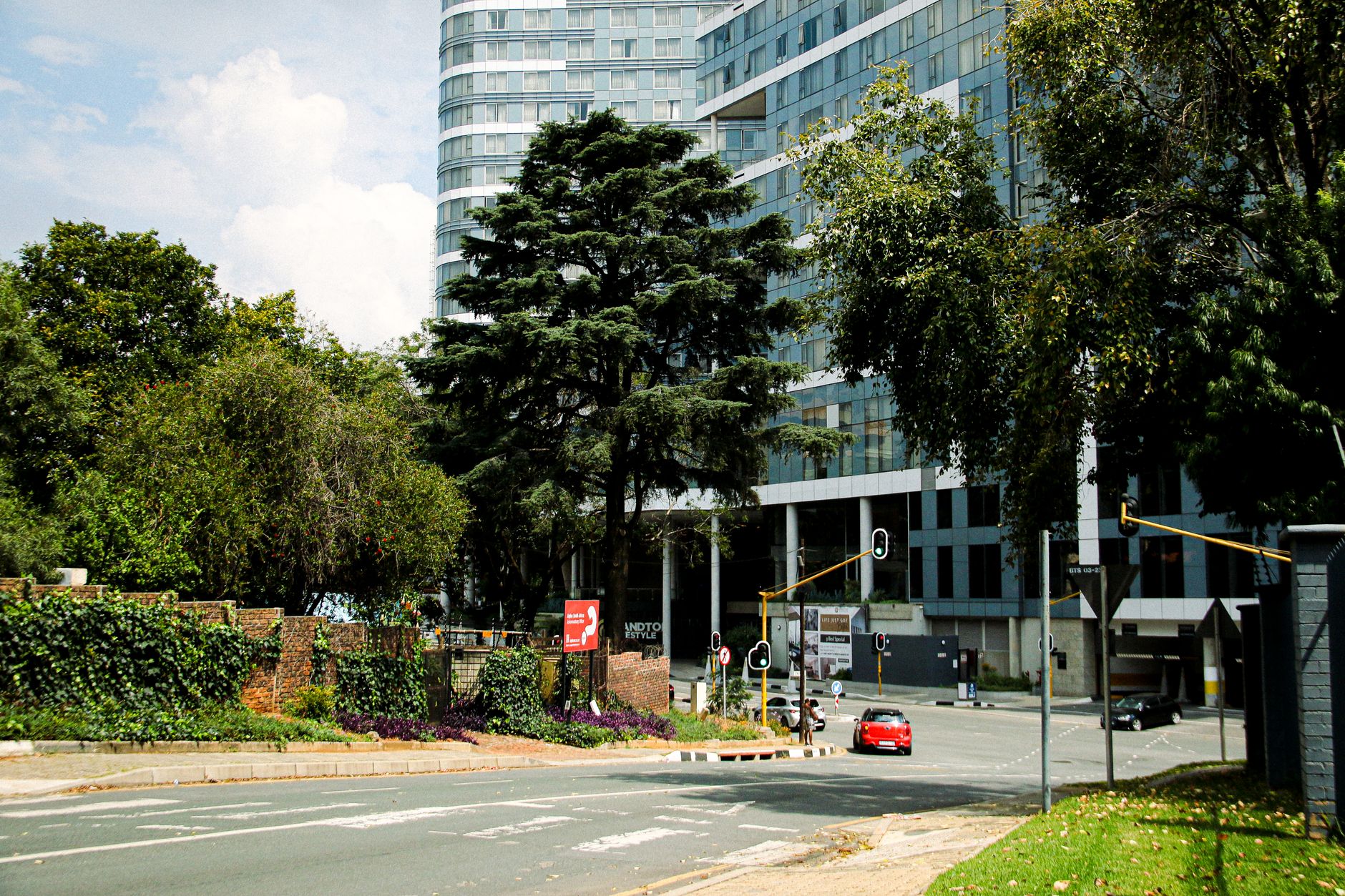
The coffee at Cupping Room in Braamfontein tastes the same, but conversations among Johannesburg's business leaders have shifted noticeably. As international tensions mount—from Middle Eastern standoffs threatening global trade routes to mining sector volatility—local employers are tightening recruitment budgets and reassessing expansion plans in ways that ripple directly through Johannesburg's job market.
"We're seeing significant caution," says a senior human resources consultant based in the Sandton business district, observing that client companies have reduced graduate intake by an average of 15-20% compared to early 2025. The uncertainty stems partly from global factors beyond South Africa's borders: escalating geopolitical risks in the Middle East, unpredictable currency fluctuations tied to international tensions, and mining commodity price volatility.
For Johannesburg's estimated 4.7 million residents, this translates into concrete challenges. In the financial services hub of the Johannesburg Stock Exchange precinct, several multinational firms have paused new positions. Meanwhile, in the tech corridor around Parktown and parts of Braamfontein, startups previously flush with international venture funding are extending hiring timelines by quarters.
The manufacturing sector—crucial to Johannesburg's industrial base—faces particular pressure. Global supply chain disruptions linked to international geopolitical instability have forced local producers to reduce shifts and defer capital investments. Companies along the industrial axis toward Germiston are managing reduced order books, directly affecting both direct employment and contractor networks.
Yet the picture isn't uniformly bleak. Green energy and renewable technology sectors are experiencing buoyant demand, partly because international climate commitments remain resilient even amid geopolitical turbulence. Infrastructure development projects, supported by government initiatives, continue generating employment in construction and engineering disciplines across the greater Johannesburg metropolitan area.
Wage expectations are also shifting. Entry-level positions in Johannesburg's CBD now command slightly lower salaries than mid-2024, with many employers citing global economic headwinds as justification. Graduate starting salaries have contracted approximately 5-8% year-on-year in several sectors, though senior technical roles remain competitive.
The broader message from Johannesburg's business community is clear: local hiring decisions increasingly depend on global circumstances far removed from the Limpopo River. Companies are no longer recruiting in isolation—they're calibrating decisions against international risk assessments, commodity markets, and geopolitical developments that their executive teams monitor obsessively.
For job seekers navigating Johannesburg's increasingly complex employment landscape, understanding these international currents has become as essential as understanding local market conditions.
This article was compiled by AI from the sources linked above and screened before publishing. See our editorial standards.