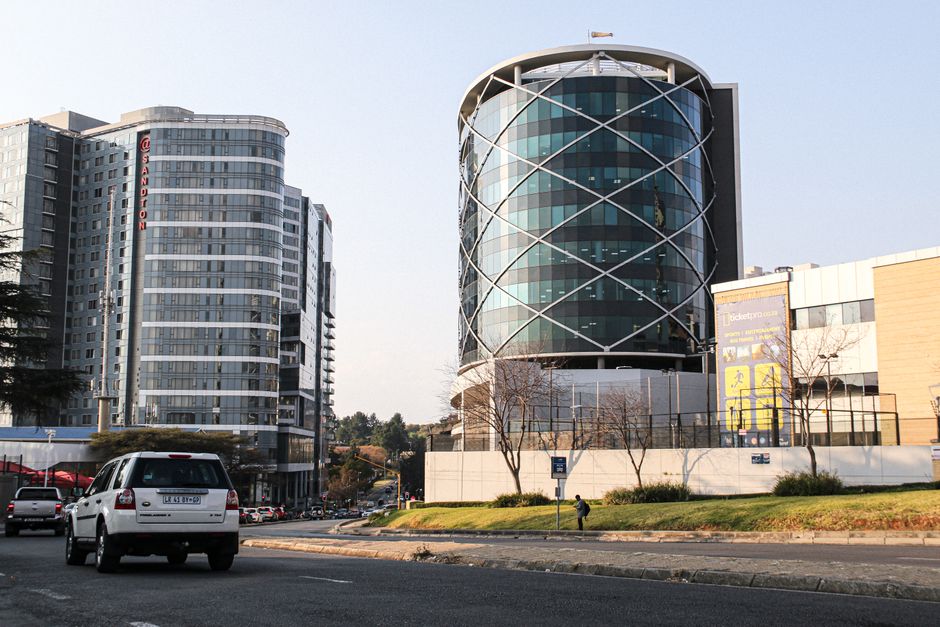
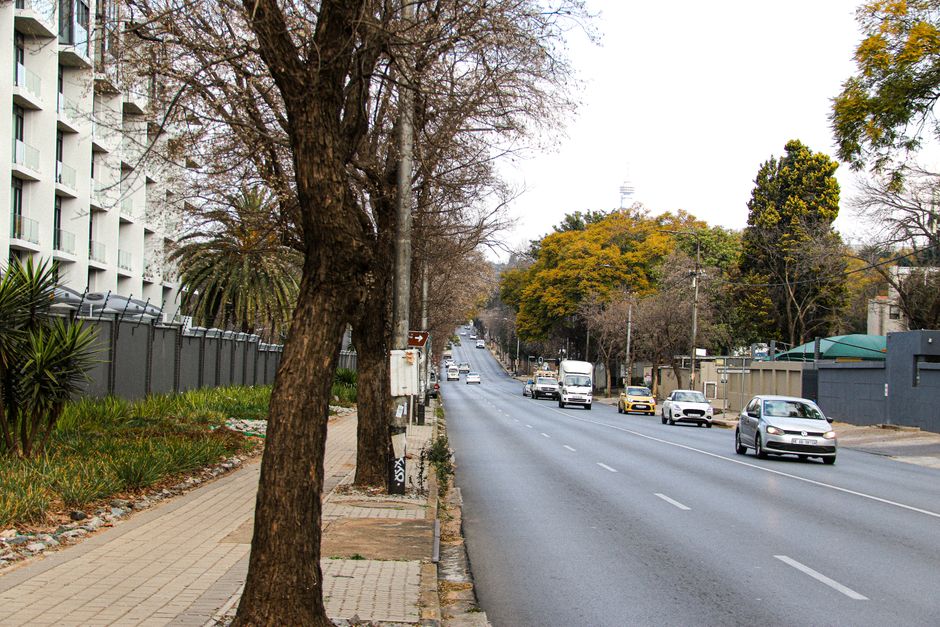
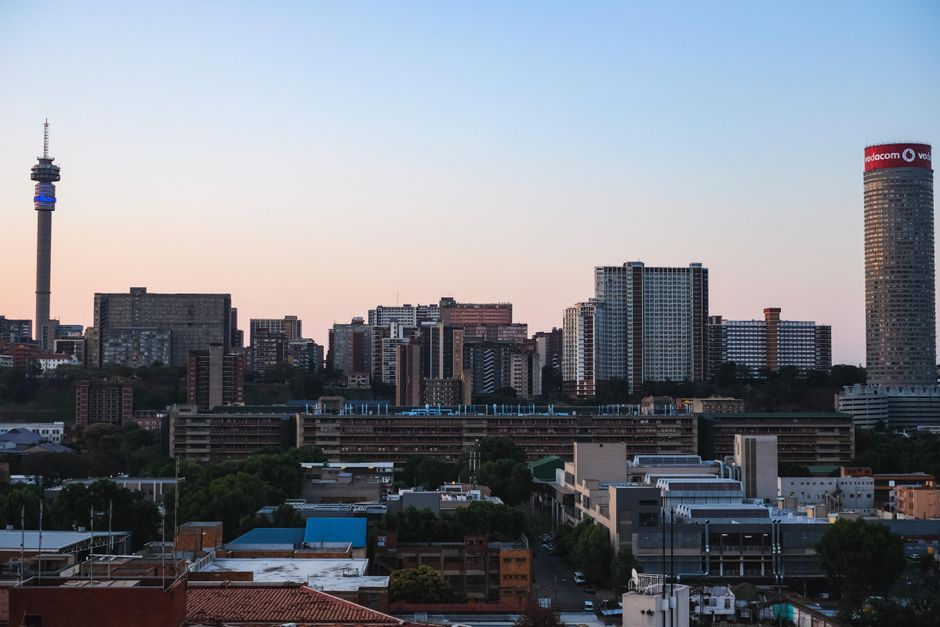
Walk through the gleaming lobbies of the Sandton office parks or the industrial estates around Isando these days, and you'll sense a palpable unease. Johannesburg's employment landscape, traditionally a beacon for job seekers across Southern Africa, is facing its most challenging year in nearly a decade as a convergence of global and local pressures squeezes employers and threatens livelihoods.
The numbers tell a sobering story. Professional services firms operating from high-rise buildings along Rivonia Road have announced headcount reductions, with some financial advisory houses cutting 15-20% of their workforce. Manufacturing output in the eastern industrial corridor has contracted by 8% year-on-year, forcing businesses from Wadeville to Springs to reassess their staffing models. Meanwhile, retail employment in the Johannesburg CBD and surrounding malls continues its painful decline as e-commerce and reduced consumer spending reshape the sector.
"We're seeing a perfect storm," explains one HR consultant operating from an office park in Braamfontein, who requested anonymity given client sensitivities. The challenges are multifaceted. Global supply chain disruptions continue to hamper manufacturing. Energy costs, exacerbated by persistent load shedding affecting everything from Midrand tech hubs to Soweto townships, have driven operational expenses up by an average of 22% for many employers. Meanwhile, skills mismatches persist—companies struggle to find qualified professionals in critical areas like software development and engineering, even as graduate unemployment remains stubbornly high.
The construction sector, which powered much of Johannesburg's job creation over the past decade, has also cooled dramatically. Major projects have stalled, and smaller contractors around Sandton and Rosebank report delayed payments and reduced contract pipelines. Add to this the rising cost of doing business—from commercial rents in the CBD to wage pressures—and many employers are opting for automation or outsourcing rather than hiring.
For job seekers, the implications are stark. Competition for available positions has intensified markedly. Recruitment agencies report that entry-level candidates now face competition five times greater than two years ago. Even experienced professionals find themselves navigating longer interview processes and more stringent salary negotiations.
Yet it's not all bleak. Technology sectors, particularly in areas like cybersecurity and artificial intelligence, continue to recruit. Healthcare and logistics remain relatively resilient. And some employers are investing in upskilling programmes, recognising that retaining talent remains ultimately cheaper than replacing it.
As Johannesburg heads into the second half of 2026, the employment outlook hinges on whether the city's traditionally resilient business community can weather these headwinds—or whether further shocks lie ahead.
This article was compiled by AI from the sources linked above and screened before publishing. See our editorial standards.