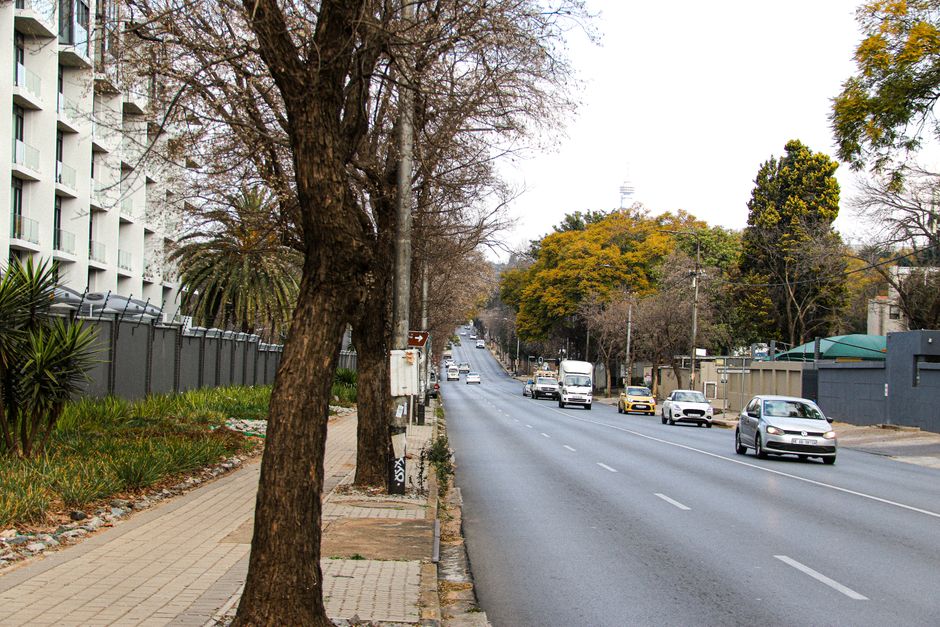
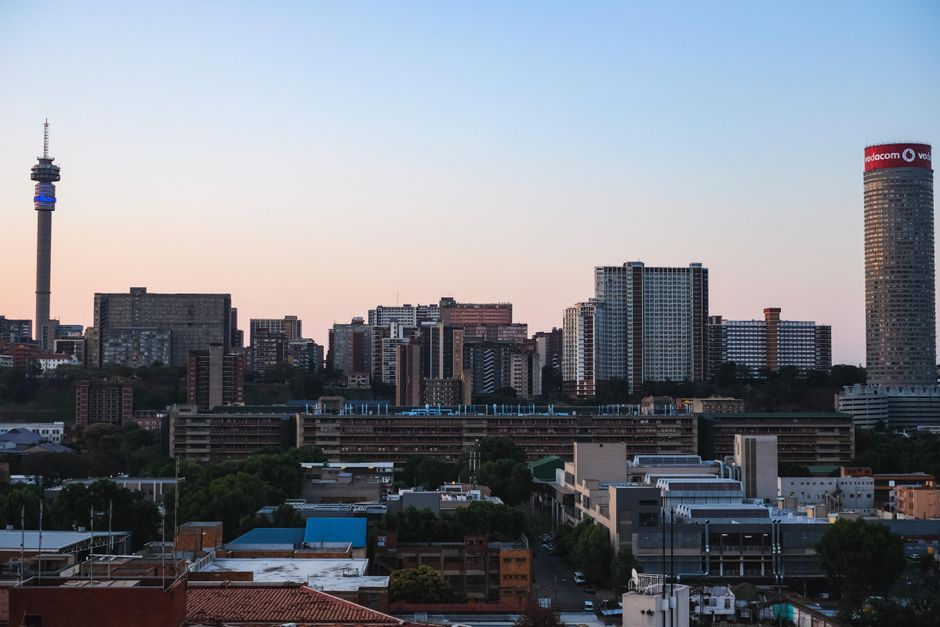
The gleaming office parks of Sandton and the converted warehouses of Maboneng that once symbolised Johannesburg's tech ascendancy are facing headwinds that threaten to dampen the city's innovation credentials mid-year.
What began as a promising 2026 for South Africa's startup ecosystem has given way to sobering realities. Rising operational costs—office space in the Johannesburg Innovation District now commands premium rates exceeding R200 per square metre monthly—combined with a weakening rand and capital flight are creating a perfect storm for entrepreneurs already operating on thin margins.
"We're seeing founders make difficult decisions," notes the mood among venture capital participants tracking the sector. Several early-stage companies launched from innovation hubs in areas like Braamfontein and around the Wits University precinct have begun exploring relocation to lower-cost jurisdictions or pivoting toward remote-first models that sideline Johannesburg's physical infrastructure advantages.
The talent retention crisis compounds these challenges. Tech professionals command premium salaries that have become increasingly unaffordable for bootstrapped startups. Many developers and engineers are now exploring opportunities in more stable currency zones, creating a brain drain that threatens the collaborative advantage that drew innovators to Johannesburg's ecosystem in the first place.
Funding dynamics have shifted markedly. Venture capital deployed into South African startups has contracted as global investors reassess risk appetites amid international volatility. Local angel investors, traditionally crucial for seed-stage support, report increased caution. The mid-year funding gap is now a critical vulnerability for companies seeking Series A rounds—precisely the juncture where many promising ventures require acceleration capital.
Infrastructure challenges persist too. Loadshedding continues to disrupt operations in Johannesburg's business districts, forcing startups to invest in backup power solutions—an unexpected cost burden that erodes already-constrained budgets. Internet reliability, once a competitive advantage in areas like the Johannesburg Innovation District, faces pressure during peak demand periods.
Yet the ecosystem shows resilience. Community spaces and incubators continue operating, and peer networks in Braamfontein and surrounds remain active. Some founders are leaning into hyperlocal problem-solving, building products tailored to South African market peculiarities rather than pursuing global scale immediately.
The second half of 2026 will likely prove decisive. Whether Johannesburg's startup sector can weather current pressures or whether the city cedes innovation leadership to rivals depends on how quickly stakeholders address cost pressures, talent retention, and capital availability. The moment demands strategic intervention.
This article was compiled by AI from the sources linked above and screened before publishing. See our editorial standards.