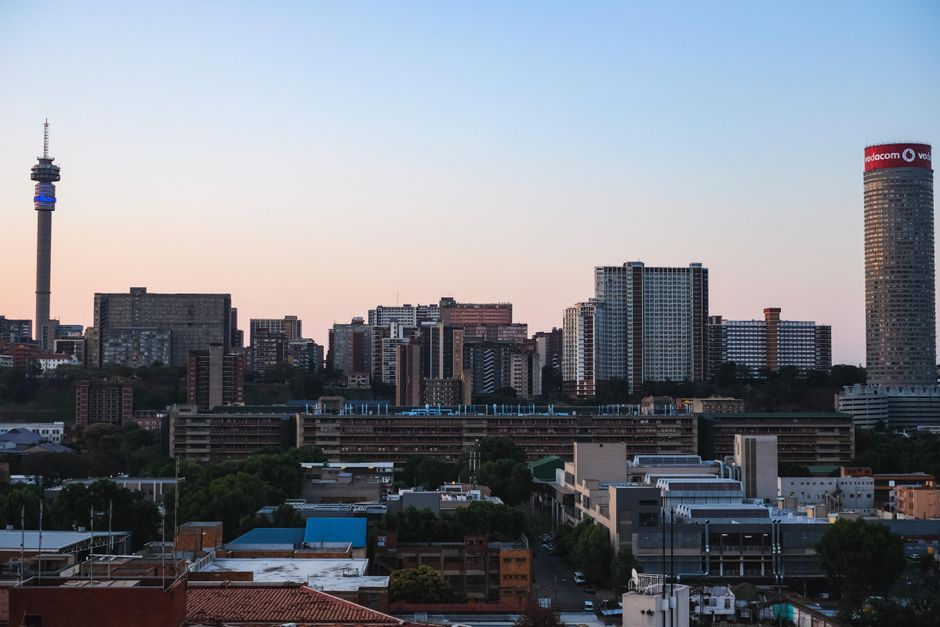
The transformation happening across Johannesburg's innovation corridors—from Sandton's sleek corporate parks to the creative hubs emerging in Maboneng—isn't just news for venture capitalists. It's reshaping how ordinary residents access services, find employment, and spend their money.
Over the past eighteen months, the city has seen a wave of startup activity concentrated around the Gautrain stations and arterial zones. According to recent tech incubator data, Johannesburg now hosts more than 450 active early-stage tech companies, up from around 280 in 2023. That expansion carries real implications for you.
Consider delivery networks. Startups competing to move goods faster across Johannesburg—from Rosebank to Alexandra—have driven down median delivery costs by roughly 18 percent in some neighbourhoods. Consumers ordering groceries or parcels are now seeing same-day options that barely existed two years ago. But this speed comes with a hidden cost: congestion on roads like Jan Smuts Avenue and Sandton Drive, where delivery van traffic has become noticeable during peak hours.
Employment is another story. The startup sector employed approximately 3,200 people directly by early 2026, according to local tech employment surveys. Most earn between R22,000 and R65,000 monthly—competitive rates that have begun pulling talent away from traditional corporate roles. For job-seekers, this means more options and negotiating power, but also fiercer competition requiring digital skills.
The real question residents should be asking: who benefits most? Innovation precincts like those centred around Fourways and the developing Braamfontein tech corridor have primarily attracted young, digitally native workers and higher-income consumers. Meanwhile, outer areas like Soweto and the East Rand have seen fewer direct economic ripples, though ride-hailing and fintech apps born from Joburg's startup ecosystem now operate across those communities.
Property investors have noticed. Commercial space in Sandton's innovation zones now commands up to 12 percent annual premiums. Residential rental rates near tech hubs have climbed correspondingly, potentially pushing out long-time residents.
The municipality and private sector actors face a critical juncture. For Johannesburg's startup momentum to benefit the broader city—not just wealthy enclaves—infrastructure investment, affordable workspace outside prime zones, and intentional skills training programmes will prove essential. The innovation boom is real. But whether it transforms Johannesburg equitably depends on decisions being made right now.
This article was compiled by AI from the sources linked above and screened before publishing. See our editorial standards.