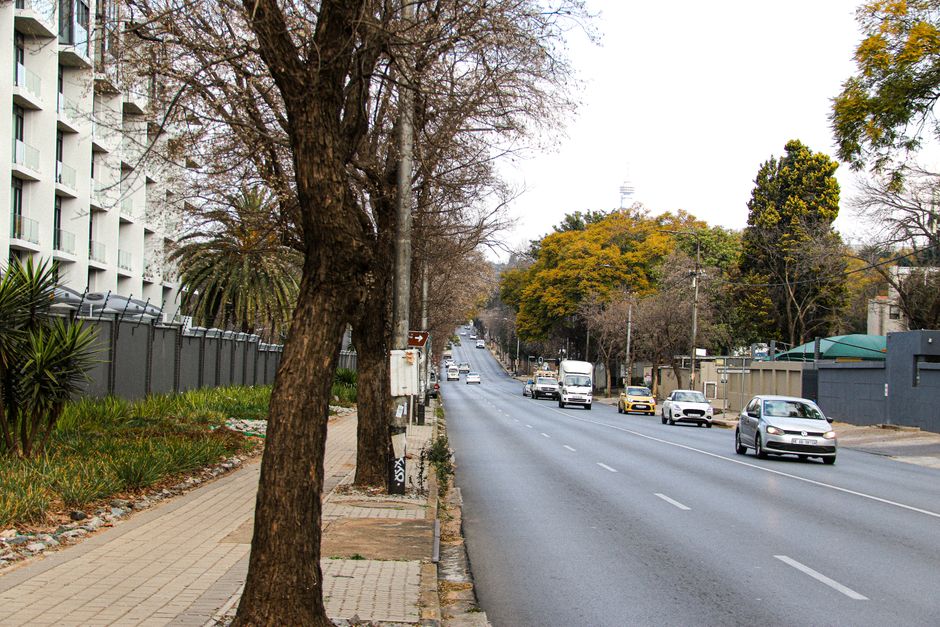
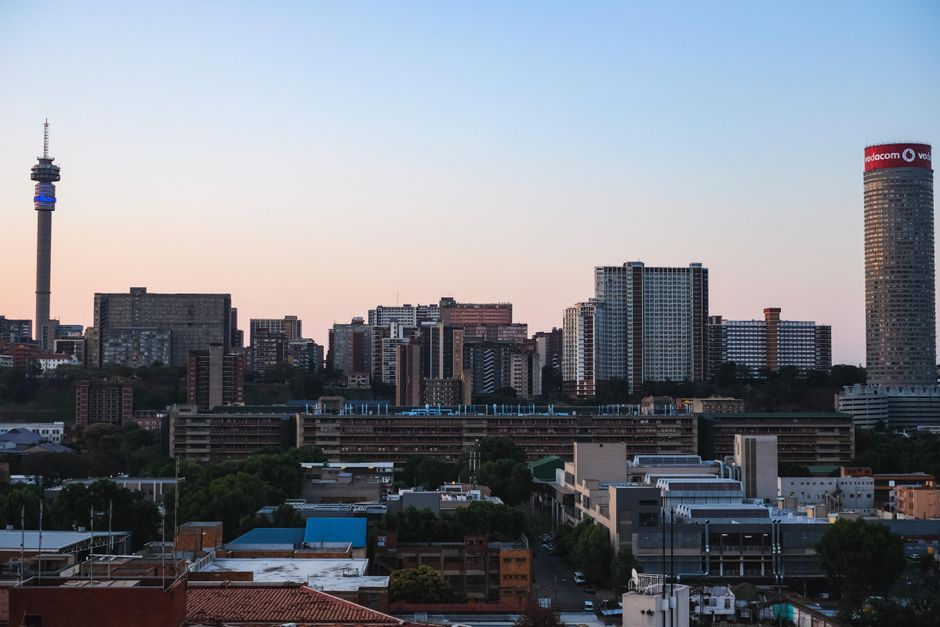
The corridor of glass towers along Sandton City's perimeter tells only half the story of Johannesburg's economic reality in mid-2026. Walk down Claim Street in Braamfontein or through the bustling markets of Soweto, and you'll find small business owners grappling with challenges that extend far beyond their storefronts.
Recent global developments—from escalating Middle East tensions affecting oil prices to African disease outbreaks disrupting supply networks—are creating a cascade of consequences for Johannesburg's entrepreneurs. The ripple effects are immediate and tangible.
Consider the logistics sector. Businesses relying on international shipping, particularly those importing manufacturing components or consumer goods, are facing freight costs that have surged roughly 23% over the past quarter, according to local freight operators. A Sandton-based e-commerce supplier reported that container costs from Shanghai to Durban have climbed from $4,200 to $5,180—costs ultimately passed to customers or absorbed as margin losses.
Currency volatility compounds these pressures. The rand's fluctuation against the dollar, intensified by global economic uncertainty, has made forward planning nearly impossible for importers. Small manufacturing businesses in the Johannesburg industrial areas are delaying equipment purchases and holding larger cash reserves than usual—capital that could otherwise fuel growth.
Yet some entrepreneurs are seizing opportunity within chaos. A growing cohort of Johannesburg-based businesses are pivoting toward local sourcing and regional supply chains. Several fashion and craft producers operating from hubs like the Maboneng Precinct and surrounding neighbourhoods report increased demand as consumers and retailers prioritise supporting local alternatives to volatile international suppliers.
The energy sector tells another story. Load-shedding—now a permanent feature of South Africa's landscape—has forced small business owners to invest heavily in alternative power solutions. A survey of 150 businesses in Johannesburg's CBD found that 64% have installed solar or backup generators, with costs ranging from R80,000 to R400,000 depending on operational scale. These become fixed expenses that didn't exist two years ago.
Tourism and hospitality remain volatile. Global travel uncertainty has dampened bookings at boutique hotels and restaurants across Fourways, Melville, and the inner city, though domestic tourism has partially compensated.
The lesson emerging from Johannesburg's entrepreneurial community is adaptation as necessity. Those diversifying revenue streams, investing in domestic supply chains, and maintaining flexible cost structures are navigating this period most successfully. For most, the question isn't whether global instability matters—it's how quickly they can transform it into strategic advantage.
This article was compiled by AI from the sources linked above and screened before publishing. See our editorial standards.