As petrol prices near R22 per litre and a loaf of bread costs more than R15 in many Johannesburg suburbs, a curious paradox is unfolding: the cost-of-living crisis that's squeezing household budgets is simultaneously creating lucrative opportunities for investors and financial service providers who've positioned themselves correctly.
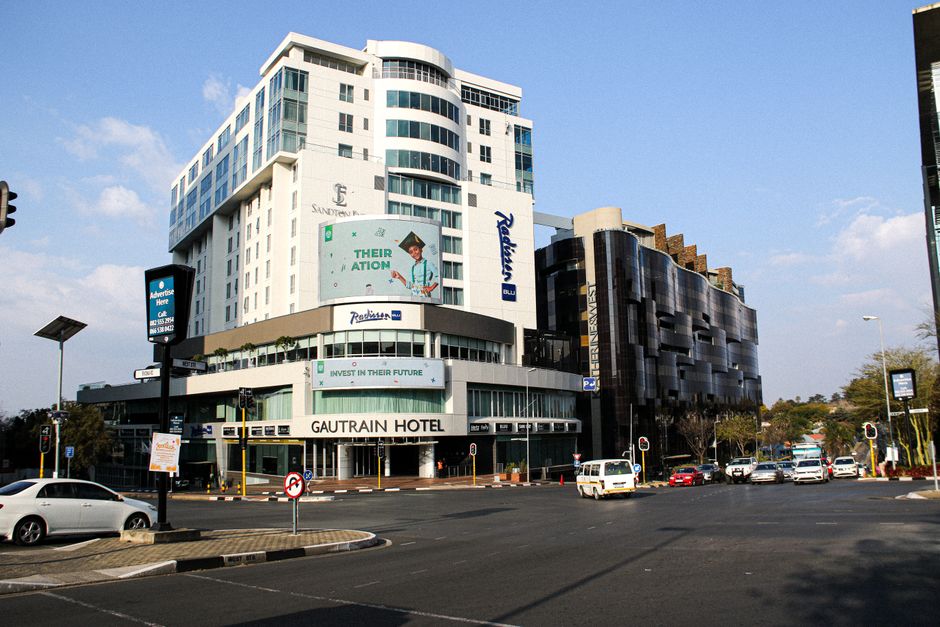
The trend is most visible in Sandton and the surrounding financial districts, where alternative investment platforms have mushroomed over the past 18 months. Micro-lending fintech companies, some operating from glass-fronted offices along Rivonia Road and around the Johannesburg Stock Exchange precinct, report year-on-year growth exceeding 40%. These platforms are capitalising on what traditional banks have long ignored: the growing middle-income segment desperate to protect savings from rand weakness and inflation.
"People earning R50,000 to R150,000 monthly are no longer satisfied with bank savings accounts yielding 7% when inflation runs at double digits," explains a senior analyst at a Johannesburg-based investment firm. This demographic—young professionals in areas like Bryanston, Rosebank and Parkhurst—now represents the fastest-growing client base for emerging asset managers and cryptocurrency trading platforms.
Real estate investment trusts (REITs) focused on affordable housing have similarly benefited, with several achieving double-digit returns over the past 24 months. Companies developing sectional titles in previously neglected areas like Soweto's Protea Glen and parts of Randburg have seen unprecedented demand from first-time buyers seeking inflation-resistant assets.
The food retail sector tells a similar story. Discount supermarket chains and township-focused grocery platforms have expanded aggressively, each opening multiple locations. Those who invested in these businesses two years ago have seen share valuations climb substantially as consumers trade down from premium brands.
However, the opportunity remains sharply stratified. While established investment platforms and property developers harvest gains, ordinary Johannesburg residents continue tightening belts. Eskom's latest tariff increases and water rate hikes in municipalities like the City of Johannesburg have strained household cash flows further, even as investment vehicles promise wealth creation.
The gap presents a pressing question for policymakers: in a city where financial opportunity increasingly correlates with existing capital, how do ordinary residents transition from cost-cutting survival mode to wealth-building participation? For now, those with liquidity to invest are thriving in crisis conditions—but the majority remain locked outside the door.
This article was compiled by AI from the sources linked above and screened before publishing. See our editorial standards.