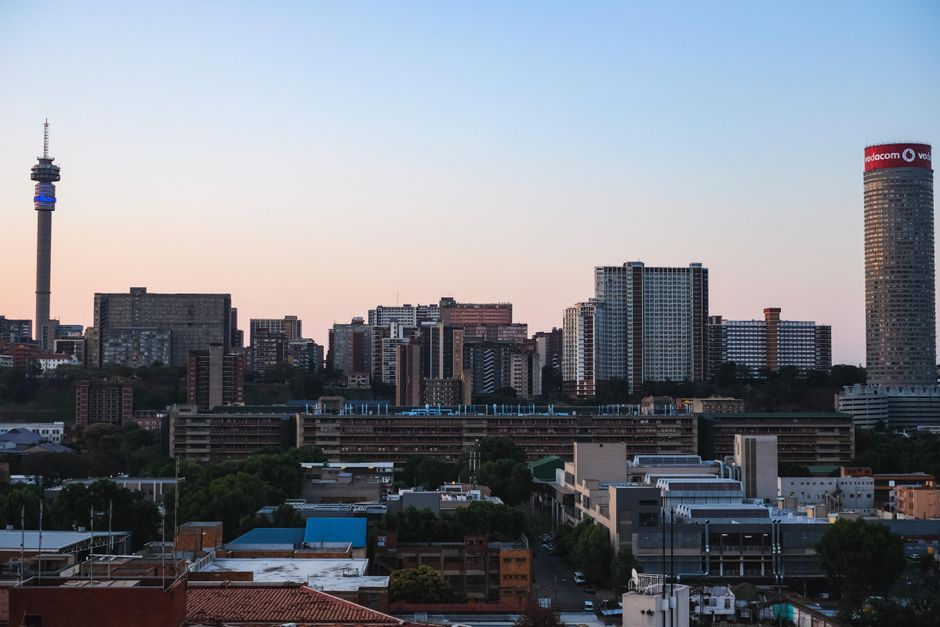
The trading floors of Sandton's financial district are abuzz with conversations about foreign direct investment, but many business leaders in Johannesburg remain unclear about what the headline numbers actually mean for their bottom line. With global investment patterns becoming increasingly erratic, decoding economic indicators has shifted from academic exercise to survival skill.
Last quarter, South Africa experienced a net outflow of R18 billion in portfolio investment, according to the Reserve Bank's latest data. For professionals working in the office parks along Grayston Drive and around the Johannesburg Stock Exchange building, this figure carries real weight. When international investors pull money out of emerging markets, local currency weakness typically follows—affecting everything from import costs to dividend repatriation for multinational firms operating from Johannesburg's business precincts.
The mechanics are straightforward, though often obscured by financial jargon. Economic indicators—whether interest rate decisions, inflation figures, or trade balance data—serve as signals that guide investment flows. When the US Federal Reserve raises rates, capital flows toward dollar-denominated assets, away from rand-based opportunities. When China's manufacturing data softens, commodity exporters like South Africa feel the pressure. These aren't abstract concepts; they influence hiring decisions at companies clustered in Midrand's corporate parks and affect the viability of expansion plans across Johannesburg.
Understanding these flows requires tracking several key metrics. The current account deficit—essentially whether a country is spending more abroad than it earns—currently sits at concerning levels for South Africa. Simultaneously, foreign exchange reserves provide a cushion; South Africa's reserves of approximately $54 billion offer some stability, though down from previous peaks. For investors evaluating opportunities, this tells a story of vulnerability without immediate crisis.
What makes this moment particularly critical for Johannesburg's business community is the divergence between global trends. While emerging market volatility persists, certain sectors—particularly in business services and technology—continue attracting investment. Companies headquartered in the Rosebank and Bryanston corridors increasingly tap into global capital flows by positioning themselves as service providers to international firms.
The practical takeaway: businesses shouldn't treat investment flows as background noise. Those monitoring foreign exchange volatility, interest rate differentials, and cross-border capital movements can anticipate supply chain pressures, adjust pricing strategies, and time capital expenditures more effectively. For Johannesburg's business leaders, the ability to read these indicators isn't optional—it's the difference between thriving in volatile markets and being caught flat-footed.
This article was compiled by AI from the sources linked above and screened before publishing. See our editorial standards.