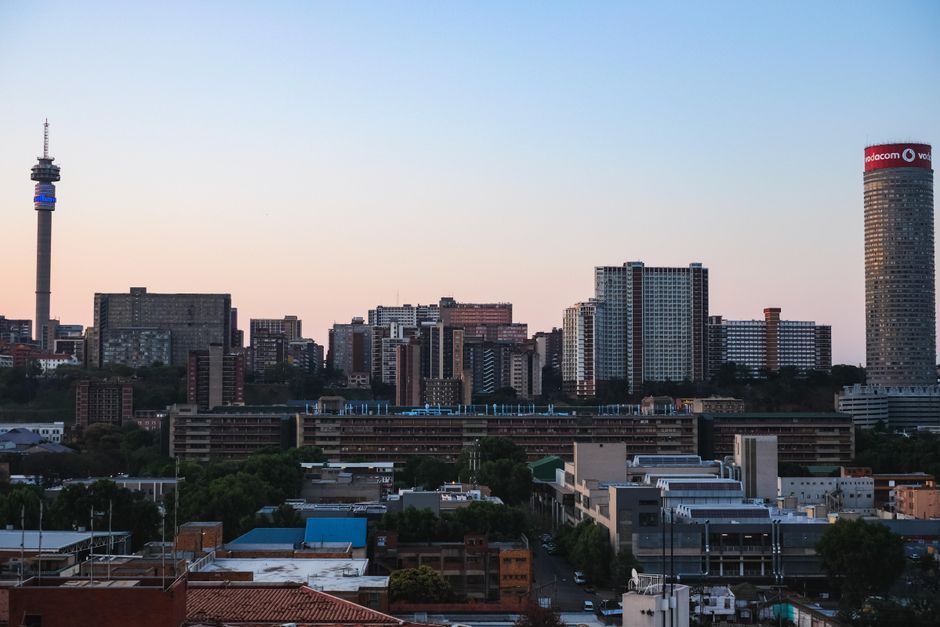
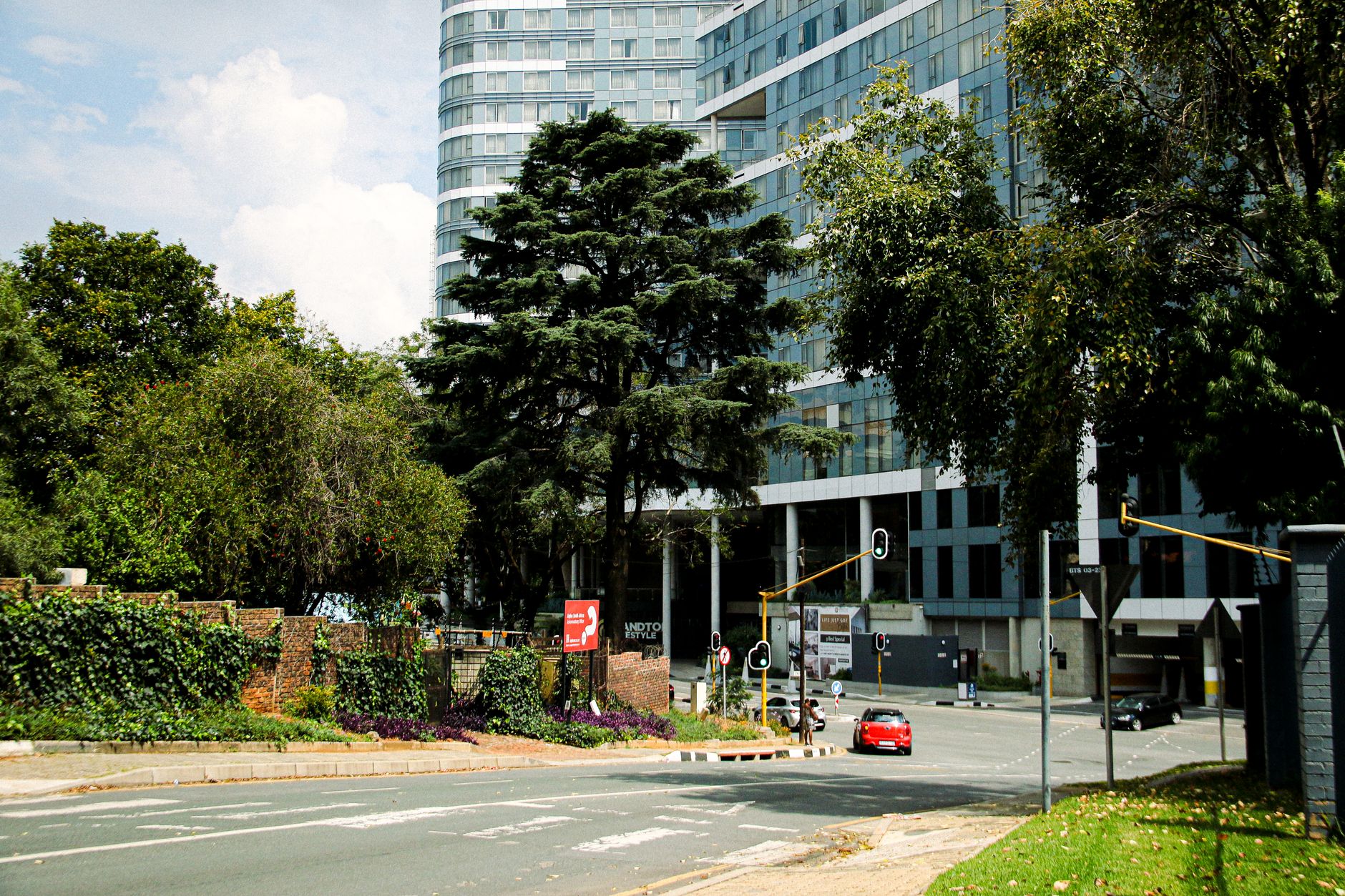
In a modest office tucked above a coffee shop on 4th Street in Parkhurst, the quiet revolution in Johannesburg's digital marketing sector is humming along at full speed. What began three years ago as a one-woman operation working from a kitchen table in Melville has evolved into a thriving 18-person agency generating an estimated R12 million in annual revenue—a testament to the hunger and ingenuity driving the city's small business renaissance.
The story of agencies like this reflects broader trends reshaping Johannesburg's economic identity. According to the Johannesburg Chamber of Commerce and Industry's 2025 survey, small and medium enterprises now account for nearly 34% of job creation in the greater metro area, up from 28% five years ago. Within the digital services sector specifically, growth has outpaced traditional industries by nearly 40%.
What sets locally grown operations apart is their deep understanding of Johannesburg's unique market dynamics. Businesses operating across the city's diverse corridors—from the corporate heartland of Sandton to the creative clusters emerging in Braamfontein and the established retail corridors of Rosebank—require nuanced, locally informed strategies. Young entrepreneurs filling this gap are not simply importing international playbooks; they're building them from the ground up.
The obstacles remain formidable. Rising operational costs in premium office districts, challenges accessing venture capital, and the drain of skilled talent to international markets all weigh heavily. Yet the city's entrepreneurial ecosystem has become increasingly resilient. Spaces like RLabs in Braamfontein and Bozza in Sunninghill have created affordable incubation environments where founders can test ideas without bearing the full weight of traditional commercial rent—a critical innovation for early-stage ventures.
Networking infrastructure has matured considerably too. The Johannesburg Young Entrepreneurs Forum, hosting monthly meetups in venues across Rosebank and the CBD, now draws over 200 participants regularly. These gatherings have become informal venture capital discovery zones, where promising founders connect with seasoned business leaders willing to mentor or invest.
For the broader city economy, the emergence of these homegrown success stories carries profound significance. Unlike multinational operations that typically repatriate profits, local businesses tend to reinvest earnings within Johannesburg's communities, supporting supply chains, hiring junior staff, and anchoring the tax base that funds municipal services.
As Johannesburg continues navigating the pressures of the post-pandemic economy, these entrepreneurs represent something vital: proof that the city remains a place where ambition, backed by skill and persistence, can still flourish. Their success is not incidental to Johannesburg's future—it is central to it.
This article was compiled by AI from the sources linked above and screened before publishing. See our editorial standards.