Johannesburg's commercial property market is experiencing a seismic shift, and those paying attention are already making calculated moves. The exodus from traditional office parks on the city's periphery—particularly in areas like Midrand and Centurion—has created a golden opportunity for developers and landlords betting on a return to urban density.
The numbers tell a compelling story. Over the past eighteen months, rental rates for Grade A office space in Sandton have remained resilient, hovering around R210 to R240 per square metre, while comparable properties in secondary nodes have languished. Meanwhile, mixed-use developments combining office, retail, and residential components are commanding premium valuations across the Johannesburg CBD's revitalised precincts.
The winners are becoming apparent. Property development groups with significant holdings in Sandton's established corridors—particularly along Katherine Street and around the Sandton City precinct—are experiencing surging occupancy rates as multinational firms downsize their total footprint while upgrading their primary office addresses. Financial services companies, in particular, are consolidating operations into high-specification workspace near major transport nodes and client-facing amenities.
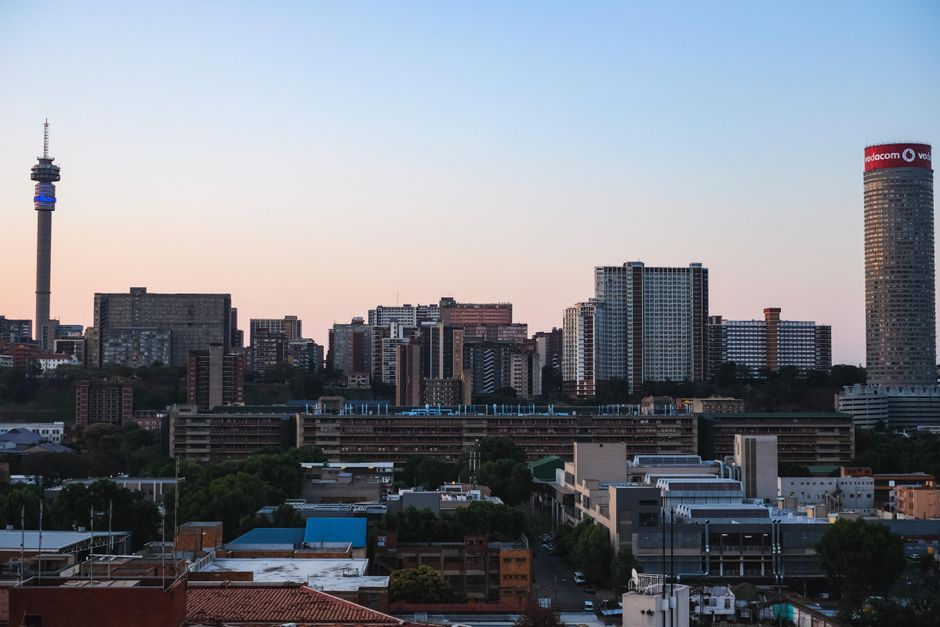
But opportunity extends beyond the northern suburbs. The Johannesburg CBD's transformation narrative is attracting forward-thinking investors. The conversion of heritage buildings on Simmonds Street and around the Braamfontein corridor into modern office suites has proven particularly attractive to technology firms and creative agencies seeking character-driven workspaces at lower entry costs than Sandton equivalent premiums.
Real estate consultancies tracking the market note that companies are prioritising flexibility. Shorter lease terms, co-working integration, and modular workspace design are becoming standard negotiating points. This structural shift favours operators with agile lease portfolios and recently refurbished facilities over landlords holding long-term leases signed during the pre-pandemic expansion era.
Interestingly, the residential-office convergence is reshaping property strategies entirely. Developments combining compact apartments with shared workspace—a model taking root in areas like Parktown and the rapidly evolving Maboneng Precinct—are attracting remote workers and entrepreneurial talent previously underserved by traditional office markets.
For investors reading the tea leaves, the message is clear: centralised, flexible, mixed-use properties in well-connected nodes are appreciating. Those holding onto outdated suburban office parks face mounting vacancy challenges. The Johannesburg commercial property market's next chapter belongs to those willing to embrace density, flexibility, and integration. The question is no longer whether change is coming—it's already here—but whether property owners can adapt quickly enough to capitalise.
This article was compiled by AI from the sources linked above and screened before publishing. See our editorial standards.