Global Turmoil Tests Johannesburg's Tourism Resilience as Visitor Economy Faces Headwinds
International instability is reshaping travel patterns to South Africa's economic engine, forcing local hospitality operators to rethink strategy.
International instability is reshaping travel patterns to South Africa's economic engine, forcing local hospitality operators to rethink strategy.
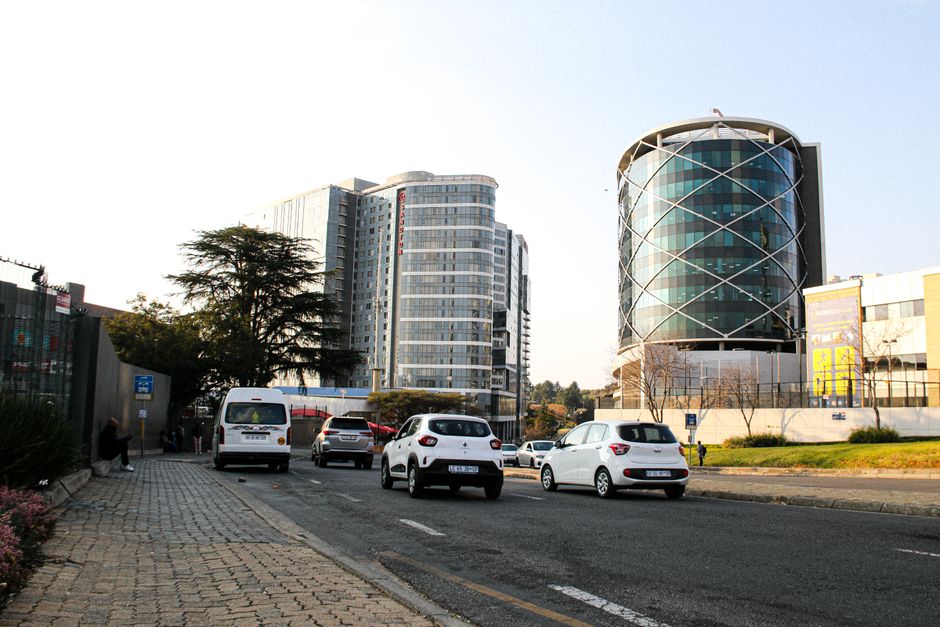
The boardroom conversations happening this week in Sandton's gleaming office towers tell a sobering story: Johannesburg's visitor economy is caught in the crossfire of global uncertainty, and business owners are scrambling to adapt.
Tourism contributes approximately R28 billion annually to Johannesburg's economy, supporting an estimated 46,000 jobs across hospitality, retail, and services. But the confluence of international tensions, health crises in neighbouring regions, and geopolitical volatility is creating headwinds that ripple directly through local business operations.
"We're seeing genuine concern among corporate travel planners," explains a senior figure at the Johannesburg Tourism Company, who noted that booking patterns have shifted markedly over the past quarter. Uncertainty in the Middle East and broader global tensions are causing multinational companies to consolidate travel, consolidate meetings, or redirect to perceived safer hubs. Hotels along the Sandton corridor—where nightly rates typically range from R1,800 to R4,500—report occupancy dips, particularly in the corporate segment that usually anchors weekday bookings.
The downstream effect is visible across Johannesburg's tourism infrastructure. Restaurants in Maboneng, long a draw for international visitors and experiential tourism, report slower foot traffic. Tour operators working from offices near the Rosebank Gautrain station say international inquiry levels have plateaued. Even the Apartheid Museum and Soweto heritage tours—flagship attractions that typically attract steady international interest—are seeing booking volatility rather than steady growth.
Regional health concerns add another layer. Disease outbreaks in proximity to South Africa naturally trigger cautious travel advisories from origin countries, affecting airline bookings and group travel decisions. Airlines serving OR Tambo International Airport have had to recalibrate capacity planning, which affects both revenue for carriers and the ecosystem of ground services, car rental, and concierge businesses dependent on visitor volume.
Yet business leaders here see opportunity in adaptation. Some hospitality operators are aggressively targeting regional African travel—markets less affected by global volatility—and leveraging Johannesburg's position as a continental hub. Digital marketing is shifting toward long-haul markets perceived as more stable, with particular emphasis on corporate retreats and conferencing rather than leisure tourism.
The verdict remains unsettled. Johannesburg's tourism economy is neither collapsing nor surging. Instead, it's recalibrating in real-time, responding to forces well beyond Gauteng's borders. Business continuity now depends on reading global signals faster than competitors, and adapting local operations accordingly. That's the new operating environment.
This article was compiled by AI from the sources linked above and screened before publishing. See our editorial standards.
How does this story make you feel?
Spread the word
About this article
Published by The Daily Johannesburg
Daily brief
Free, in your inbox before 7am. Weekdays.
More in Business