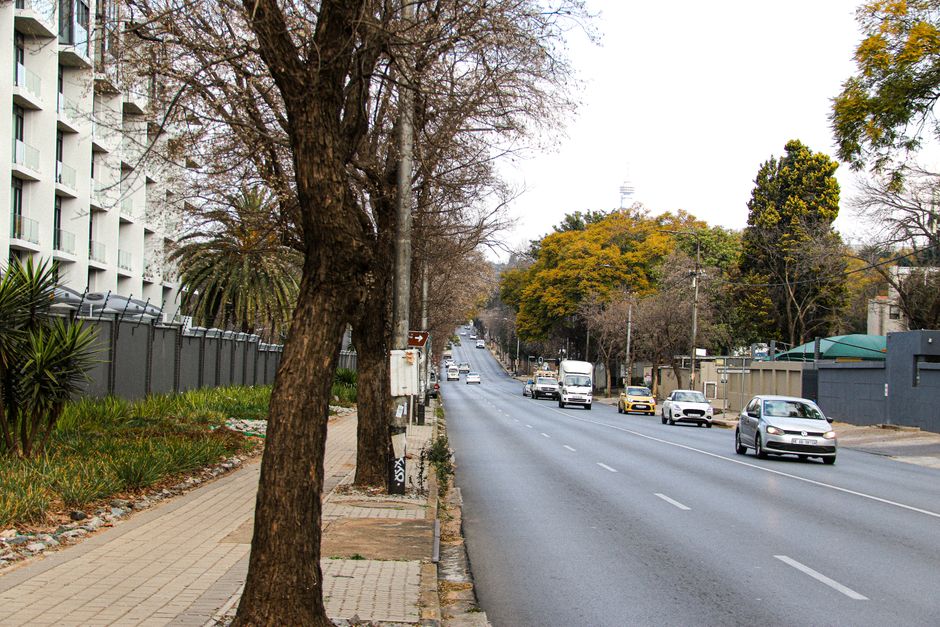
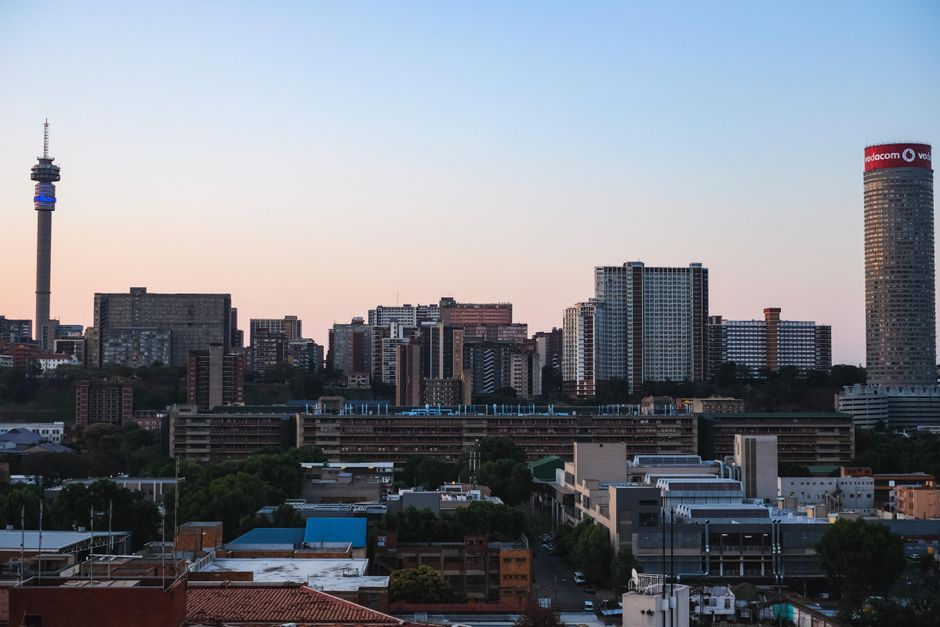
Walk down Commissioner Street in Johannesburg's financial district, and you'll notice something shift beneath the surface of the city's economy. Small business registrations in Gauteng hit 47,300 in the first quarter of 2026—a 12% jump year-on-year—yet venture capital deployment to local startups remains fractional. Understanding why requires parsing the economic indicators that increasingly govern whether entrepreneurs thrive or fold.
The disconnect reflects a broader global rebalancing. With international attention fractured across geopolitical tensions and commodity volatility, South African investors are recalibrating their exposure. The JSE's small-cap index climbed 8.2% since January, but that growth concentrates in established sectors. Emerging entrepreneurs competing for capital face a narrower aperture, despite positive headline figures.
Take the Braamfontein precinct, where young founders cluster in converted warehouses along Grayston Drive. Business intelligence firms tracking investment flows note that R2.1 billion flowed into Gauteng startups in 2025—respectable, until you factor in inflation and sector concentration. Tech and fintech absorbed 64% of that capital, leaving retail, manufacturing, and service sectors hungry.
Local economic indicators whisper the underlying story. The Johannesburg Chamber of Commerce reports that small business confidence hovered at 48 points in May 2026, below the neutral 50-point threshold. Interest rates, though edging downward, remain elevated relative to historical norms. Commercial property rentals in Soweto's emerging business nodes—areas like Jabulani—have plateaued after three years of steady increases, signalling investor caution.
Yet patterns hide opportunity for those reading them carefully. When foreign direct investment contracts, as global uncertainty persists, local capital seeks returns domestically. The Johannesburg Development Agency's recent infrastructure spend in Newtown points to deliberate efforts to seed new business ecosystems. Similarly, microfinance disbursements through organisations like Khula have accelerated, suggesting policymakers recognise where traditional banking still fails.
Entrepreneurs must decode these flows: declining interest in speculative ventures, rising demand for businesses with clear cash-flow paths, and renewed appetite for enterprises addressing local consumption gaps. A fashion retailer on Sandton Drive faces different capital availability than a logistics operator servicing township supply chains.
The takeaway for Johannesburg's small business community is stark but navigable. Investment flows are shifting, not disappearing. Those understanding economic indicators—tracking rand volatility, sector rotation, and policy moves—can position themselves where capital pools concentrate. In 2026's fractured investment landscape, that difference often decides which entrepreneurs' dreams become sustainable businesses.
This article was compiled by AI from the sources linked above and screened before publishing. See our editorial standards.