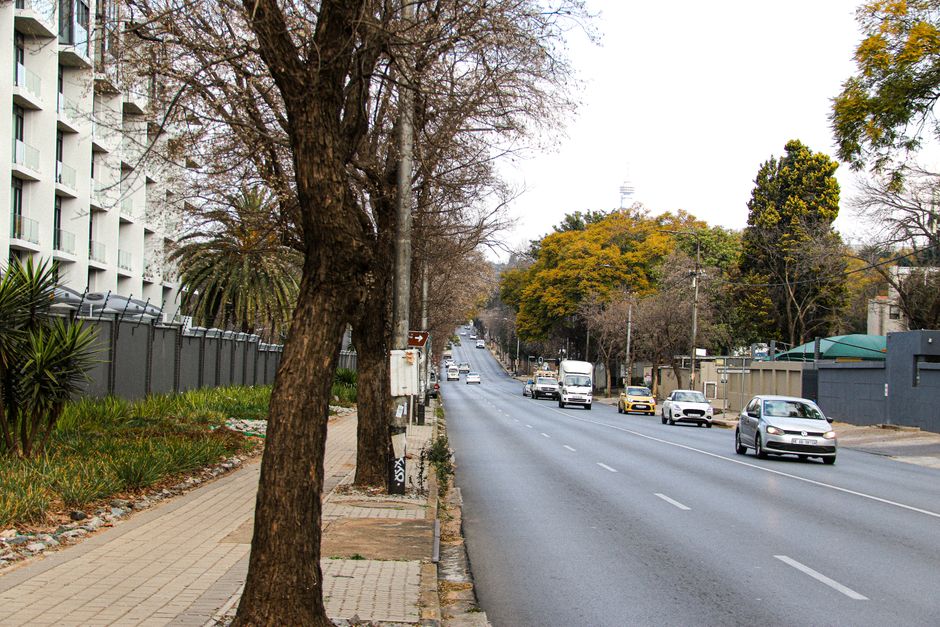
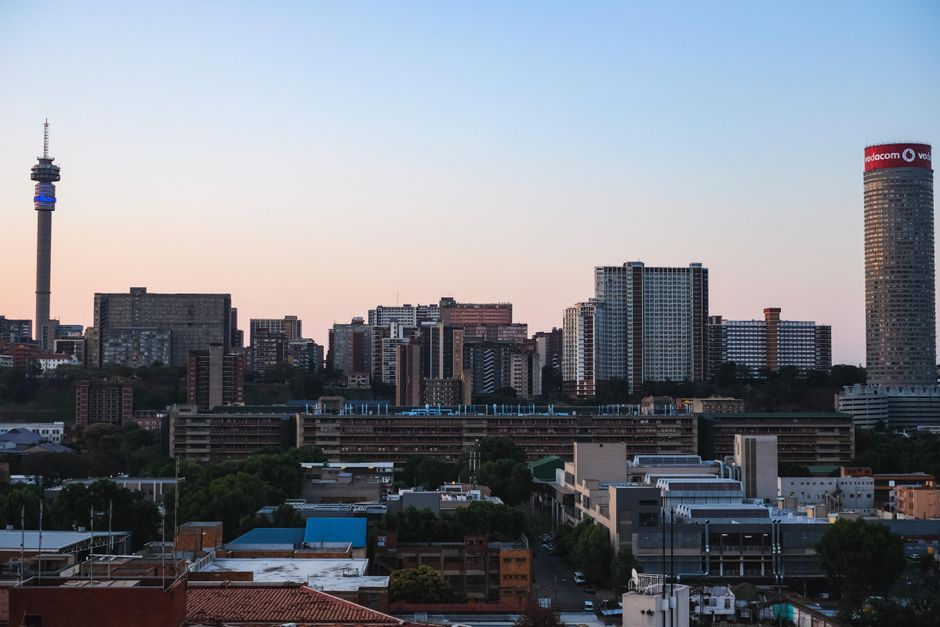
Walking through the Sandton business district on any given morning reveals the nervous energy gripping Johannesburg's financial sector. The morning briefings in gleaming towers along Rivonia Road now include a new constant: geopolitical risk assessments that were once relegated to specialist funds.
The convergence of multiple global crises—fresh tensions between the U.S. and Iran, Pakistan-Afghanistan hostilities, and competing extraction narratives around African mineral wealth—has created a perfect storm for Johannesburg's business community. Oil price volatility alone has cascading effects through logistics costs, manufacturing inputs, and the precious metals trading that underpins much of the city's wealth.
"We're seeing international investors reassess their emerging market exposure," explains the sentiment shared across the Johannesburg Securities Exchange, where volatility indices have spiked noticeably since mid-year. For local companies competing for foreign direct investment, the timing couldn't be worse. A manufacturing firm in the City Deep industrial complex might find their equipment lease costs rising as shipping rates fluctuate with Middle East tensions, while their overseas customers delay orders.
The cost-of-living pressure for ordinary Johannesburg residents has become acute. Fuel prices, volatile due to geopolitical uncertainty, directly impact transport costs—a minibus ride from Alexandra township to the CBD has become increasingly unpredictable. Imported goods prices at malls in Rosebank and Sandton reflect currency fluctuations driven by global capital flows seeking safety in developed markets.
Meanwhile, the global narrative around mining deals complicates South Africa's position. As international capital flows toward lucrative extraction opportunities elsewhere, domestic companies must work harder to attract investment capital that historically flowed their way. Banks and investment firms headquartered in Johannesburg's financial hubs report increased scrutiny from international partners regarding ESG compliance and geopolitical exposure—adding compliance costs that ultimately get passed to consumers.
For small and medium enterprises operating from business parks in Midrand or lighter industrial zones in Kempton Park, the effects are immediate. Supply chain disruptions mean longer lead times and higher working capital requirements. Procurement teams face currency headwinds that squeeze margins already thin in competitive sectors.
The Johannesburg business community isn't passive. However, without decisive policy responses to the underlying vulnerabilities—energy security, currency stability, and investment climate resilience—the global turbulence will continue finding its way into local boardrooms and household budgets alike.
This article was compiled by AI from the sources linked above and screened before publishing. See our editorial standards.