The Johannesburg commercial property market is undergoing a quiet but decisive realignment. After years of uncertainty that saw office vacancy rates climb above 15% in traditional precincts, a new pattern is emerging—one that's creating genuine opportunities for those positioned to capture them.
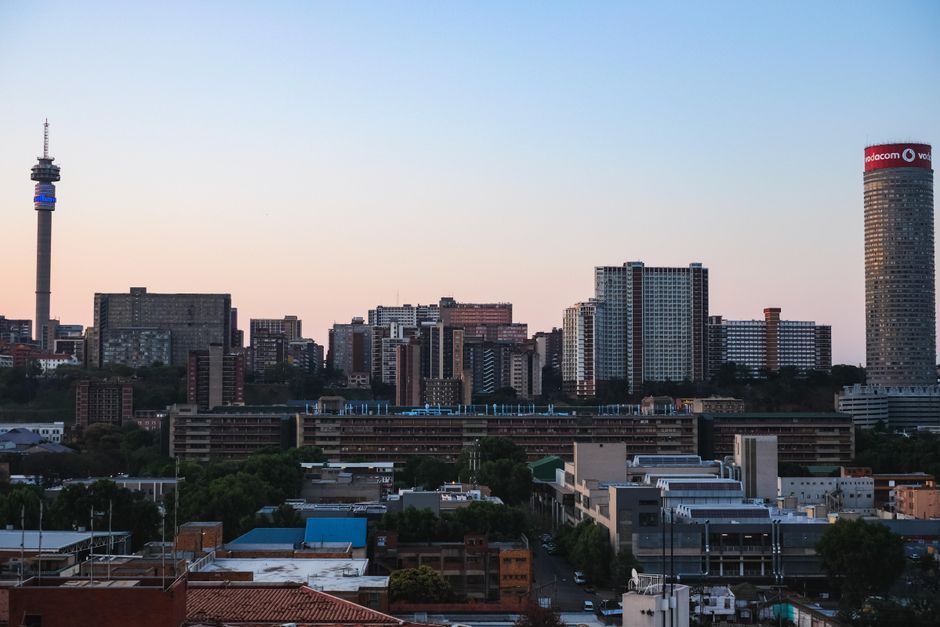
The shift is geographic. While the Sandton CBD and Midrand corridor remain dominant, they're no longer the default choice. Companies are increasingly trading expensive, large-format leases in established office parks for smaller, agile spaces in secondary nodes like Rosebank, Bryanston, and the rapidly evolving Johannesburg CBD's northern precinct around Newtown and the Maboneng area. The average asking rental in Sandton remains around R185–210 per square metre per annum, but emerging precincts are seeing more flexible arrangements and lower per-metre costs attracting smaller firms and tech-forward businesses.
Property developers have already noticed. Mixed-use developments that combine office, retail, and residential components are gaining traction in areas previously dismissed as secondary. Conversion projects—particularly of aging office blocks into co-working spaces, serviced offices, and smaller modular units—are seeing faster leasing cycles than traditional landlord-tenant arrangements.
The real beneficiaries are boutique real estate firms and nimble developers willing to work with smaller lettings and shorter lease terms. Companies offering flexible workspace solutions are outpacing traditional commercial agents. Meanwhile, investors who acquired distressed assets in transitional areas between 2023 and 2024 are now repositioning them to meet hybrid-work demand.
Data supports the trend. The Johannesburg Property Index suggests that while central Sandton office stock remains oversupplied, micro-nodes within a 10-kilometre radius of the CBD are seeing occupancy creep upward. Younger companies, particularly in tech, professional services, and creative sectors, are driving this demand.
But there's a catch. The winners aren't those holding massive office portfolios in prime locations; they're the players adapting fastest. Landlords offering shorter terms, better technology infrastructure, and proximity to lifestyle amenities—think Maboneng's galleries and cafés, or Rosebank's green spaces—are filling vacant space faster than holdouts insisting on traditional three-to-five-year leases.
For investors and brokers, the message is clear: the Johannesburg office market's future isn't concentrated. It's distributed, flexible, and increasingly driven by operators who understand that post-pandemic work isn't returning to 2019 patterns. Those already moving capital and expertise into emerging precincts are capturing a market that traditional players are only now beginning to take seriously.
This article was compiled by AI from the sources linked above and screened before publishing. See our editorial standards.