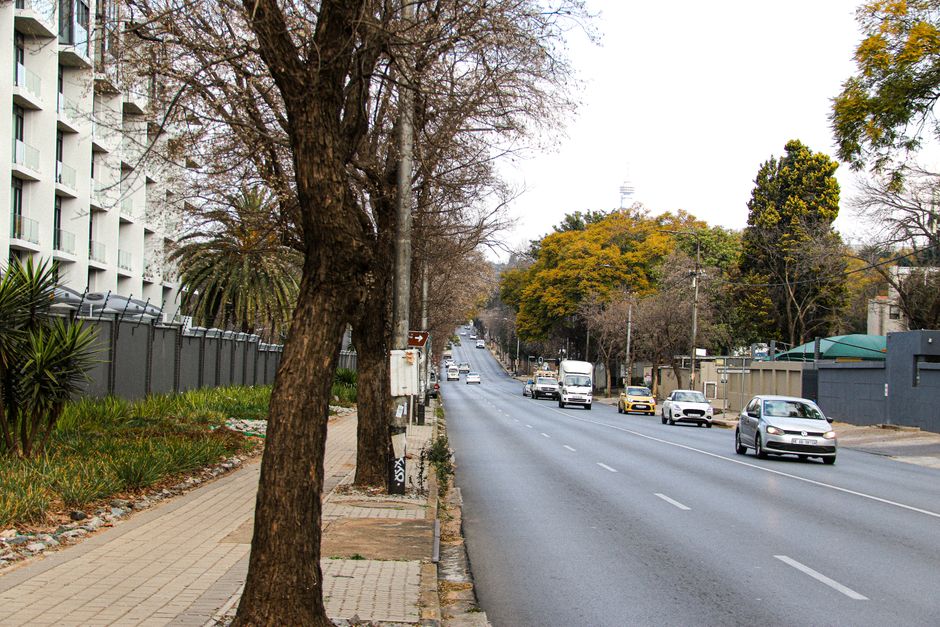
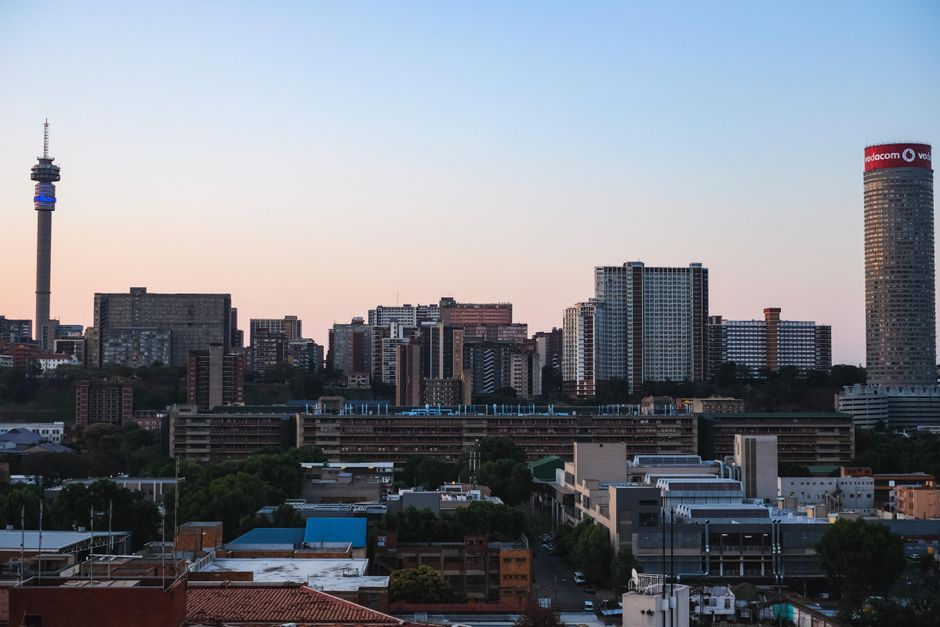
Walk into any independent shop along Commissioner Street or browse the stalls at the Braamfontein Precinct on a Friday afternoon, and you'll encounter the backbone of Johannesburg's economy—small business owners operating with razor-thin margins and zero safety net.
The reality facing local entrepreneurs has shifted dramatically. Data from the Johannesburg Chamber of Commerce indicates that 34% of small retailers reported declining foot traffic over the past 18 months, while operational costs—electricity, rent, and stock—have surged. A corner grocer in Parkhurst reported electricity bills jumping from R4,200 to R6,800 monthly, forcing difficult decisions about pricing and staffing.
For residents, this translates into a choice: convenience often comes at a premium. An independent coffee roastery in Maboneng charges R48 for a flat white, compared to R32 at major chains. But here's what matters: that R16 difference frequently covers a skilled barista's wage, local suppliers, and sustainable sourcing practices that chain competitors sidestep.
The informal economy tells a similar story. Street vendors operating around the Johannesburg Stock Exchange precinct and Sandton face mounting pressure from licensing requirements, safety regulations, and competition from established retail. Yet they collectively generate hundreds of millions in annual turnover while employing thousands directly.
Several consumer behaviors are proving critical. First: loyalty cards and repeat visits genuinely sustain small shops. A family spending R200 weekly at a local Soweto spaza shop injects R10,400 annually into that business—enough to cover one employee's basic salary. Second: advance orders for specialized products eliminate costly overstocking. Third: online reviews and word-of-mouth directly impact survival; a poorly-managed reputation spreads faster than ever.
The Johannesburg Metropolitan Municipality's recent initiatives to support township entrepreneurs through the Jozi@Work program underscore official recognition of this dependency. Yet without consumer participation, such schemes prove hollow.
The uncomfortable truth residents must grasp: small business sustainability isn't philanthropy. When you pay slightly more at an independent retailer in Melville or Johannesburg's CBD, you're purchasing economic resilience, neighborhood vitality, and employment creation. Those funds circulate locally—paying rent to property owners, wages to staff, and purchasing stock from other local suppliers.
As load shedding, inflation, and unemployment reshape Johannesburg's landscape, the question facing every shopper isn't whether small businesses deserve support. It's whether residents understand they're voting, with every transaction, for the kind of city they'll inhabit in five years.
This article was compiled by AI from the sources linked above and screened before publishing. See our editorial standards.