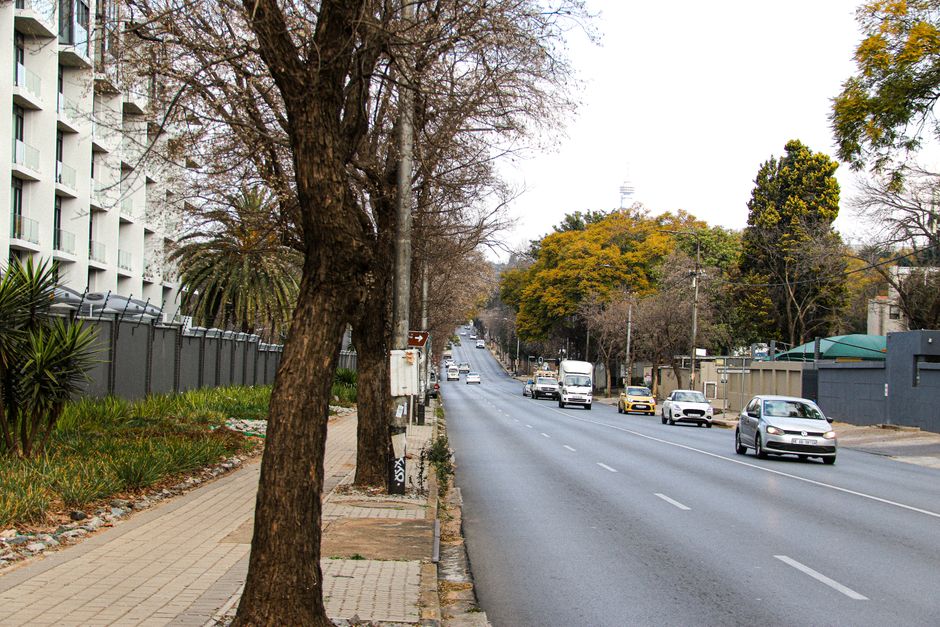
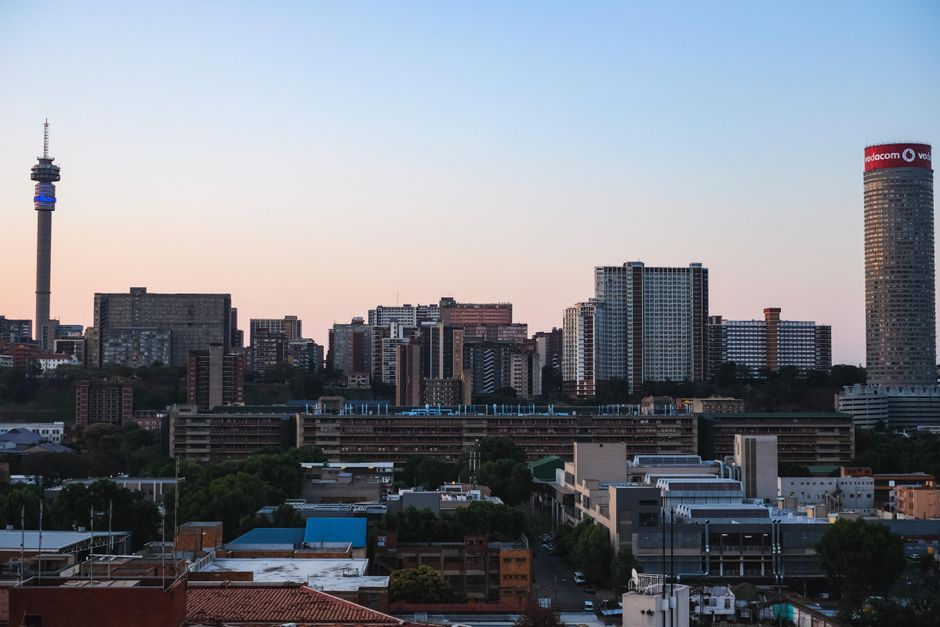
Walk along Commissioner Street or through the Maboneng Precinct on any given morning, and you'll encounter the backbone of Johannesburg's economy: small business owners wrestling with an increasingly unforgiving operating environment. As we approach the second half of 2026, entrepreneurs across the city are confronting a perfect storm of escalating costs that threatens the viability of ventures large and small.
The headwinds are unmistakable. Commercial rental rates in sought-after areas like Braamfontein and Parkhurst have climbed an estimated 12-15% year-on-year, with prime retail space now commanding upwards of R250 per square metre monthly. Meanwhile, electricity tariffs—already raised by the municipality at the start of the year—continue their upward march, forcing many operators to absorb energy costs that now represent 18-22% of monthly overheads, a significant jump from 14% in 2024.
Transport and logistics remain another critical pressure point. Fuel surcharges, deteriorating road infrastructure, and increased security costs along major routes serving townships like Soweto and Ekurhuleni have made last-mile delivery prohibitively expensive for small retailers and service providers. A delivery that cost R80 two years ago now runs R140 or more.
Supply chain disruptions compound the challenge. Small manufacturers and wholesalers operating in industrial areas around Paarden Eiland and Marshalltown report extended lead times and inflated import costs as global shipping rates remain volatile. Local suppliers, meanwhile, have been squeezed by their own cost pressures, making it harder for small businesses to secure competitive wholesale pricing.
Access to credit remains a persistent barrier. While formal lending institutions demand collateral and credit histories many entrepreneurs cannot provide, informal lending carries prohibitive interest rates. Several small business associations have reported a noticeable uptick in enquiries from owners seeking merger or exit strategies rather than growth investment.
The Johannesburg Chamber of Commerce and Industry has flagged these mounting pressures in recent briefings, noting that small business confidence indices have declined steadily through the first half of the year. Consumer spending, particularly in township economies where many operators depend on high-volume, low-margin sales, has also softened as household budgets tighten.
Yet resilience persists. Some entrepreneurs are adapting through digital transformation, reducing physical footprint, or pivoting their product mix. Incubation hubs in areas like Braamfontein continue to attract new ventures, though survival rates remain concerning.
For now, 2026 stands as a defining test. Those without reserves, flexibility, or access to support networks face a genuine threat to continuity.
This article was compiled by AI from the sources linked above and screened before publishing. See our editorial standards.