Global Instability Reshapes Johannesburg's Restaurant and Retail Landscape
From supply chain disruptions to currency volatility, international crises are forcing local hospitality operators to adapt or risk closure.
From supply chain disruptions to currency volatility, international crises are forcing local hospitality operators to adapt or risk closure.
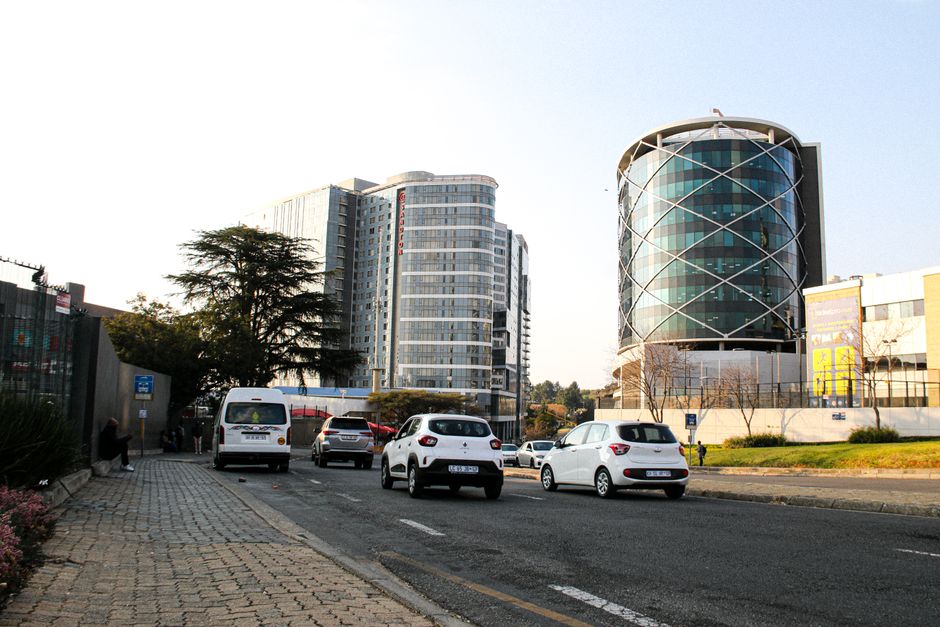
Johannesburg's vibrant food and hospitality sector is confronting a perfect storm of global challenges that extend far beyond the city's borders. As geopolitical tensions simmer across the Middle East and Africa, along with currency fluctuations tied to broader economic uncertainty, restaurant owners and retailers in Sandton, the Maboneng Precinct, and beyond are recalibrating their operations in real-time.
The impact is immediate and quantifiable. Import costs for European wines and spirits—staples in upmarket establishments along Oxford Road in Illovo—have climbed roughly 18% since the start of the year, according to local hospitality suppliers. A bottle that cost R420 in January now retails for R495, squeezing margins already pressured by rising labour costs and electricity tariffs. Meanwhile, Middle Eastern tensions have created uncertainty around shipping routes, adding weeks to delivery schedules for everything from olive oil to kitchen equipment.
"We're seeing operators make tough choices," says the Restaurant Association of South Africa, noting that several mid-range establishments in Braamfontein have shifted their menus toward locally-sourced ingredients—a pragmatic response that's also resonating with sustainability-conscious diners.
Currency volatility presents another headache. The rand's recent fluctuations have forced retailers on Rivonia Road and in the Rosebank Mall precinct to adjust pricing more frequently, a strategy that risks alienating price-sensitive consumers while eroding customer loyalty. Fast-casual dining operators report that their franchise agreements with international parents—many headquartered in the US or UK—now include currency adjustment clauses that transfer risk downward to local franchisees.
Yet disruption breeds opportunity. Local artisanal food producers, craft beverage makers, and farm-to-table concepts are gaining traction as restaurants seek to differentiate and insulate themselves from global supply shocks. Several Johannesburg-based hospitality groups have expanded their sourcing from Gauteng-based suppliers, reducing both transport costs and delivery times while supporting local agriculture.
Tourism disruptions in other regions—from instability in neighbouring countries to travel warnings—have also redirected visitor spending toward South Africa. High-end venues in the Sandton City precinct and emerging hotspots in Soweto report steady international footfall, though average spend per customer remains below pre-pandemic levels.
The survival playbook for Johannesburg's hospitality sector in 2026 hinges on agility: diversified supply chains, strategic menu localisation, and closer partnerships with domestic producers. Those adapting quickest are insulating themselves against the next global shock.
This article was compiled by AI from the sources linked above and screened before publishing. See our editorial standards.
How does this story make you feel?
Spread the word
About this article
Published by The Daily Johannesburg
Daily brief
Free, in your inbox before 7am. Weekdays.
More in Business