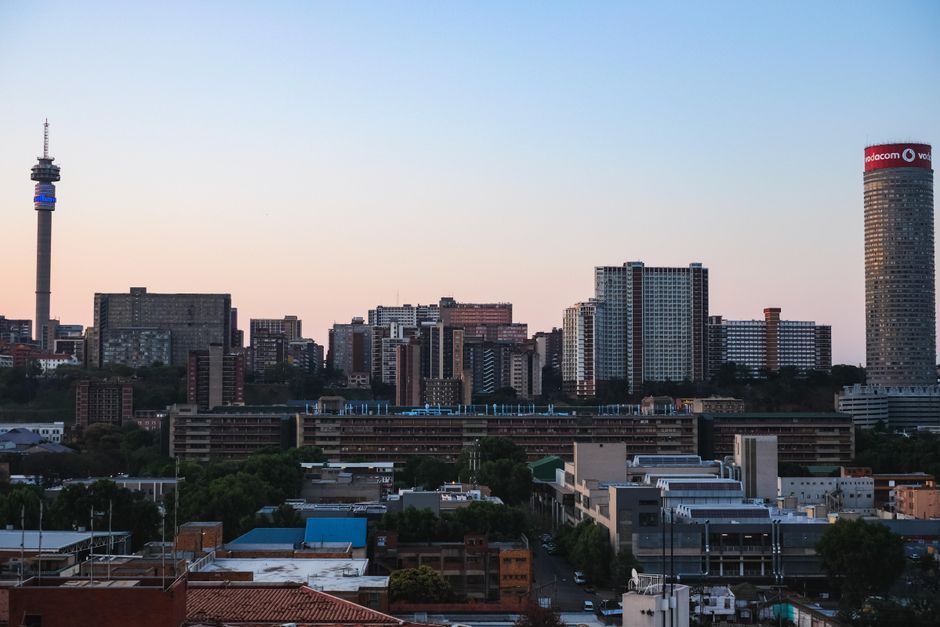
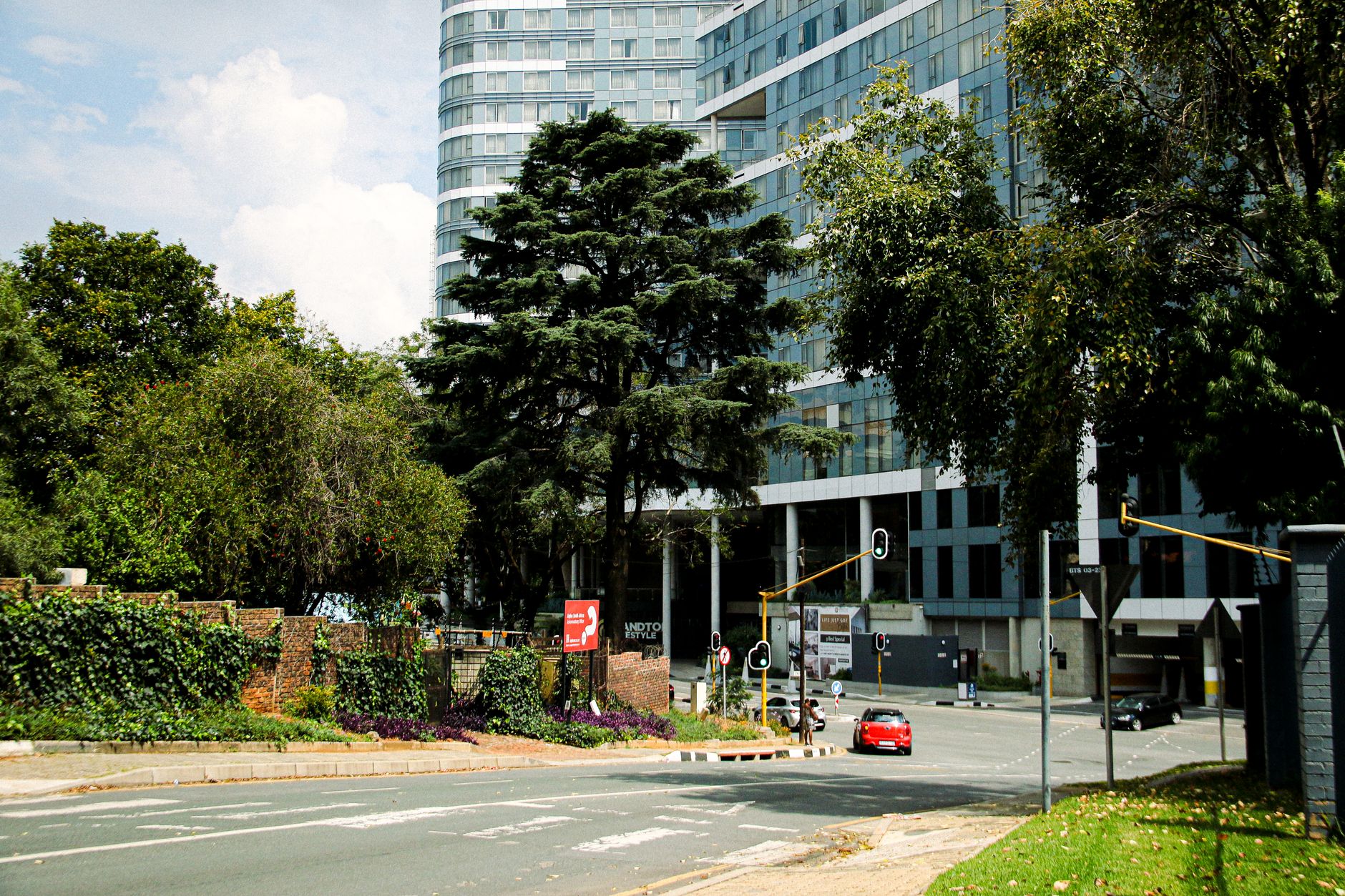
Walking through the bustling corridors of the Sandton City shopping centre on a Monday afternoon, you'll notice something that wasn't as prevalent a year ago: hesitation. Store managers report that foot traffic has plateaued, and discretionary spending is under pressure—a direct consequence of global instability trickling down to Johannesburg's streets.
The business community operating from the corporate towers of the Johannesburg Stock Exchange precinct to the small retailers dotting Rosebank and Melrose are grappling with a perfect storm of international headwinds. Tensions between the United States and Iran, ongoing Middle Eastern conflicts, and political upheaval in neighbouring regions are disrupting supply chains, driving up import costs, and creating currency volatility that erodes profit margins.
The numbers tell a stark story. Import costs for many goods have surged by 8-12% over the past eighteen months, according to local business chambers. A small manufacturing operation in Isando that sources components from the Persian Gulf now faces lead times extended by four weeks—adding significant carrying costs to inventory. Restaurants in the Maboneng precinct report food costs climbing faster than they can adjust menus without pricing out their customer base entirely.
Currency headwinds are equally punishing. The rand's weakness against major currencies means that every dollar-denominated debt or import obligation becomes more expensive. For businesses like those anchored in the tech hubs around Bryanston and Midrand, this creates a squeeze between rising operational costs and competitive pressure to keep pricing competitive globally.
Yet some sectors are adapting. Local manufacturers are increasingly looking inward, developing supply chains that depend less on volatile international sources. Several Johannesburg-based businesses are pivoting toward regional trade partnerships within the Southern African Development Community, seeing reduced exposure to geopolitical shocks as a competitive advantage.
Consumer confidence, meanwhile, remains fragile. Household budgets across northern suburbs and established middle-class areas are tightening. Commuters using the Gautrain are reporting reduced discretionary purchases; small business owners in areas like Fourways and Sandton note that B2B clients are delaying non-essential expenditures.
The lesson for Johannesburg's business community is clear: in an interconnected world, what happens in Qatar, Venezuela, or the Strait of Hormuz reverberates through spreadsheets in Johannesburg within weeks. Savvy operators are hedging currency exposure, diversifying supply sources, and preparing for extended periods of elevated uncertainty. The question now is whether local policy makers and business leaders can craft strategies that build resilience into South Africa's economic model.
This article was compiled by AI from the sources linked above and screened before publishing. See our editorial standards.