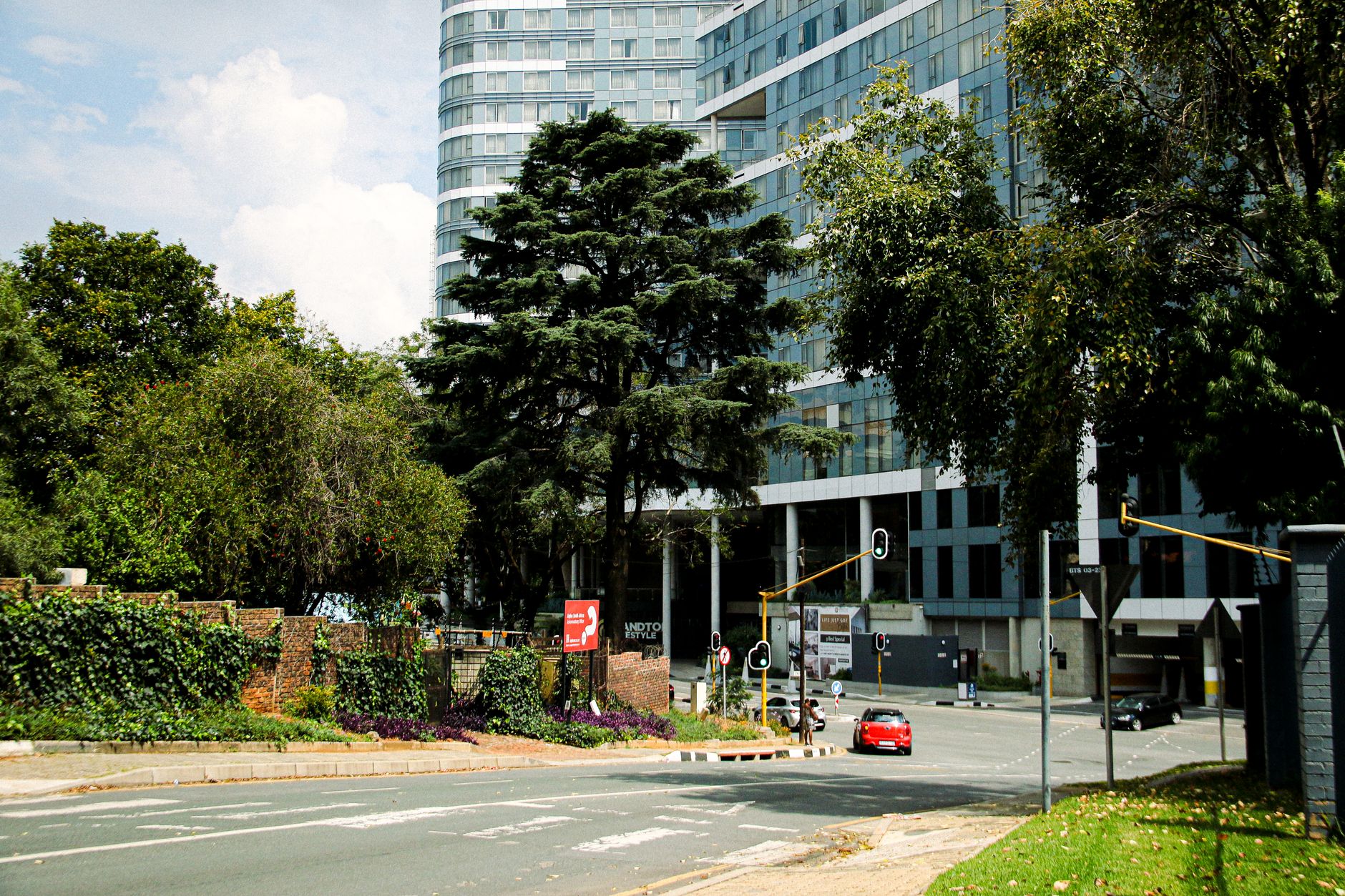
Johannesburg's Office Market at Crossroads: What Businesses Need to Know Right Now
As hybrid work reshapes demand and Sandton faces stiff competition from emerging nodes, commercial property players are adapting strategies to stay ahead.
As hybrid work reshapes demand and Sandton faces stiff competition from emerging nodes, commercial property players are adapting strategies to stay ahead.
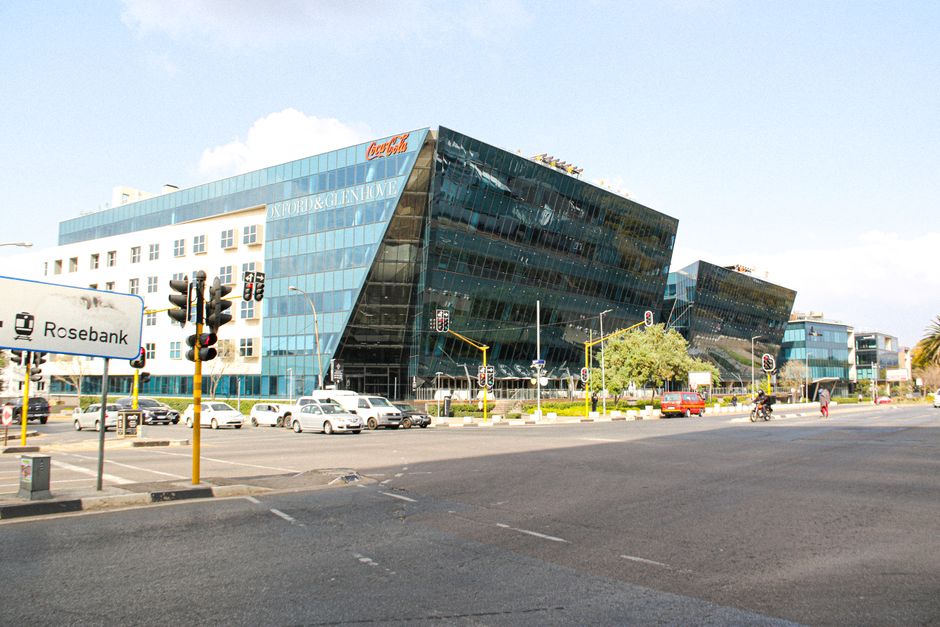
Johannesburg's commercial property market is experiencing a decisive shift that business leaders and investors can no longer ignore. After years of pandemic-induced uncertainty, the office sector is stabilising—but not in the way many expected.
The traditional strongholds of Sandton and the Financial District remain dominant, but their grip is loosening. Class A office space in Sandton's core continues commanding premium rates around R250-280 per square metre annually, yet demand has plateaued as companies embrace flexible working arrangements. Meanwhile, emerging nodes like Rosebank and Bryanston are capturing increasing attention, with landlords in these areas offering competitive rates of R180-220 per square metre to attract tenants seeking alternatives to the corporate epicentre.
The numbers tell a cautionary tale. According to recent market data, office absorption in Johannesburg's CBD remains subdued, hovering around 6-8% vacancy rates in prime areas—well above pre-pandemic levels. This has forced landlords to compete harder through refurbishment programmes and technology upgrades rather than merely holding their ground on price.
What's reshaping the conversation entirely is the emergence of hybrid-friendly office design. Businesses occupying space along the Sandton-Grayston corridor are increasingly downsizing their footprints by 25-40%, consolidating teams into collaborative hubs rather than maintaining sprawling traditional floors. This trend is forcing property owners to reimagine their assets: gyms, wellness centres, and high-speed connectivity are no longer luxuries but baseline expectations.
For businesses making decisions now, location strategy matters differently than it did three years ago. A company choosing between a flagship Sandton address and a well-positioned Bryanston or Midrand alternative must weigh brand prestige against operational flexibility and cost efficiency. The cost differential—often 30-40% in favour of secondary nodes—can fund substantial technology investments elsewhere.
The industrial property sector, by contrast, remains resilient. E-commerce expansion and supply-chain reconfiguration continue driving demand in Johannesburg's logistics corridors, particularly around Kempton Park and Stikland, where yields remain attractive at 6.5-7.5%.
Perhaps most critically, businesses should monitor interest rate trajectory and rental growth expectations. With lending rates volatile and economic headwinds persistent, long-term leasing agreements are becoming negotiation battlegrounds. Landlords increasingly willing to offer rent-free periods and flexible escalation clauses—a decisive departure from the rigid terms of five years prior.
The message is clear: the one-size-fits-all office model is dead. Businesses that align their property strategies with actual working patterns, rather than legacy expectations, will emerge strongest in this recalibrated market.
This article was compiled by AI from the sources linked above and screened before publishing. See our editorial standards.
How does this story make you feel?
Spread the word
About this article
Published by The Daily Johannesburg
Daily brief
Free, in your inbox before 7am. Weekdays.
More in Business