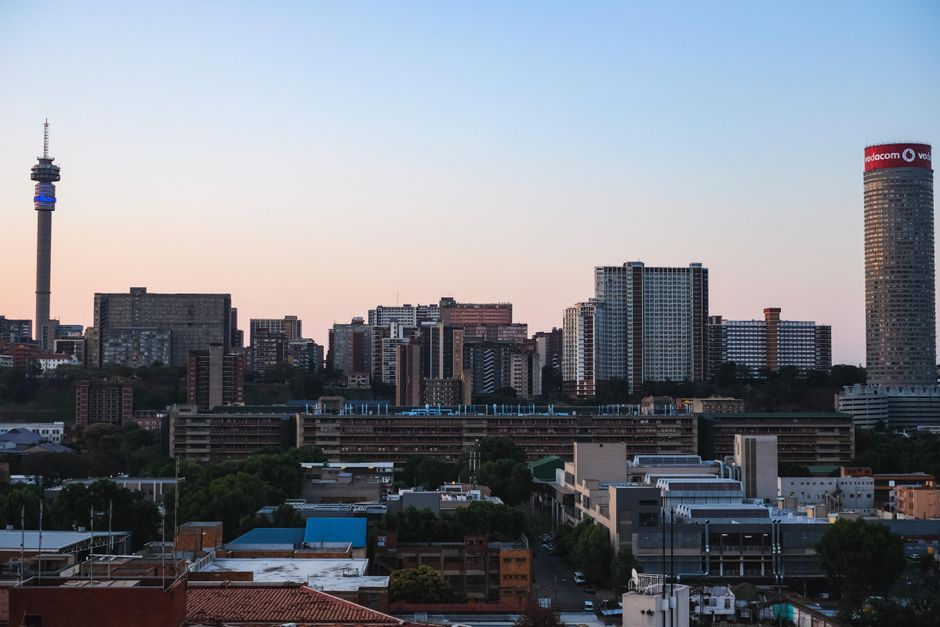
The gleaming office blocks that define Johannesburg's skyline are facing an existential crisis. Over the past eighteen months, major financial services firms, tech companies, and professional services businesses have quietly reduced their footprint in the traditional central business district, accelerating a shift toward hybrid work models and satellite offices in suburban nodes. The ripple effects are reshaping where jobs exist, who gets hired, and what Johannesburg's talent marketplace looks like.
The data tells a stark story. Commercial property vacancy rates in the CBD have climbed to levels not seen since the 2008 financial crisis, with some estimates placing empty office space at over 18 percent. Meanwhile, landlords in emerging office hubs—particularly around Sandton's corporate spine, the Rosebank precinct, and newly activated spaces in Midrand—report accelerating demand. Rental rates in these zones have held steady or grown, even as traditional Johannesburg addresses like Braamfontein and the Financial District offer desperate discounts.
This geographic fragmentation is fracturing Johannesburg's labour market in unexpected ways. Young graduates who relied on the CBD's agglomeration of entry-level opportunities now find themselves competing for a shrinking pool of junior roles in town. Many are being pushed toward suburban offices, which often lack the mentorship ecosystems and networking density the centre once offered. Conversely, senior professionals with flexibility are gravitating toward Sandton and the northern suburbs, where new office developments offer modern amenities and shorter commutes from residential clusters.
Recruitment agencies report a measurable shift in client demands. Firms are no longer asking, "Can we hire the best talent in Johannesburg?" but rather, "Can we hire the best talent willing to work in our new location?" This has opened opportunities in previously overlooked areas—Bedfordview, Randburg, and the Crescent corridor are seeing unexpected job creation—but it's come at the cost of equity. Workers without private transport or living in outlying townships face new barriers to opportunity as jobs scatter across the metropolitan expanse.
Property experts note this isn't merely about real estate cycles. It reflects a structural reordering of work itself. The pandemic proved remote work viable; companies have recalibrated accordingly. But Johannesburg's sprawl means distributed work often means distributed inequality. A talent acquisition manager at a major financial services firm notes the challenge: offices in lower-cost nodes attract different demographics than CBD towers, reshaping workforce composition in ways both unintended and hard to reverse.
The question facing Johannesburg is whether this fragmentation strengthens or weakens its competitive position. Revitalised suburban nodes may reduce the CBD's chronic security and service delivery challenges. Or they may hollow out the centre, destroying the density advantages that made Johannesburg Africa's pre-eminent business hub.
This article was compiled by AI from the sources linked above and screened before publishing. See our editorial standards.