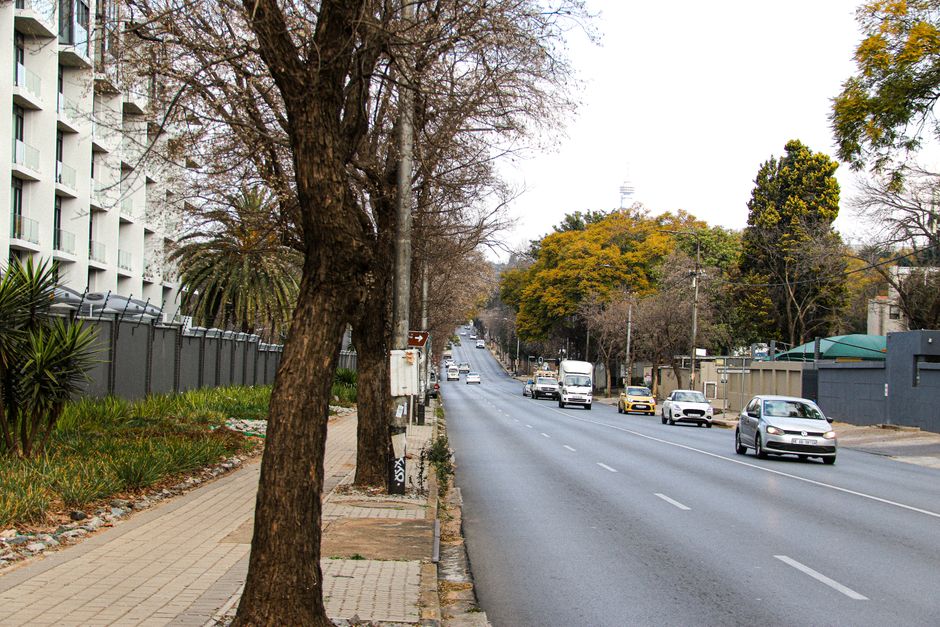
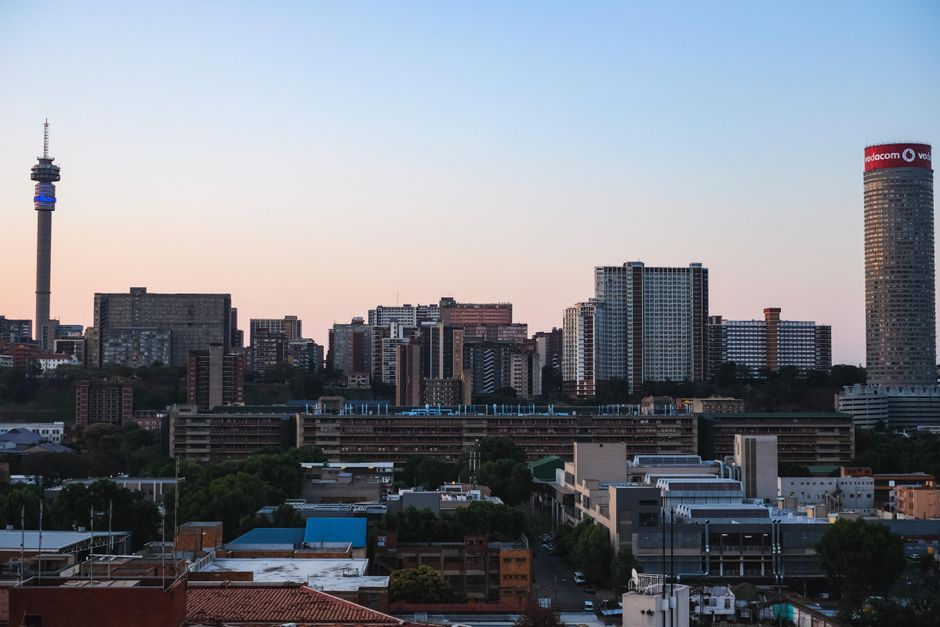
Walk down Oxford Road in Sandton or browse the shop-lined streets of Bryanston on any weekday morning, and you'll see what appears to be a thriving small business ecosystem. Boutique coffee shops, independent fashion retailers, artisan bakeries, and tech startups crowd the pavements alongside corporate chains. But behind these inviting storefronts lies a sobering reality: survival rates for small enterprises in Johannesburg remain precarious.
Recent data from the Small Business Institute suggests that approximately 70% of new small businesses in Gauteng fail within their first five years. For retail and hospitality ventures in premium neighbourhoods like Parkhurst and Fourways, the pressures are even more acute. Rent for a modest 500-square-metre retail space in these areas now averages R35,000 to R50,000 monthly – before staff, utilities, or inventory costs are factored in.
What does this mean for everyday Johannesburg residents? It's more important than ever to understand the economics underpinning the businesses you frequent. When you buy that R65 specialty coffee, a substantial portion covers rent, not just beans. When independent retailers on Claim Street or in the Rosebank precinct offer premium pricing, they're often pricing for survival, not greed.
The challenge has intensified post-2024. Load-shedding costs have driven up operating expenses unpredictably. Many small business owners report electricity costs have tripled in two years. E-commerce competition from Amazon and local platforms has eroded foot traffic in traditional retail districts. Meanwhile, labour costs continue climbing – a skilled barista in central Johannesburg now commands R18,000 to R22,000 monthly wages.
Smart consumers should recognise that supporting local businesses isn't merely sentimental – it's economically rational. Every rand you spend locally circulates within your community, funding the jobs and vibrancy that characterise neighbourhoods like Melville and Maboneng. More directly, businesses you patronise regularly can invest in better service, quality, and community presence.
Several initiatives are helping. The Johannesburg Chamber of Commerce and industry associations increasingly offer mentorship and shared resources. Some landlords have begun offering flexible lease terms recognising the broader economic climate.
The lesson for residents is clear: the small businesses you see today aren't guaranteed to exist tomorrow. Understanding their margins, supporting them deliberately, and advocating for policies that ease their burden – from municipal tax relief to load-shedding subsidies – protects the economic and cultural character of your city.
This article was compiled by AI from the sources linked above and screened before publishing. See our editorial standards.