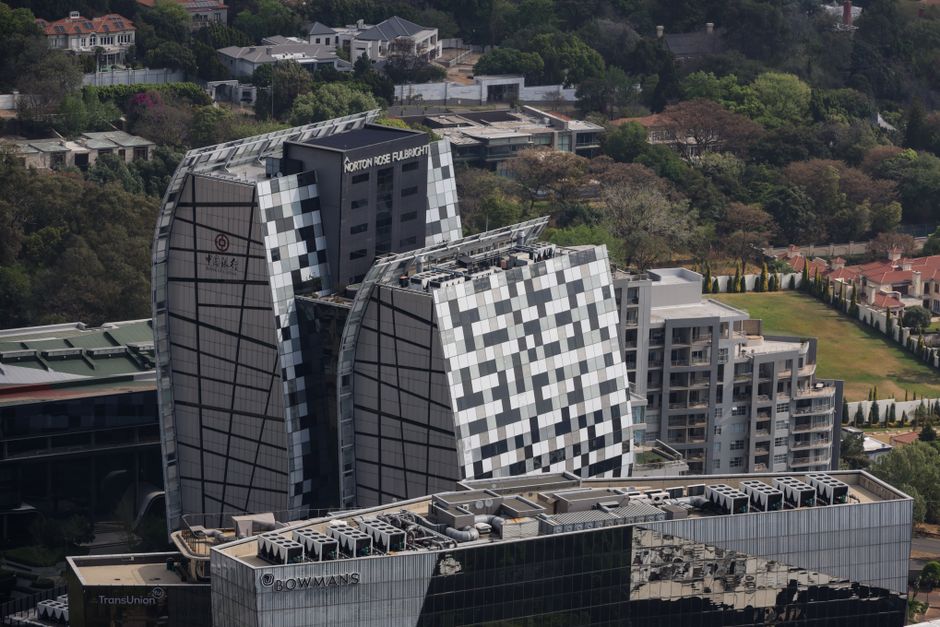
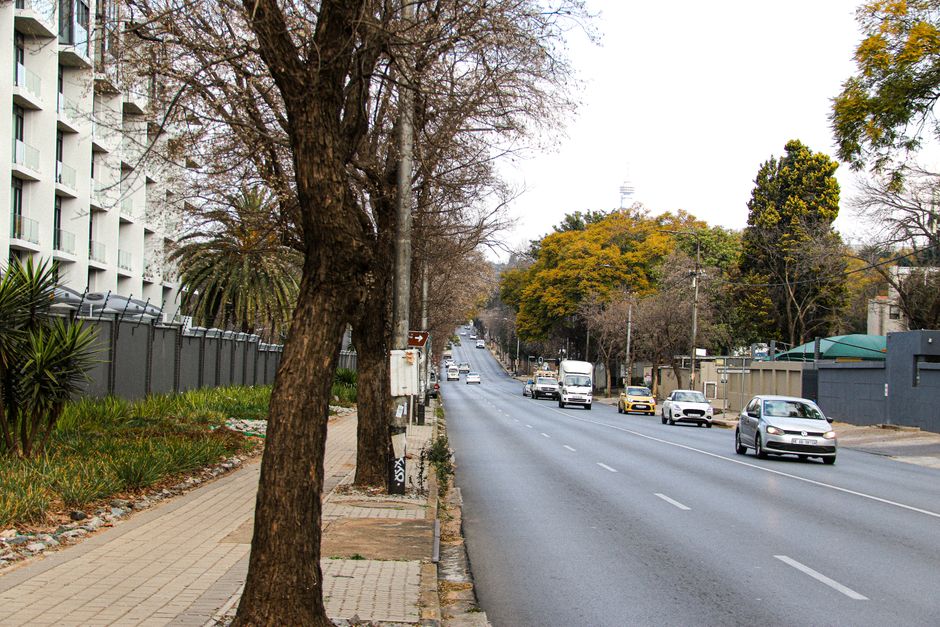
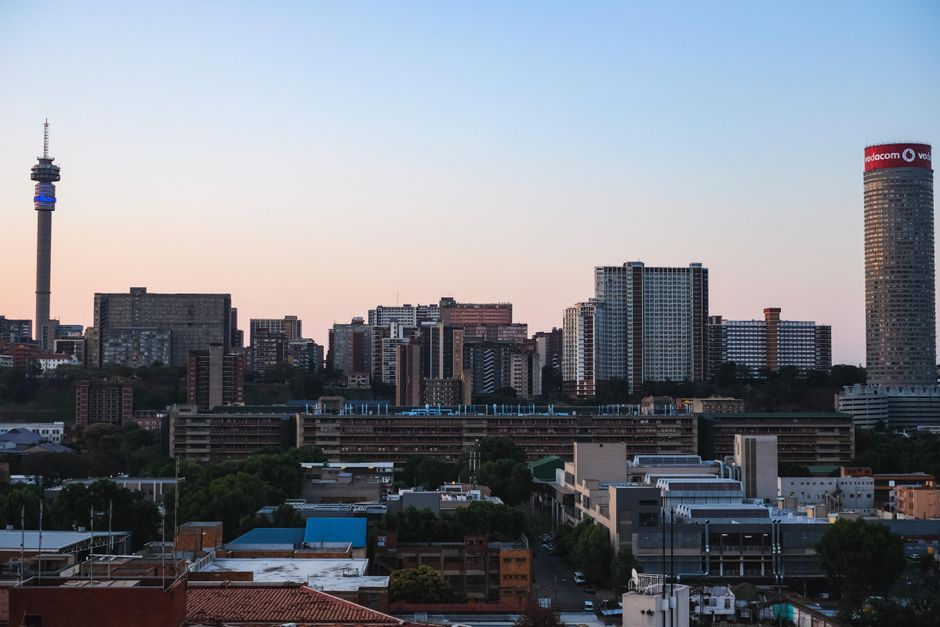
The retail and hospitality landscape across Johannesburg is undergoing rapid transformation. From the regenerated precincts of Maboneng to the upmarket dining corridors of Sandton, business operators are grappling with shifting consumer behaviour, inflationary pressures, and evolving safety considerations that demand immediate strategic attention.
Industry data suggests South African hospitality venues have experienced a 12-15% rise in operational costs over the past 18 months, driven by energy tariffs and labour adjustments. For restaurants and bars clustering around areas like Parkhurst and Bryanston, this translates to tighter margins. The Johannesburg Chamber of Commerce reports that 23% of mid-tier food establishments have adjusted menus or portion sizes rather than raising prices—a delicate balancing act to retain price-sensitive customers.
Consumer behaviour tells another story entirely. Post-pandemic dining preferences have solidified: experiential dining and outdoor venues command premium pricing power. Venues with garden settings or rooftop installations along Rivonia Road and within the Cradle precinct report stronger foot traffic than enclosed, traditional formats. The shift toward smaller, artisanal offerings has also accelerated, with local suppliers and farm-to-table concepts gaining traction among affluent northside demographics.
Digital integration remains non-negotiable. Mobile payment adoption in Johannesburg's hospitality sector now exceeds 68%, up from 42% in 2024. Point-of-sale systems offering real-time inventory and customer analytics have moved from luxury to operational necessity. Venues without robust digital ordering or app-based reservations are reporting reduced competitiveness against tech-enabled rivals.
The retail side presents mixed signals. Traditional shopping centres in areas like Midrand continue struggling, while experiential retail—combining food, beverage, and entertainment—shows resilience. Pop-up venues and flexible lease arrangements on streets like Main Road, Melville, are becoming preferred models over long-term fixed premises.
Safety and security infrastructure significantly impacts customer confidence and operational viability. Venues implementing visible security measures, well-lit facades, and reliable transport options (particularly relevant in areas with variable public transportation) report higher repeat business. This investment, while substantial, has become a competitive differentiator.
For businesses planning expansion or repositioning, the data is clear: success requires operational efficiency, customer data leverage, and experiential differentiation. Generic dining and retail concepts struggle; purpose-built, neighbourhood-responsive venues thrive. Johannesburg's food and hospitality sector remains fundamentally sound, but operators ignoring these market shifts risk obsolescence. The winners in 2026 will be those who see these trends not as obstacles, but as recalibration opportunities.
This article was compiled by AI from the sources linked above and screened before publishing. See our editorial standards.