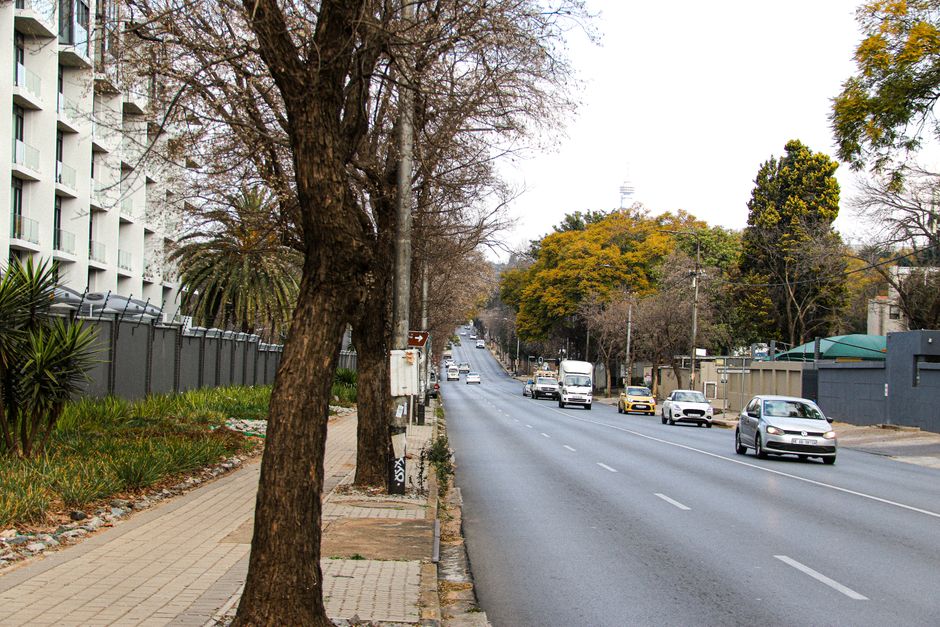
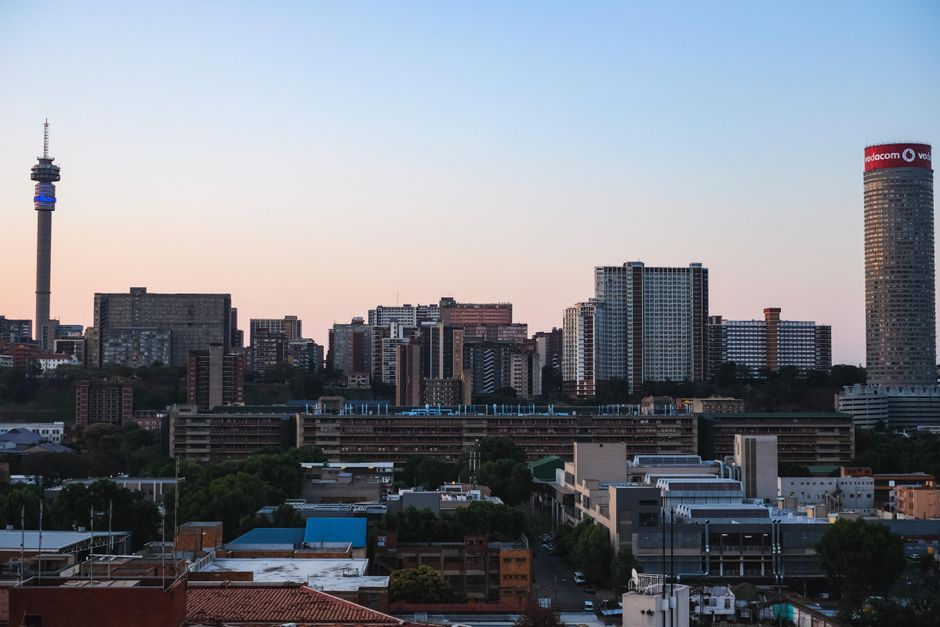
Walk through Braamfontein or along Commissioner Street in the CBD, and you'll see the strain on Johannesburg's small business ecosystem. Six months into 2026, entrepreneurs are contending with a convergence of headwinds that many describe as the most challenging environment in a decade.
The electricity crisis remains the most immediate threat. Load-shedding schedules, though less severe than 2022-2023, continue to impose unpredictable operating costs. A survey by the Johannesburg Chamber of Commerce and Industry found that 67% of small retailers report increased electricity expenses of between 15-25% year-on-year. For businesses operating in the Fordsburg wholesale district or the Marshalltown precinct—traditionally cost-sensitive sectors—these margins are unsustainable.
Rising commercial rental rates compound the problem. In Sandton's business parks and along Main Street in Maboneng, landlords have hiked rates by an average of 8-12% since early 2025. Meanwhile, consumer spending patterns have fundamentally shifted. The rise of e-commerce platforms and alternative shopping behaviours means foot traffic to traditional retail strips has declined by an estimated 18% compared to 2024. Small traders in the Oriental Plaza and surrounding precincts have felt this acutely.
Labour costs present another squeeze. The National Minimum Wage now sits at R28.50 per hour, placing pressure on business owners who employ staff across hospitality, retail, and services sectors. Combined with increased employer contributions to unemployment insurance and skills levies, fixed employment costs have risen significantly.
Access to credit remains constrained. While mainstream banks have slightly eased lending criteria, small business owners still face interest rates between 9.5% and 13% for working capital loans—substantially higher than the repo rate. For entrepreneurs seeking to modernise operations or expand capacity, the cost of borrowing remains prohibitive.
The tax environment hasn't helped either. The Skills Development Levy and recent amendments to tax compliance requirements have added administrative burden, particularly for sole proprietors managing tight operational structures.
Yet there are pockets of resilience. Entrepreneurs embracing digital transformation—particularly those operating in the tech corridor around the Innovation Hub in Braamfontein—report better adaptability. Some traditional sectors, including niche manufacturing and specialized services, continue to find opportunities amid broader market consolidation.
For the broader small business sector, however, 2026 is shaping as a year of survival and strategic repositioning rather than expansion. Without targeted support from government and relief on electricity supply, many Johannesburg entrepreneurs face difficult decisions ahead.
This article was compiled by AI from the sources linked above and screened before publishing. See our editorial standards.