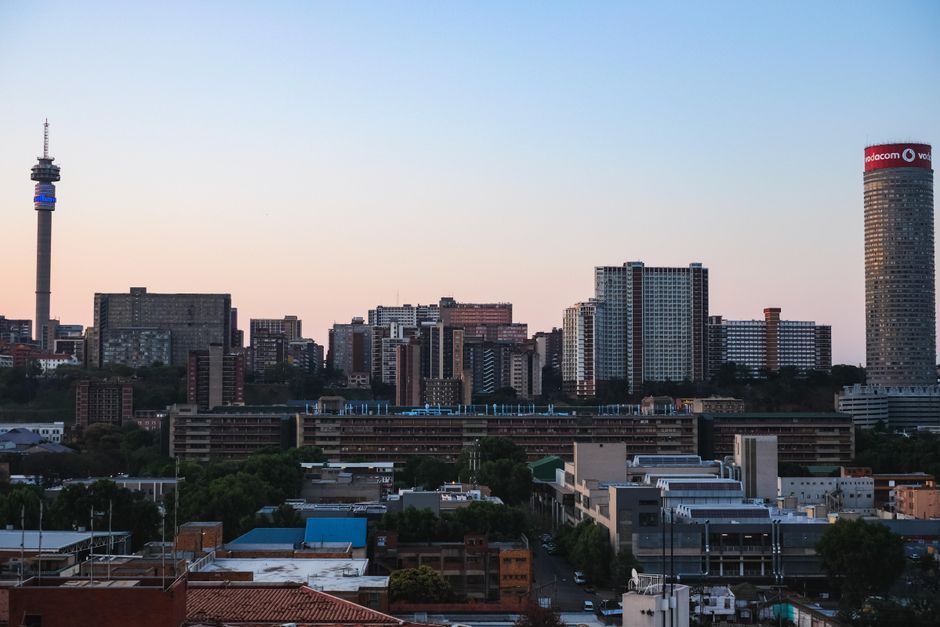
The escalating standoff between the United States and Iran over control of shipping lanes is having immediate ripple effects in Johannesburg's business district. Logistics firms operating from the Wanderers precinct report a 12-15% spike in freight costs since early June, as shipping companies reroute vessels away from the Strait of Hormuz—a chokepoint through which roughly 20% of global oil passes.
For Johannesburg-based pharmaceutical exporters and manufacturers along the Witwatersrand corridor, the impact is acute. A mid-sized producer in Kempton Park outlined how raw material sourcing from the Middle East has become significantly more expensive, with lead times extending by two to three weeks. "We're absorbing some costs, but our margins are under pressure," said one operations manager, reflecting sentiment across the sector.
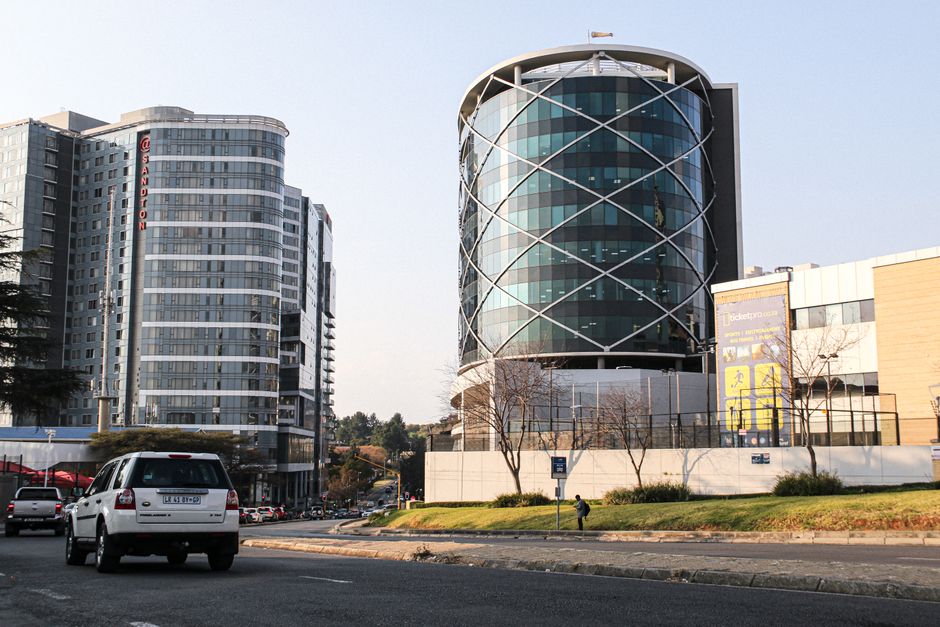
Currency volatility is another headwind. The rand's fluctuation—driven partly by global risk appetite and emerging-market capital flight—has made pricing contracts with international clients increasingly difficult. Exporters in the tech and business services hubs around the Sandton area are raising prices where they can, but competitive pressure limits their room to manoeuvre.
The Venezuelan crisis adds another layer of complexity. South Africa's modest but meaningful trade with Venezuela—historically valued at around R200-300 million annually—has contracted sharply. More significantly, regional uncertainty has spooked investors eyeing Latin American markets where South African firms hoped to expand. Several Johannesburg-headquartered companies have postponed regional growth plans pending clearer geopolitical signals.
Yet the picture is not uniformly bleak. Mining services companies headquartered in Sandton are seeing renewed interest from African operations as global supply-chain diversification accelerates. Buyers nervous about dependency on single sourcing regions are exploring South African suppliers of minerals and intermediate goods. A handful of logistics firms in the Midrand business park have quietly expanded capacity to handle the uptick.
At the Johannesburg Stock Exchange, indices tracking export-heavy sectors—particularly industrials and materials—have shown increased volatility. Analysts caution that if Middle East tensions escalate further, oil prices could spike beyond R1,500 per barrel locally, compounding cost pressures for manufacturing and transport-dependent businesses.
The lesson for Johannesburg's business community is familiar but sharpening: global turbulence quickly becomes local headache. Companies with diversified supply chains and hedging strategies are weathering the storm better. Those with concentrated exposure to volatile regions face meaningful headwinds in the months ahead.
This article was compiled by AI from the sources linked above and screened before publishing. See our editorial standards.