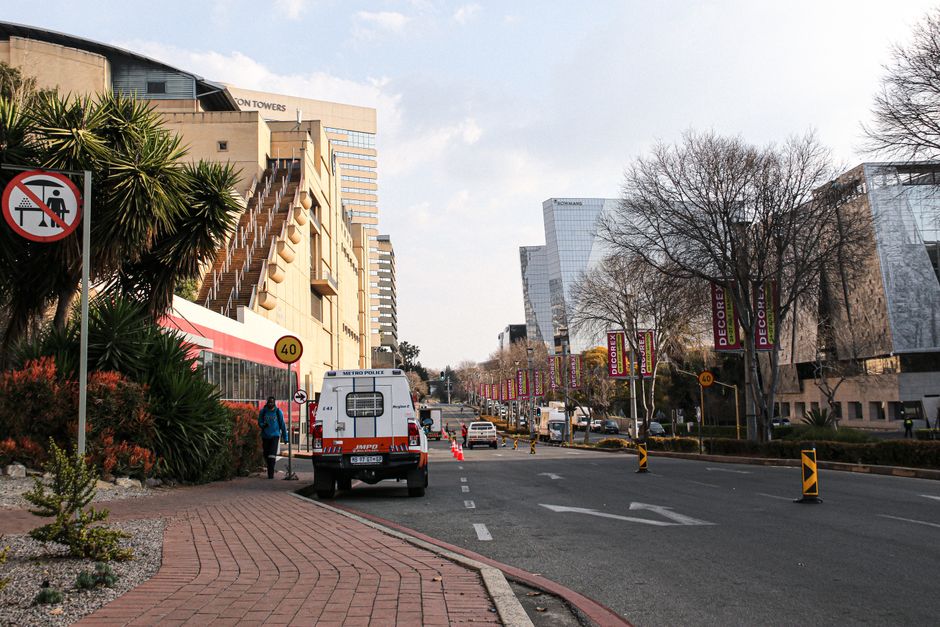
Walking through the Design District in Braamfontein on any weekday morning, you'll see small business owners hunched over laptops in coffee shops, refreshing economic dashboards and scanning investment reports. They're not reading fiction. They're trying to decode whether to expand inventory, hire staff, or hold tight.
Understanding what economic indicators actually mean has become survival strategy for Johannesburg's entrepreneurial class. And right now, the signals are mixed.
South Africa's manufacturing sector contracted 1.2% in the first quarter of 2026, according to Statistics South Africa data released last month. For businesses operating from industrial parks in Marshalltown and Fordsburg—where metalwork, textiles, and light manufacturing cluster—this matters enormously. A contraction signals weakening demand, tighter margins, and cautious supplier behaviour. One local production manager noted that payment terms have stretched from 30 to 45 days among major clients.
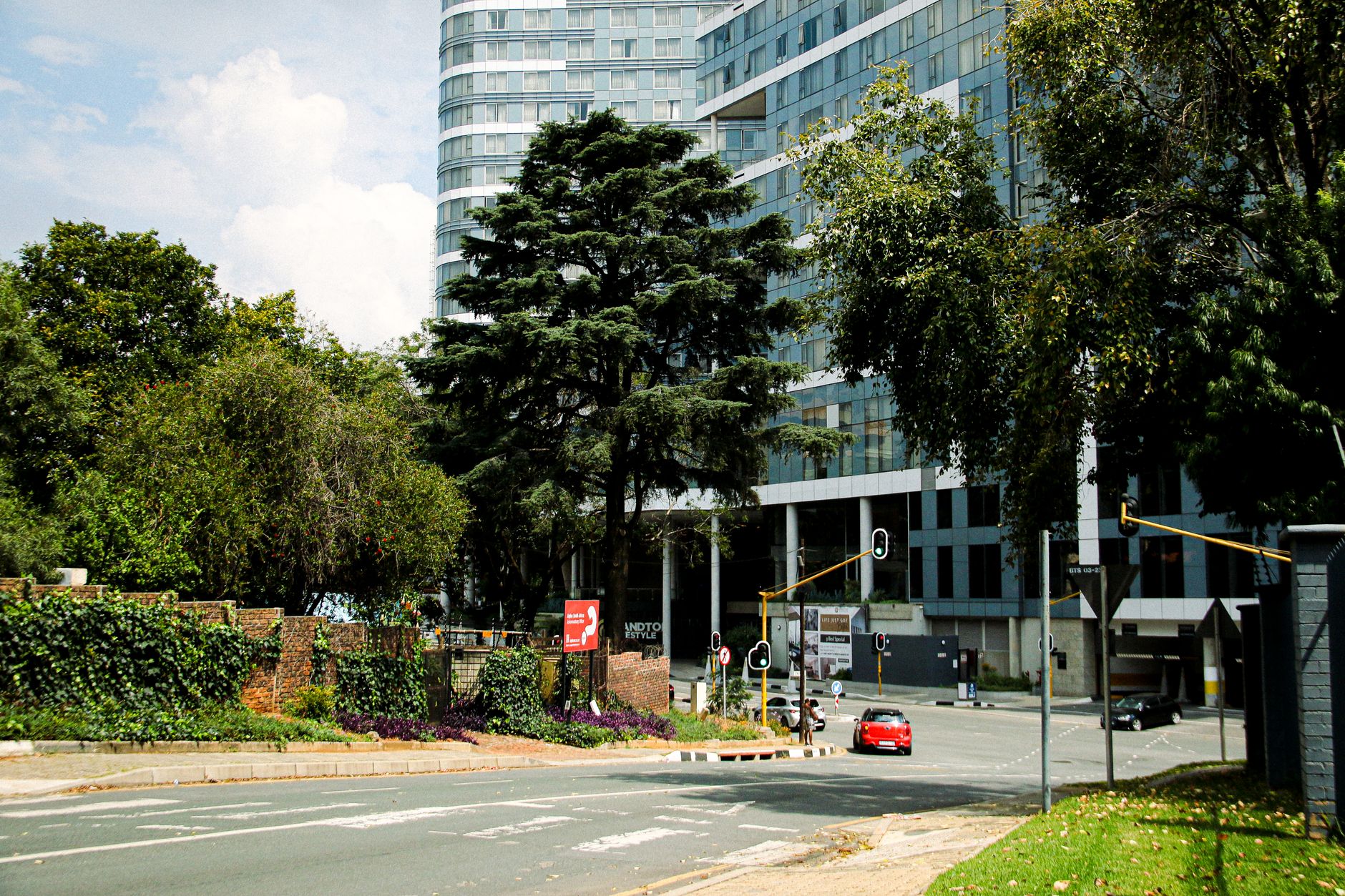
Yet foreign direct investment tells a different story. Technology and fintech inflows into Johannesburg have increased 18% year-on-year, with venture capital firms establishing satellite offices in Sandton's corporate towers. This bifurcation reveals an economy stratifying: digital entrepreneurs riding investment waves while traditional manufacturers weather headwinds.
The Johannesburg Stock Exchange's all-share index gained 6.7% in the first half of 2026, primarily driven by financial services and healthcare stocks. Small business owners should notice this distinction. When large-cap equities outperform while SME lending rates remain elevated at 9.5-11.5%, capital flows upward, away from street-level entrepreneurs.
Property prices in established business nodes like Rosebank and Sandton North have appreciated 8-12% annually, pricing out emerging entrepreneurs seeking office or retail space. Conversely, secondary nodes like Johannesburg's northern suburbs are attracting spillover investment from smaller firms priced out of premium areas.
Interest rate expectations matter critically. The South African Reserve Bank's measured approach to rate cuts—holding steady at 8.25% in June—signals cautious optimism rather than aggressive stimulus. For businesses carrying debt, this means borrowing costs won't ease significantly soon.
The real insight for entrepreneurs lies in sectoral selectivity. Investment flows concentrate where returns appear secure: digital services, healthcare, logistics. Traditional retail and manufacturing face investor scepticism. Small business owners in these sectors must either innovate toward higher-value propositions or accept margin compression.
The economy isn't failing. It's simply channelling capital selectively. Johannesburg's entrepreneurs who decode these flows—understanding where investment gravitates and why—gain crucial planning advantages. Reading indicators beats guessing.
This article was compiled by AI from the sources linked above and screened before publishing. See our editorial standards.