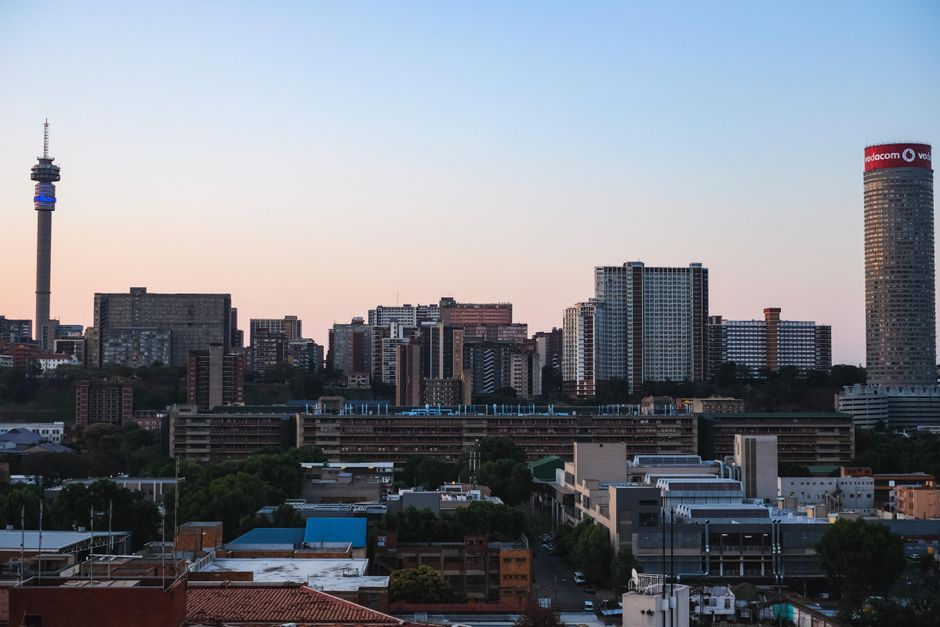
Johannesburg's tourism sector is experiencing a marked inflection point. Year-to-date visitor numbers are tracking 18% above 2025 levels, according to data from the Johannesburg Tourism Company, with particular strength in leisure travel offsetting traditional conference-driven business arrivals. For hospitality operators, property developers, and experience providers across the city, understanding these shifting dynamics has become essential to survival.
The composition of visitors has changed materially. Middle-income African travellers—particularly from Nigeria, Kenya, and Egypt—now represent 34% of international arrivals, compared to 22% three years ago. This demographic favours mid-range accommodation in accessible locations over luxury offerings in isolated precincts. Hotels clustered around the Sandton business district are reporting softer margins as booking patterns flatten, while properties positioned near transport hubs and cultural attractions report occupancy rates exceeding 75%.
Length of stay has compressed. The average visitor now spends 3.2 nights in Johannesburg, down from 4.1 nights in 2023. This reflects both shorter city breaks and the growth of multi-destination African itineraries. Businesses dependent on extended-stay revenue—serviced apartments and corporate housing providers—face structural headwinds requiring portfolio repositioning.
Day-tripper economics are reshaping the Maboneng and Arts on Main precincts. Street-level venues, galleries, and food experiences now generate 28% of their revenue from same-day visitors, a sevenfold increase over two years. Restaurants and bars in these neighbourhoods are adapting menus and pricing to capture mobile, experience-hungry cohorts willing to spend on authenticity but price-sensitive on traditional tourist offerings.
Digital dependency is non-negotiable. Seventy-four percent of bookings now originate via mobile platforms and African travel aggregators rather than traditional websites. Guest houses and smaller operators without mobile-optimized systems report booking declines of 12-15% annually.
Pricing power has shifted toward experience curators rather than accommodation providers. Walking tours, craft workshops, and cultural programming command premium pricing—often R450-R800 per person—while hotel room rates remain compressed by oversupply and regional competition.
Safety perception remains a barrier. International visitor surveys consistently cite personal security as the primary constraint on stay duration and return visitation. Operators investing in professional security auditing and transparent communication report measurably improved conversion metrics.
The message is clear: static business models will not survive this transition. Success requires operators to abandon traditional tourist-economy playbooks, embrace African market nuances, and compete fiercely on experience value rather than infrastructure alone.
This article was compiled by AI from the sources linked above and screened before publishing. See our editorial standards.