Johannesburg's tourism sector is flashing green lights that economists say offer one of the clearest reads on the city's economic trajectory. International visitor arrivals jumped 23% year-on-year in the first quarter of 2026, according to Statistics SA data, while accommodation providers report occupancy rates hovering near 72%—a level not seen since before the 2020 downturn.
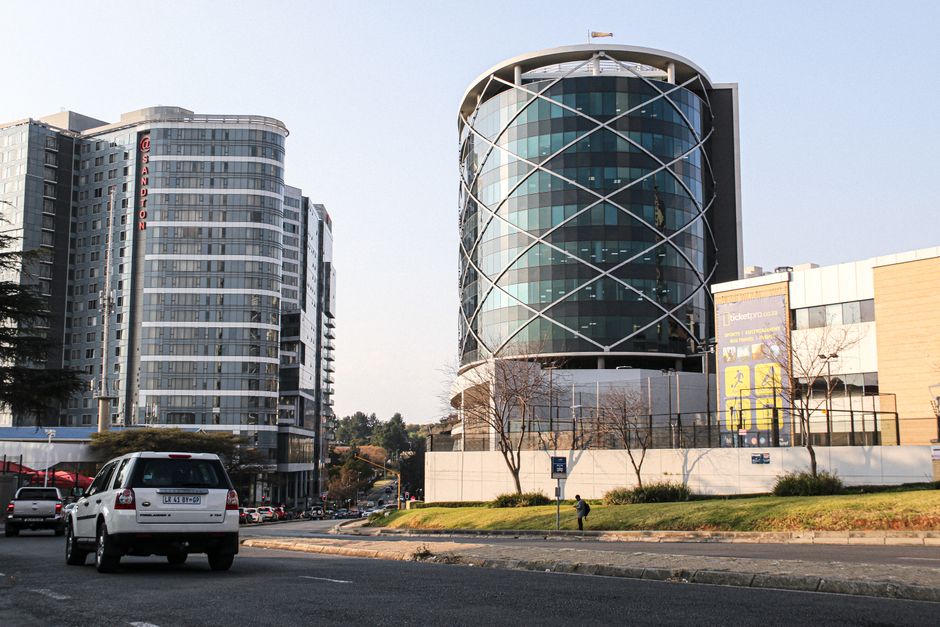
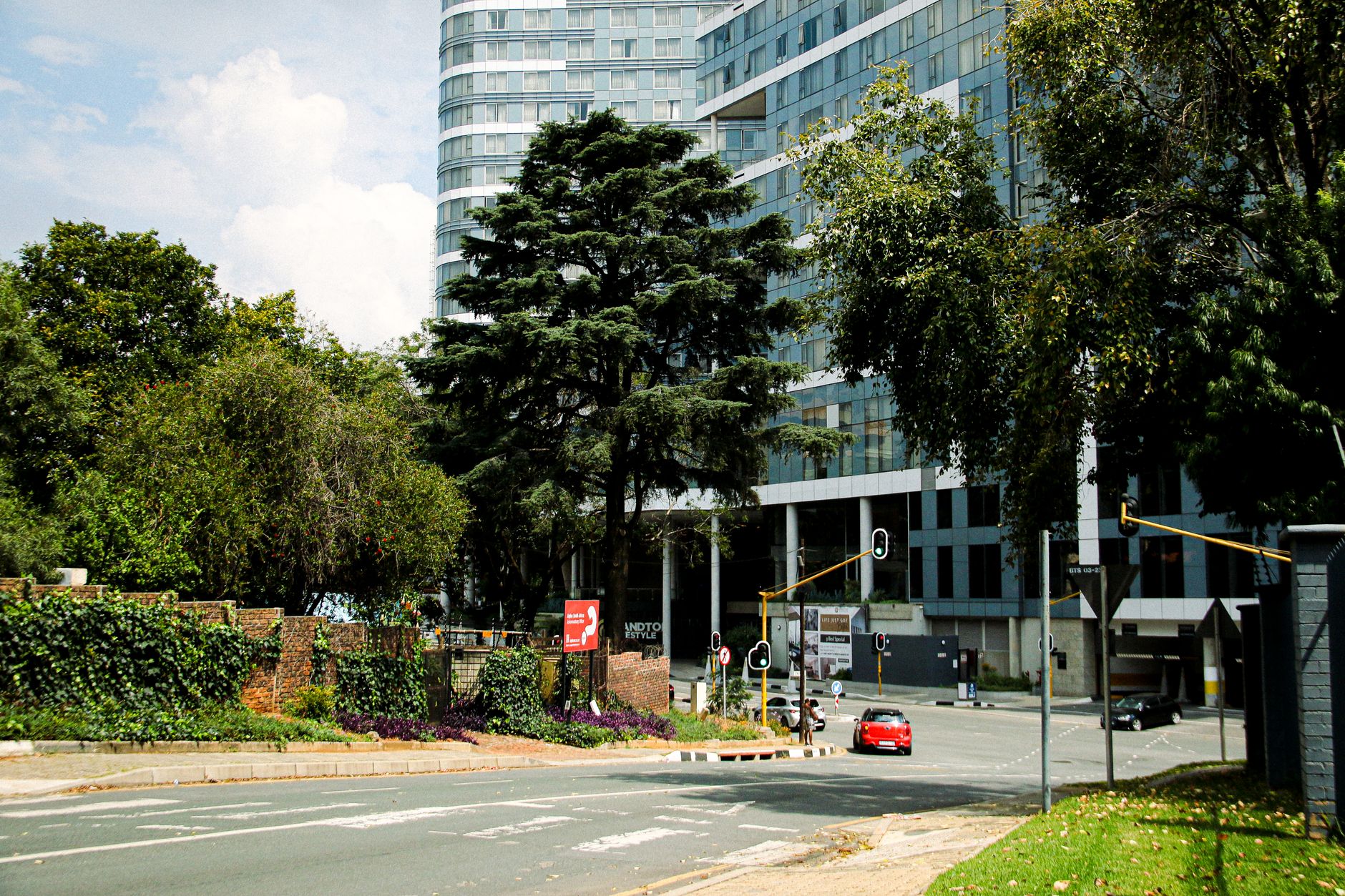
The numbers translate into tangible investment flows. Hotel groups have committed an estimated R2.8 billion to new properties and renovations across the city's key precincts. The Sandton and Braamfontein corridors alone have attracted four major hospitality developments, with construction beginning on a 250-room luxury establishment near Johannesburg Stock Exchange House and a boutique hotel complex along the revitalised De Korte Street precinct.
"Tourism spending acts as an economic multiplier," explains the Johannesburg Development Agency, which tracks these metrics closely. "Every rand spent by an international visitor generates additional activity in restaurants, retail, transport, and cultural venues." Average daily spend per tourist has risen to R1,840—up from R1,520 in 2024—with leisure travellers increasingly venturing beyond Sandton into cultural attractions like the Apartheid Museum and Soweto heritage sites.
This visitor economy expansion matters because it diversifies revenue streams beyond traditional sectors. The Gauteng Tourism Authority estimates that tourism now accounts for approximately 3.2% of Johannesburg's economic output, up from 2.4% three years ago. Convention and business travel has rebounded particularly sharply, with the Johannesburg Convention Bureau reporting a 31% increase in bookings for major conferences and events.
Yet local economists caution against complacency. Foreign direct investment in tourism infrastructure remains concentrated among large multinational operators. Smaller, township-based tourism enterprises—guesthouses, cultural tours, and craft enterprises—have not proportionally benefited. The City's tourism grant scheme, which allocated R145 million in 2025-26, struggles to reach informal operators who lack formal registration.
Infrastructure gaps persist too. Roads linking OR Tambo International Airport to Johannesburg's city centre remain congested, and public transport connectivity to emerging tourism zones requires urgent attention. The proposed Rea Vaya bus rapid transit expansion, budgeted at R890 million, aims to address this but faces funding uncertainties.
Industry observers note that sustained growth requires reinvestment of tourism revenues into city services, safety initiatives, and community-level tourism infrastructure. The next 18 months will reveal whether current investment momentum signals genuine recovery or merely short-term opportunism.
This article was compiled by AI from the sources linked above and screened before publishing. See our editorial standards.