Johannesburg's Tech Scene Shifts: Five Market Trends Every Startup Founder Must Watch Right Now
As venture capital appetite cools globally, local innovators are pivoting toward profitability, B2B solutions, and African-first thinking.
As venture capital appetite cools globally, local innovators are pivoting toward profitability, B2B solutions, and African-first thinking.
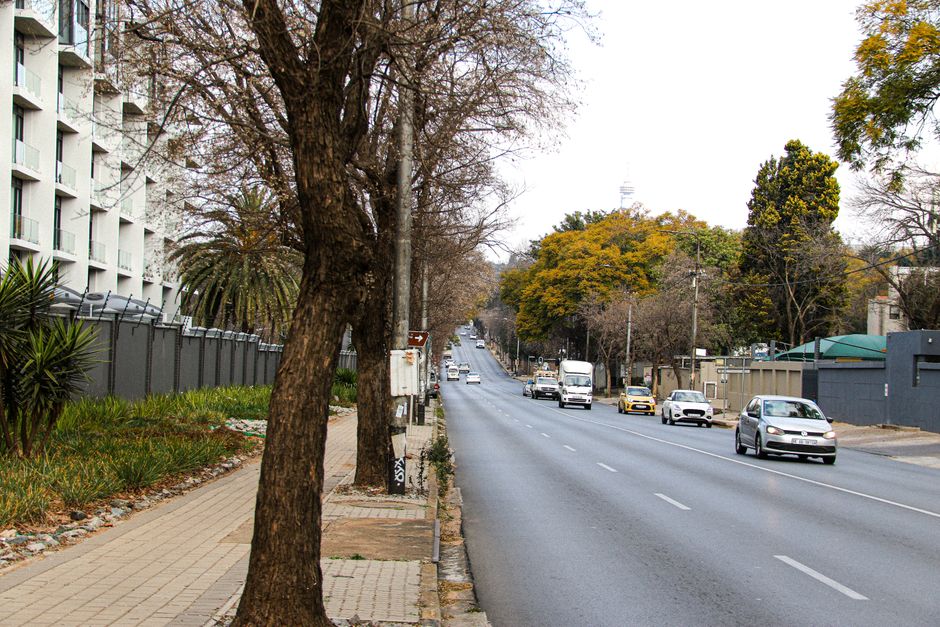
The energy in Johannesburg's innovation corridors—from the Maboneng Precinct's converted warehouses to the gleaming co-working spaces dotting Sandton's skyline—remains palpable, but the conversation has fundamentally changed. Gone are the days when a polished pitch deck and a Silicon Valley story could unlock seed funding with ease. Today's startup ecosystem demands something tougher: tangible pathways to revenue.
According to data from the Johannesburg Development Agency and recent surveys of tech operators in the city, venture capital deployment in South Africa has contracted by roughly 23% year-on-year through the first half of 2026. Locally, this means founders are getting leaner faster. The average seed round in Johannesburg now sits closer to R2–3 million, down from R4–5 million eighteen months ago. What matters now is unit economics, not vanity metrics.
This shift is reshaping which sectors attract backing. B2B software serving African supply chains, fintech solving real payment friction, and climate-tech addressing energy challenges are outpacing consumer-facing startups. Several incubators operating from Braamfontein and Fourways report that pitches focused on solving problems for businesses—not just consumers—are progressing further through their pipelines.
A second critical trend: the "African-first" lens is no longer aspirational jargon; it's operational necessity. Johannesburg-based founders who once looked to American comparables as templates are now building for 35+ markets across the continent from day one. This requires different infrastructure choices, payment rails, and hiring strategies. The cost implication is real—but so is the addressable market.
Third, talent dynamics are stabilising. After years of exodus to international hubs, Johannesburg is retaining mid-level tech talent better than it did in 2023–24. Competitive salaries for senior engineers have plateaued at around R1.2–1.8 million annually, but junior talent is markedly more available. Incubators and accelerators report stronger cohorts applying from within South Africa itself.
Fourth, the role of corporate venture arms is expanding. Major JSE-listed companies and established conglomerates are increasingly making strategic bets on startups addressing supply-chain, logistics, and manufacturing challenges. This creates alternative pathways to capital beyond traditional VCs.
Finally, infrastructure matters more than ever. Reliable power, fast internet, and physical proximity to co-founders and advisors are no longer nice-to-have. Spaces in Maboneng and the Johannesburg Innovation District are seeing sustained demand, with hot-desking rates steady at R1,500–2,500 monthly.
The message for founders: survival now depends on ruthless focus on unit economics, continental ambition, and solving problems for businesses. That's the Johannesburg startup thesis for the next eighteen months.
This article was compiled by AI from the sources linked above and screened before publishing. See our editorial standards.
How does this story make you feel?
Spread the word
About this article
Published by The Daily Johannesburg
Daily brief
Free, in your inbox before 7am. Weekdays.
More in Business