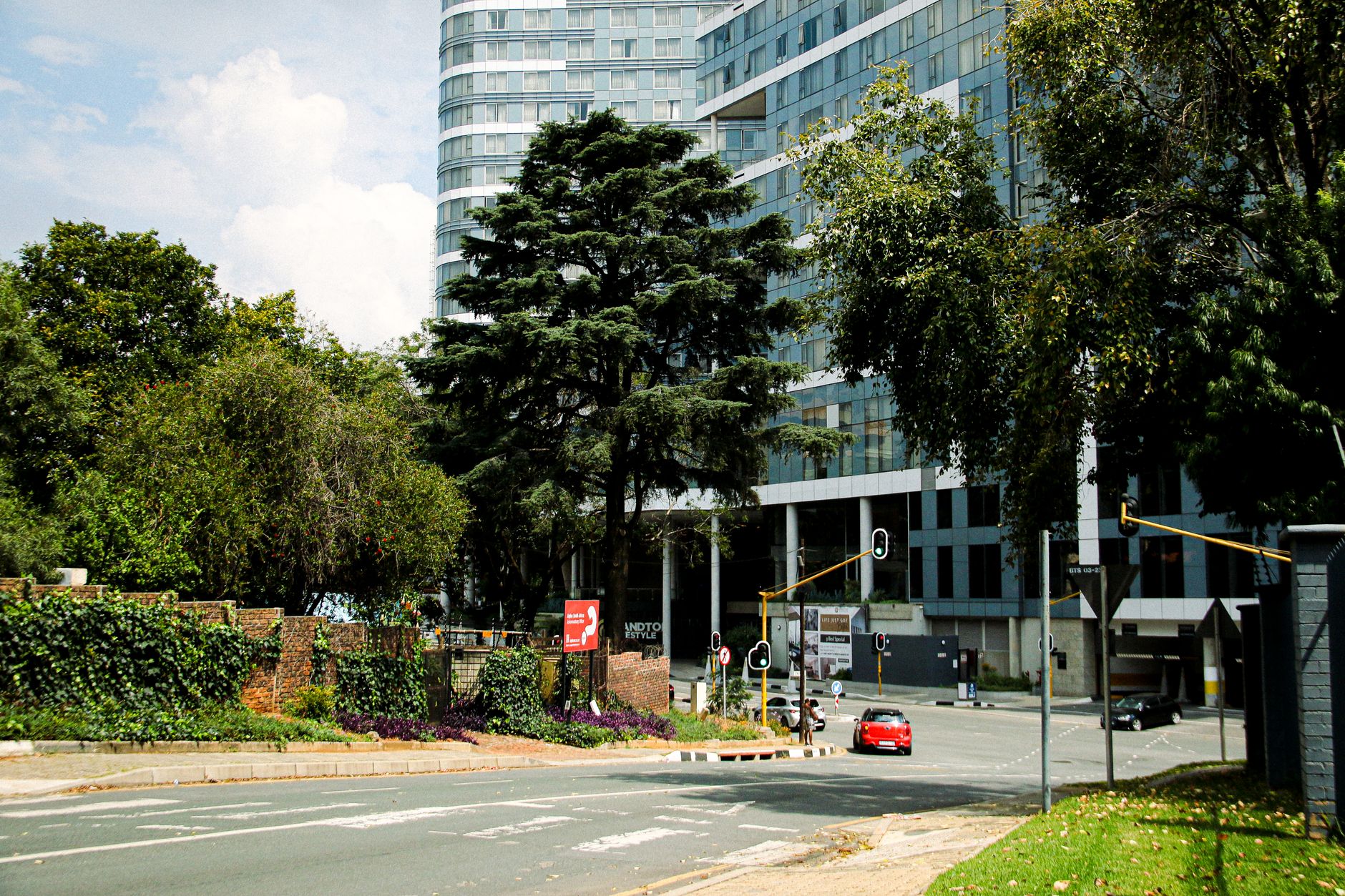
Walk into any of the gleaming office parks along Sandton's Katherine Street, and you'll hear the same refrain: solar installers, battery technicians, and renewable energy engineers are in desperately short supply. The opportunity emerging from South Africa's energy crisis is creating a wealth transfer moment, but only for those positioned to capture it.
The numbers tell the story. According to the South African Renewable Energy Council, renewable energy installations have accelerated 34% year-on-year, with Johannesburg and surrounding Gauteng accounting for nearly 40% of new projects. Solar companies are reporting wage offers that have jumped 18-22% since 2024, with experienced technicians commanding between R65,000 and R95,000 monthly—a significant premium over traditional manufacturing or retail roles.
The winners so far? A quiet cohort of mid-career professionals who saw the writing on the wall two to three years ago. Employment agencies operating from the business hubs of Rosebank and Bryanston report that candidates with formal renewable energy certifications—particularly those from institutions like the Johannesburg-based Eskom Academy of Learning or private training providers—are being placed within weeks, not months. By contrast, job seekers without specialised credentials are still competing for entry-level positions.
Alexandra-based contractor Matomo Energy Solutions, which employs over 200 technicians across Gauteng, has become a case study in this transition. The company reports that workers who've completed accredited green skills programmes earn roughly 40% more than counterparts hired five years ago. This wage premium is filtering through the economy: suppliers of solar components in the Johannesburg CBD report brisk business, while training providers operating from venues in Braamfontein are fully booked through December.
However, access remains unequal. Formal training programmes cost between R8,000 and R25,000 upfront—a barrier for many in outer townships. Government-subsidised schemes exist, but uptake remains patchy. Meanwhile, established engineering firms headquartered in northern suburbs continue to internally promote staff into emerging energy roles, concentrating opportunity within existing networks.
The moment is real, but it's narrowing. As the sector matures and global competition intensifies, early movers who've secured certifications and experience are consolidating advantages. For Johannesburg's broader workforce, the lesson is stark: the green economy is creating genuine pathways to better-paid work—but only for those who can access training now.
This article was compiled by AI from the sources linked above and screened before publishing. See our editorial standards.