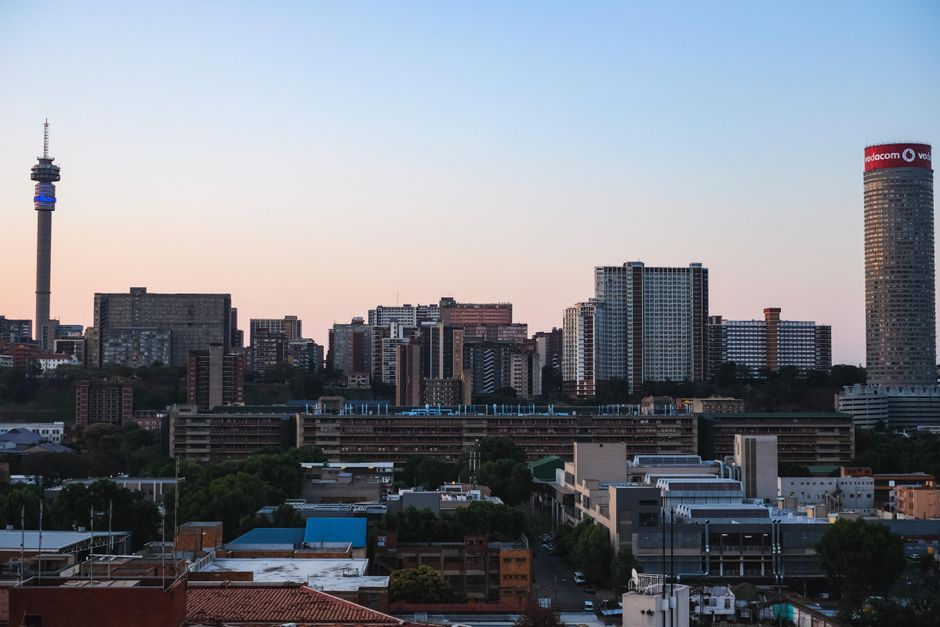
Johannesburg's business community is grappling with a perfect storm of financial headwinds. The South African rand has remained under pressure against major currencies, particularly the US dollar, complicating import costs for manufacturers and retailers across Sandton's corporate corridors and the sprawling commercial districts of Midrand.
The Reserve Bank's measured approach to interest rates—holding steady at 8.25% at the most recent monetary policy decision—has left many businesses in a holding pattern. For companies operating from the Johannesburg Stock Exchange precinct in Marshalltown and those with operations stretching into Johannesburg's industrial heartland, borrowing costs remain elevated relative to pre-2022 levels. This directly impacts expansion plans and inventory financing across sectors from automotive to fast-moving consumer goods.
Consumer spending patterns are shifting dramatically. Retailers in the Sandton City and Rosebank retail corridors report cautious purchasing behaviour, with middle-income households increasingly price-sensitive on discretionary items. Grocery inflation, while moderating, continues to outpace wage growth for most workers, squeezing household budgets and altering shopping patterns in established malls across the city.
Energy costs remain a critical wildcard. Load-shedding has forced businesses from Johannesburg's CBD to the northern suburbs to invest in solar installations and backup power—an unplanned capital expenditure that's diverted resources from core operations. Companies are increasingly factoring these costs into pricing decisions, creating a transmission mechanism that ripples through the broader economy.
Global developments add another layer of uncertainty. Rising geopolitical tensions and unpredictable trade dynamics are prompting businesses to reassess supply chain resilience. For Johannesburg-based companies with international exposure—particularly those trading with the US and Europe—currency volatility and potential tariff shifts require sophisticated hedging strategies.
The silver lining: selective opportunities persist. Financial services firms operating from the Johannesburg Stock Exchange area are seeing increased demand for portfolio diversification advice. Tech startups clustering in the Braamfontein innovation hubs are attracting venture capital despite macro headwinds. Infrastructure-focused investments, particularly those addressing South Africa's energy crisis, continue to attract institutional attention.
For businesses navigating this environment, three imperatives stand out: maintain tight working capital management, reassess supply chain efficiency, and build flexibility into operational planning. The businesses that thrive in the second half of 2026 will be those that acknowledge volatility as the new normal rather than a temporary disruption.
This article was compiled by AI from the sources linked above and screened before publishing. See our editorial standards.