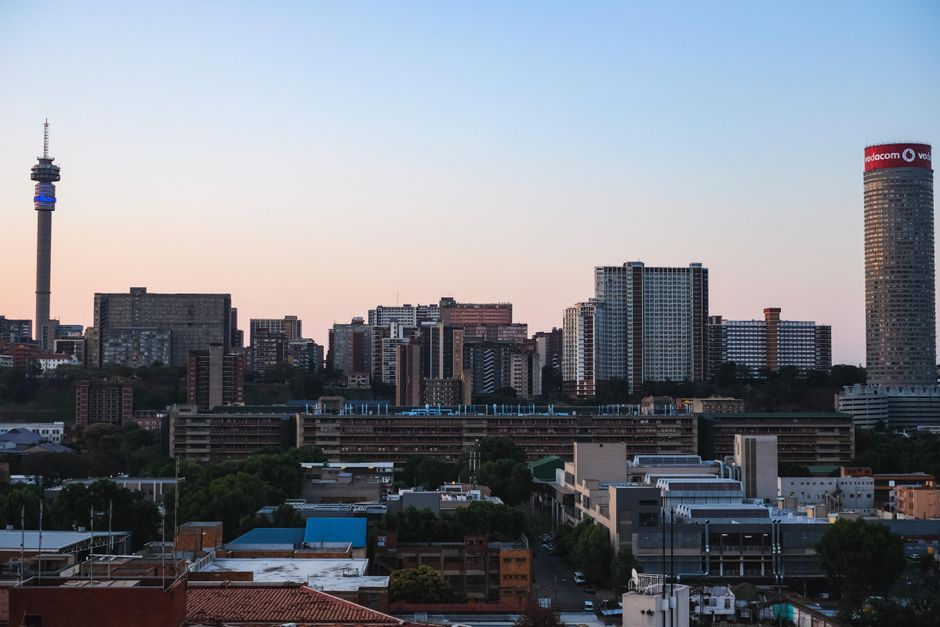
Johannesburg's reputation as a destination has undergone a quiet but unmistakable transformation over the past five years. International visitor numbers to South Africa have recovered to pre-pandemic levels, with the country welcoming over 8 million foreign tourists in 2025, according to Statistics South Africa. Yet while Cape Town and the Kruger corridor have long dominated the conversation, Joburg's visitor economy is experiencing a steady uptick—one rooted largely in entrepreneurs willing to think differently about what the city offers.
The story begins not in the corporate towers of the Sandton skyline, but in the creative spaces of Maboneng. Here, a network of boutique accommodation providers, heritage guides, and experiential tourism operators have quietly become the backbone of Johannesburg's appeal to discerning travellers seeking something beyond standard hotel stays and shopping mall itineraries.
One standout player in this ecosystem has built a portfolio of converted heritage properties across neighbourhoods like Mulbarton and Parkhurst, transforming century-old residences into small-scale guest houses that blend Joburg's industrial past with contemporary comfort. This model—investing in underutilised properties, employing local craftspeople, and partnering with neighbourhood restaurants and cultural venues—has proven both commercially viable and community-enriching.
The impact is measurable. A recent Joburg Tourism survey found that experiential tourism activities—heritage walks, artist studio visits, craft workshops—now account for 34% of international visitor spending in the city's inner suburbs, compared to just 12% five years ago. Average nightly rates for mid-range heritage accommodation have stabilised around R850–R1,200, undercutting standardised hotel chains while offering higher margins through direct bookings and word-of-mouth referrals.
What distinguishes this entrepreneurial approach is its commitment to local employment and skills transfer. Many operators actively train guides and hospitality staff from surrounding communities, creating pathways into the tourism industry for residents who might otherwise lack opportunity. Several have partnered with established organisations like Johannesburg Heritage Route and the Maboneng Precinct to create curated visitor experiences that tell authentic stories about the city's mining legacy, architectural heritage, and creative renaissance.
As Johannesburg positions itself as a gateway to deeper African experiences—a launching pad for business travellers and cultural explorers—these local entrepreneurs are demonstrating that the city's real asset isn't its shopping districts or conference facilities. It's the willingness of business leaders to invest in authenticity, partner genuinely with communities, and build an economy that works for both visitors and residents alike.
That philosophy, tested and refined over five years of sustained investment, is quietly becoming Johannesburg's most competitive advantage.
This article was compiled by AI from the sources linked above and screened before publishing. See our editorial standards.