From Maboneng to the World: How One Johannesburg Entrepreneur is Reshaping the City's Tourism Story
Lindy Nkosi's boutique hospitality venture is proving that authentic local experiences—not five-star anonymity—are what international visitors crave.
Lindy Nkosi's boutique hospitality venture is proving that authentic local experiences—not five-star anonymity—are what international visitors crave.
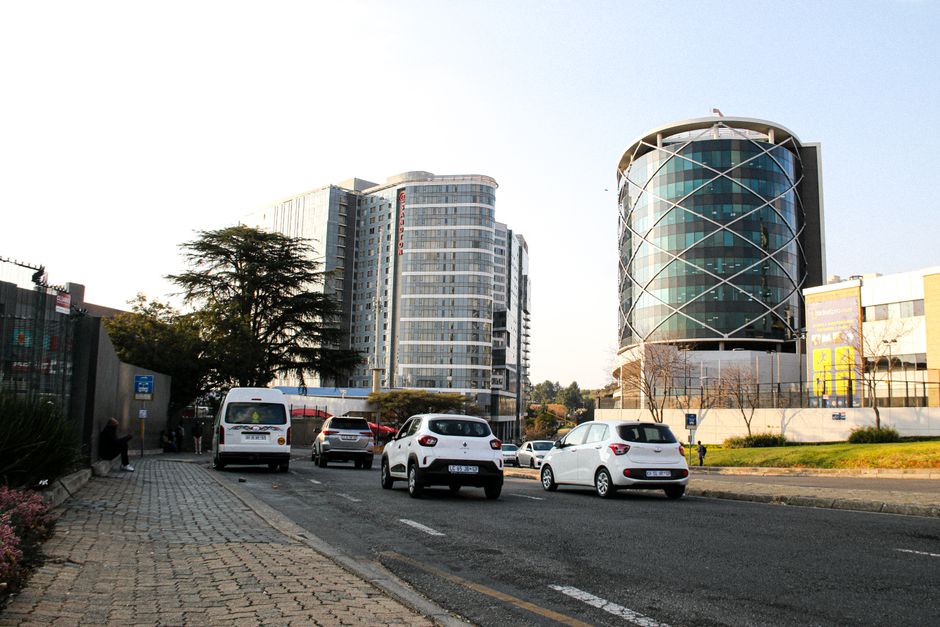
When Lindy Nkosi opened her first guesthouse on Fox Street in Maboneng in 2019, critics questioned whether tourists would venture into what many still perceived as a no-go zone. Seven years later, her portfolio spans four properties across the precinct, with occupancy rates consistently above 85% and a waiting list that extends three months ahead.
"Tourism in Johannesburg was being sold as a product," Nkosi explains from her office in the restored Victorian building that now houses her flagship property. "What international visitors actually want is to be part of the neighbourhood. They want to eat where locals eat, walk where locals walk."
Her business model is deceptively simple but radical for the local hospitality sector. Rather than competing with the Sandton mega-hotels—where a night in a luxury suite can exceed R3,500—Nkosi's properties offer curated experiences at mid-range rates. A double room at her main location runs R1,200 to R1,800, but the real draw is the included daily briefings on neighbourhood galleries, street art, live music venues, and informal economy operators that define contemporary Johannesburg.
The numbers suggest the strategy is working. Tourism Johannesburg's latest visitor report, released in March 2026, showed a 23% year-on-year increase in international arrivals, with average stay duration climbing from 2.8 to 3.9 days. More tellingly, the proportion of visitors exploring the inner city—previously accounting for just 8% of tourist activity—has jumped to 19%.
Nkoski's success has triggered a ripple effect across Maboneng and neighbouring areas. Seven additional guesthouses have opened within two blocks of her original property. Local restaurants report sustained 40% growth in tourist patronage. The Maboneng Precinct Partnership—the business improvement district—credits the shift partly to Nkosi's visibility as a credible, Black-woman-owned operation offering genuine local stewardship rather than extractive tourism models.
Yet Nkosi remains cautious about scaling too aggressively. She's currently financing a fifth property on Juta Street, but insists on maintaining personal oversight of each location. "The moment this becomes about filling beds rather than creating relationships, we've lost it," she says.
As global tourism gradually stabilizes post-pandemic disruptions, Johannesburg's visitor economy is being redefined—not by international chains or government initiatives, but by entrepreneurs like Nkosi who understand that authentic cities require authentic hospitality.
This article was compiled by AI from the sources linked above and screened before publishing. See our editorial standards.
How does this story make you feel?
Spread the word
About this article
Published by The Daily Johannesburg
Daily brief
Free, in your inbox before 7am. Weekdays.
More in Business