Johannesburg's Tourism Sector Battles Global Instability and Local Competition in 2026
While the city's visitor economy showed promise post-pandemic, geopolitical tensions, currency volatility and regional rivals are dampening growth forecasts.
While the city's visitor economy showed promise post-pandemic, geopolitical tensions, currency volatility and regional rivals are dampening growth forecasts.
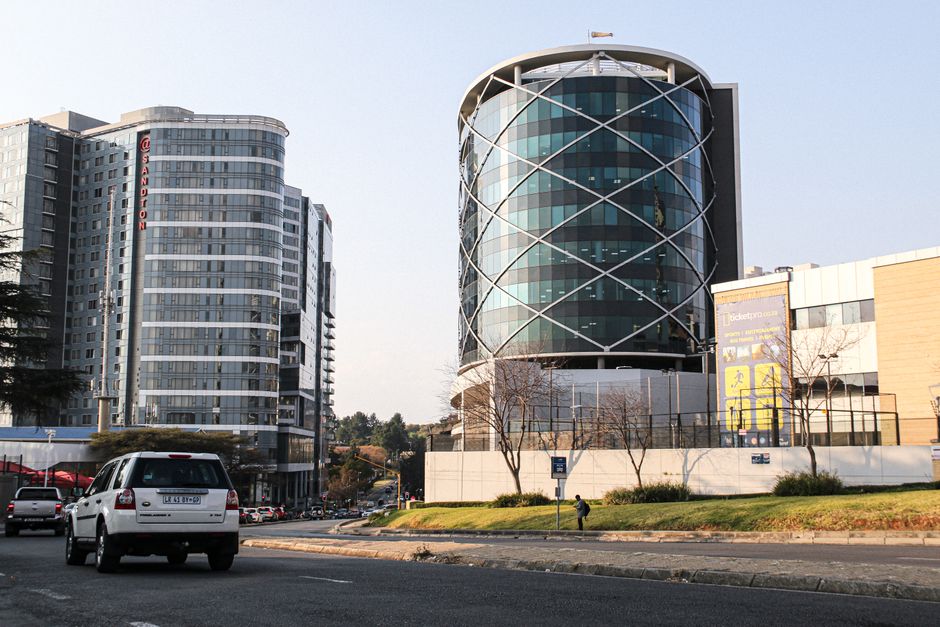
Johannesburg's tourism industry is facing a perfect storm of headwinds this year, threatening to undermine the city's recovery as a premier African destination. Hotel occupancy rates in the Sandton precinct have plateaued at around 68 percent—down from the 75 percent targets set for mid-2026—while international visitor numbers through OR Tambo International Airport remain volatile, fluctuating with each new geopolitical announcement.
The volatility stems from multiple sources. Escalating tensions in the Middle East and Pakistan-Afghanistan instability have prompted travel advisories from several source markets, particularly Europe and North America, forcing tour operators to redirect bookings elsewhere. Simultaneously, the rand's weakness against major currencies—hovering around 18.2 to the dollar—has paradoxically made the city less competitive for price-sensitive tourists, who increasingly compare Johannesburg against regional alternatives like Cape Town and Botswana.
"We're caught between competing forces," explains the tourism sector's ongoing challenge. Venues along the Maboneng Precinct and around the Nelson Mandela Bridge report softer mid-week bookings than previous years, with corporate events—traditionally a reliable revenue stream—being rescheduled or cancelled as multinational companies tighten travel budgets amid global uncertainty.
The Apartheid Museum and Soweto heritage tourism routes have maintained reasonable traffic, benefiting from domestic visitors, but this cannot offset the decline in high-spending international leisure travellers. Package tour operators report that group bookings from Europe—which typically commanded premium rates—have contracted by approximately 18 percent year-on-year.
Accommodation providers face additional pressures. New competitors in the luxury segment, particularly in the Southern African region, have diluted Johannesburg's premium positioning. Meanwhile, the cost of operations—electricity load shedding continues to affect hospitality venues, forcing many to invest in backup power at significant expense—has compressed margins precisely when revenue is under pressure.
Security concerns, while objectively stable in business districts, remain a perception problem. Marketing campaigns emphasising the city's revitalised inner-city spaces and world-class museums struggle against residual international narratives about South Africa's safety profile, particularly following incidents elsewhere on the continent.
Industry insiders suggest recovery will depend on stabilising regional geopolitics, supporting the rand's recovery, and aggressive repositioning of Johannesburg as an indispensable African business hub rather than a leisure destination. The next six months will be critical for determining whether 2026 represents a temporary setback or the beginning of a more fundamental challenge to the city's visitor economy ambitions.
This article was compiled by AI from the sources linked above and screened before publishing. See our editorial standards.
How does this story make you feel?
Spread the word
About this article
Published by The Daily Johannesburg
Daily brief
Free, in your inbox before 7am. Weekdays.
More in Business