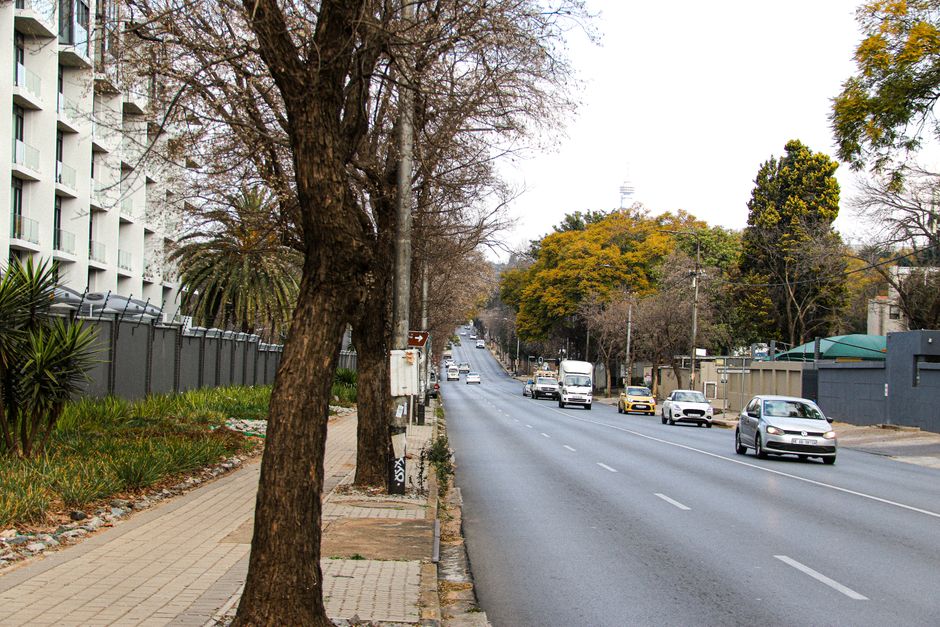
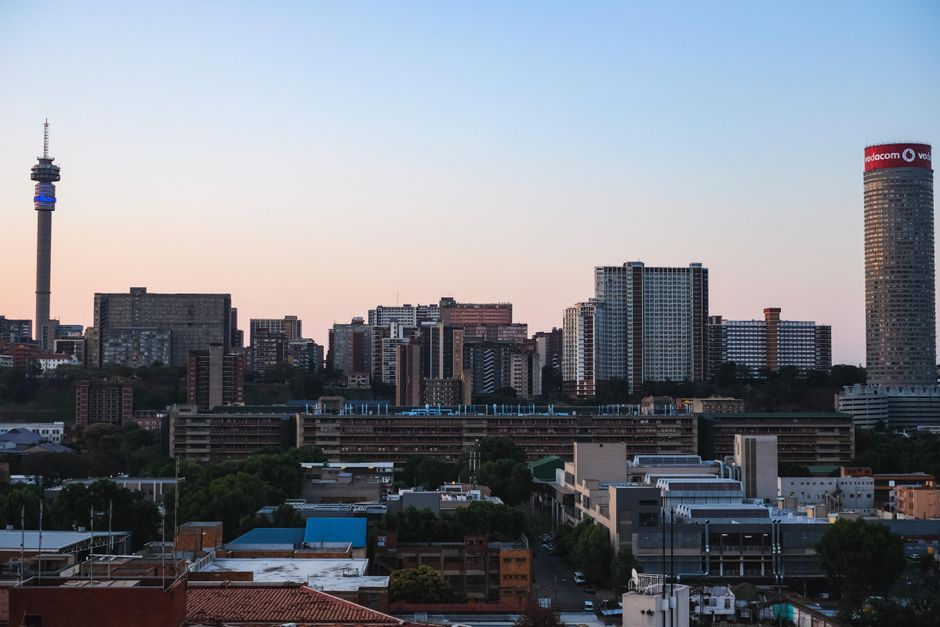
The board rooms along Sandton's Maude Street are buzzing with anxiety these days. As geopolitical tensions escalate globally—from Middle Eastern negotiations to African mining disputes—Johannesburg's business community is grappling with an uncomfortable reality: what happens in Qatar or the Democratic Republic of Congo directly impacts whether a startup in Bryanston can secure funding or whether a retail chain in the Johannesburg CBD can afford to expand.
The correlation is no longer theoretical. Recent high-profile mining transactions have demonstrated how quickly global political currents can reshape local investment priorities. When international capital becomes uncertain about regulatory environments or geopolitical stability, emerging markets like South Africa feel the pinch immediately. Local venture capitalists report increased caution when evaluating new projects, with risk premiums rising noticeably over the past quarter.
The cost of living crisis rippling through Johannesburg reflects this global instability. Commercial landlords in the CBD and Midrand are reporting slower lease negotiations as businesses delay expansion plans. Meanwhile, consumer discretionary spending—traditionally a bellwether for economic confidence—has weakened among middle-class residents in northern suburbs like Parkwood and Illovo. Retail operators on Sandton City and Menlyn Park shopping centres have noted subdued foot traffic compared to previous years.
Currency volatility presents another immediate headache for local importers and manufacturers. The rand's sensitivity to global risk sentiment means that a currency depreciation of just 5-8% significantly increases input costs for businesses reliant on imported materials. For manufacturing hubs around the Johannesburg metro, this translates directly to margin pressure and delayed hiring decisions.
The energy security situation adds another layer of complexity. Johannesburg's industrial zones—from Wadeville to Isando—depend on stable power supply to remain competitive. When global oil markets spike due to Middle Eastern tensions, South Africa's energy crisis deepens, forcing manufacturers to absorb higher diesel costs for backup generators. This cascades through supply chains, raising prices for everything from construction materials to food products on supermarket shelves across the metro.
Property developers and investors are recalibrating their strategies accordingly. Projects in emerging nodes like the New Doornfontein precinct and the Bruma Lake area face longer financing timelines as international institutional investors adopt more conservative stances. Domestic capital, meanwhile, is increasingly concentrating in perceived safe havens—established office parks in Sandton and logistics facilities near OR Tambo—rather than speculative ventures.
For Johannesburg to weather this period, business leaders acknowledge the need for strategic patience and portfolio diversification. But the underlying lesson is clear: in 2026, no Joburg entrepreneur operates in isolation from global forces.
This article was compiled by AI from the sources linked above and screened before publishing. See our editorial standards.