Johannesburg's commercial property market is sending mixed signals, and businesses looking to lease or invest need to read them carefully. The past 18 months have fundamentally altered how companies think about office space, and the shifts demand attention from anyone with skin in the game.
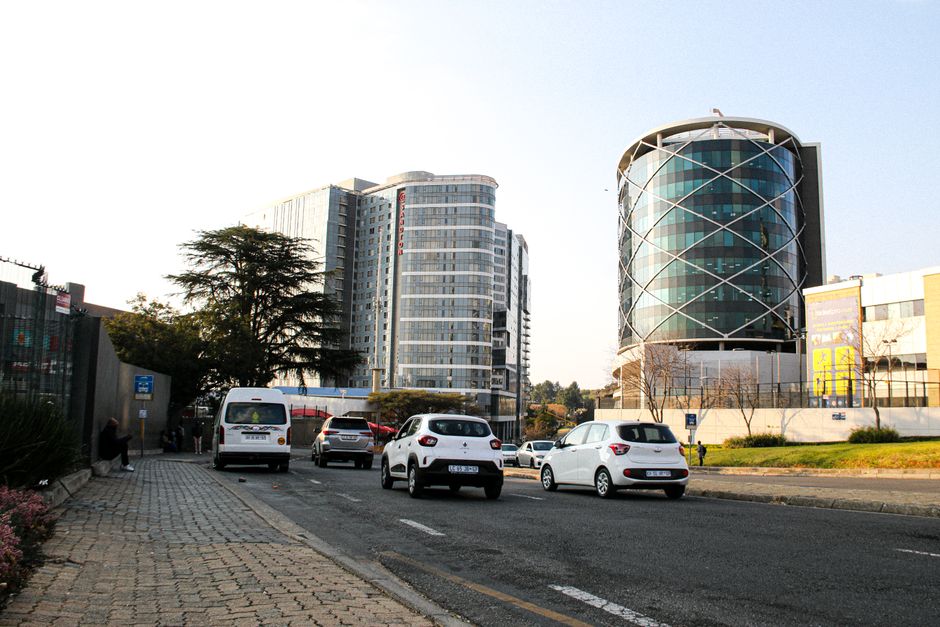
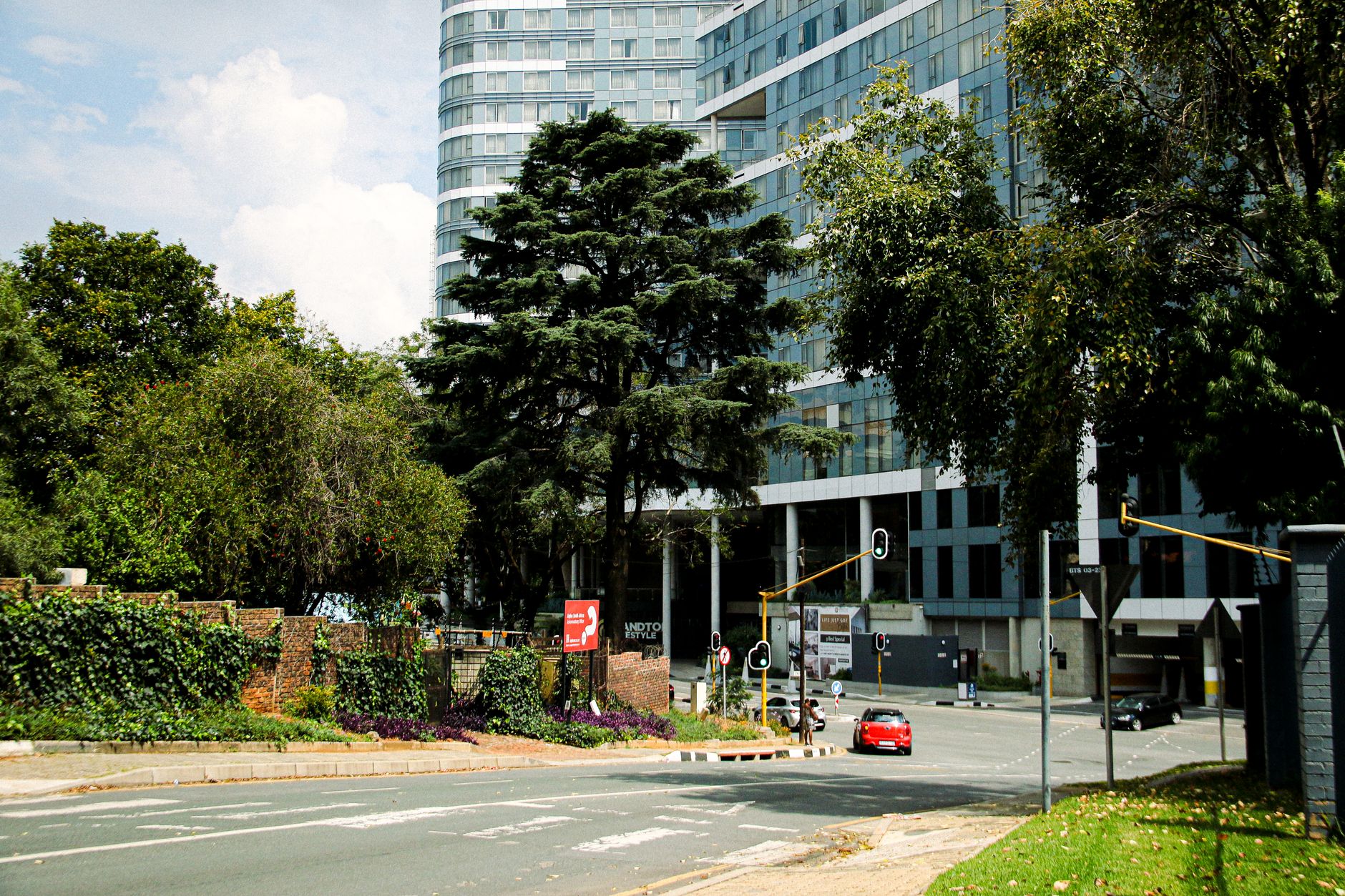
The headline trend is straightforward: traditional central business district space is under pressure. Properties in Sandton's core—traditionally the city's premium address—are seeing increased vacancy rates hovering around 12-14%, according to industry observers tracking the market through 2026. Meanwhile, rental rates that commanded R180-220 per square metre annually in top-tier buildings two years ago are now showing compression, particularly for longer leases. Companies are being more selective, negotiating harder, and often asking landlords to contribute to fitout costs.
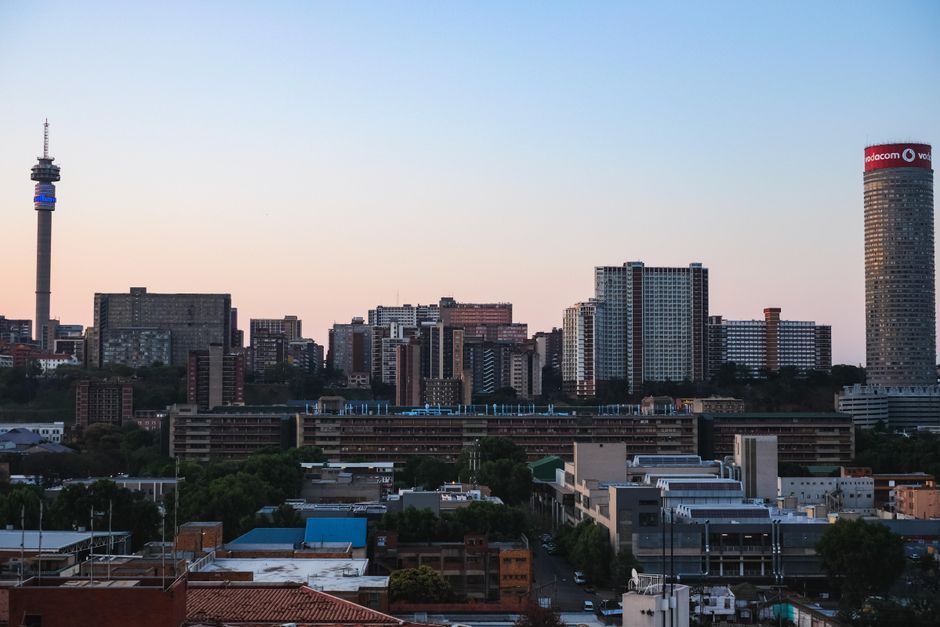
But the story isn't uniformly grim. Emerging nodes are attracting attention. The Midrand corridor, anchored by developments near the Gauteng Department of Infrastructure offices and the expanding tech ecosystem around Centurion, is seeing genuine interest from mid-market firms seeking better value. Rosebank, despite its challenges, continues to attract financial services firms and creative agencies banking on walkability and mixed-use vibrancy. Braamfontein's revival narrative has cooled somewhat, but selective redevelopment projects continue attracting younger companies and non-profits.
The real wildcard is remote work maturation. Unlike the panic response of 2020-2021, businesses are now making deliberate choices about space. Some are consolidating headquarters footprints while maintaining satellite hubs. Others are shrinking desking ratios and prioritizing collaboration zones over traditional cubicles. This is good news for flexible workspace providers but challenging for long-term landlords holding conventional inventory.
Interest rates remain a structural headwind. At current levels, cap rates on office investments have compressed, making acquisition less attractive for many investors. Simultaneously, refinancing existing debt has become painful, pressuring some owners to sell or accept longer leasing timelines.
For businesses making decisions now: negotiate hard on lease terms and break clauses; consider mixed-use spaces in secondary nodes if your operation allows flexibility; and factor in longer-term technological change—office design is becoming as important as location. Landlords holding primary Grade A inventory in Sandton will likely remain resilient, but secondary stock faces real headwinds.
The Johannesburg market isn't collapsing, but it's definitely sorting itself. Clarity is replacing uncertainty, and that's ultimately healthy for decision-making, even if it means some segments face harder choices ahead.
This article was compiled by AI from the sources linked above and screened before publishing. See our editorial standards.