wellness
Johannesburg Sleep Experts Expose Blue Light Myth: What Actually Kills Sleep
Johannesburg sleep specialists weigh in on the blue-light myth-and what actually disrupts your rest in a city where night-time screen habits are climbing.
How we reported this
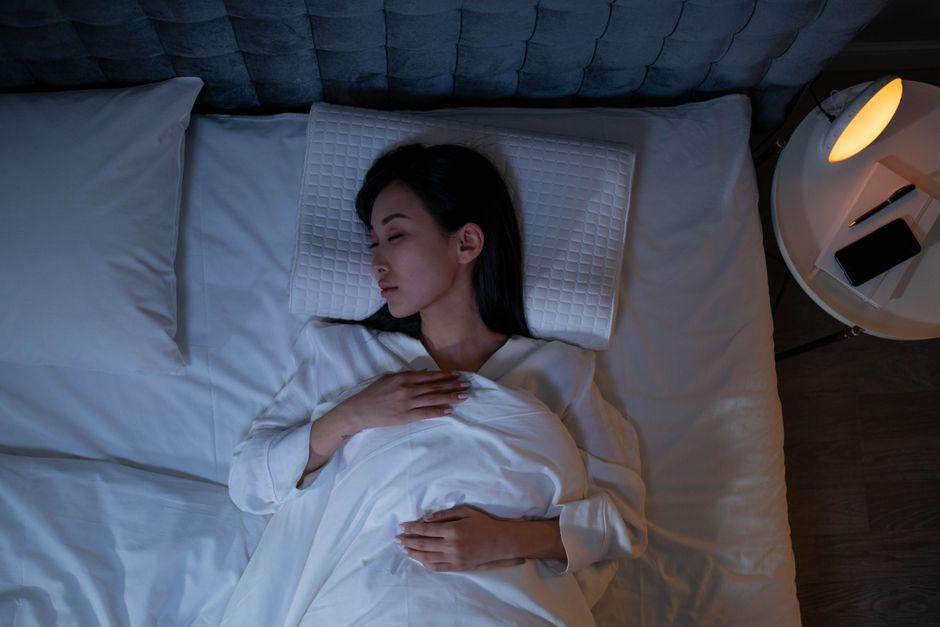
The blue glow from your phone at 11 p.m. might not be the sleep killer you think it is. A growing body of research suggests the relationship between screens and sleep is more nuanced than the digital-detox industry has sold us, and Johannesburg health professionals are pushing back against oversimplified warnings that may be steering patients toward unnecessary anxiety about their evening habits.
The shift matters now because sleep complaints are climbing in Joburg's working-age population. Between irregular commute times across the sprawl from Sandton to the south, economic pressure dampening work-life boundaries, and the always-on culture of digital work, many residents are already primed to blame their phones for poor rest. Understanding what the evidence actually supports-and what is hype-can help people target real sleep problems instead of chasing a digital ghost.
The blue-light narrative under scrutiny
The conventional wisdom holds that blue light from screens suppresses melatonin, the hormone that triggers sleepiness, and therefore screens before bed must disrupt sleep. The reality is messier. Research published in recent years shows that while blue light does suppress melatonin in laboratory conditions, the effect in real-world bedroom use is often weak or offset by other factors-and crucially, the *content* you're consuming and the *time* you spend matter far more than the light wavelength itself.
Sleep clinics at facilities like Netcare Linksfield and other private practices across Johannesburg are seeing patients fixate on screen timing while overlooking the actual culprits: caffeine intake after 2 p.m., inconsistent sleep schedules across weekdays and weekends (common among Joburg professionals juggling multiple time zones), and the cognitive stimulation of scrolling news or work email in the hour before bed. One sleep physiologist at a major Johannesburg hospital noted that patients often report better sleep after reducing overall screen engagement and establishing a consistent wind-down routine-but the improvement tracks more closely with the routine itself than with the absence of light.
A 2024 meta-analysis of sleep and screen studies found that while acute exposure to bright blue light in the hours before bed can delay sleep onset by 10 to 15 minutes on average, this effect is largely reversible and competes with far stronger sleep disruptors: stress, alcohol, and irregular bed times. The study also noted that many people who cut screens altogether report no sleep improvement if they don't address underlying anxiety or schedule drift.
What Johannesburg sleep researchers are actually seeing
Local wellness practitioners working with Johannesburg's fitness and outdoor communities-including the Parkrun movement that draws hundreds every Saturday morning to venues like Zoo Lake-are observing a different pattern. The people reporting the best sleep tend to combine consistent morning light exposure (helping reset the circadian clock) with regular exercise and a genuine wind-down period before bed, regardless of whether screens are in that period. For Joburg residents accustomed to high-stress work environments and long driving commutes, the issue isn't usually the phone screen itself but the mental state it enables: compulsive checking, unresolved work anxiety, or the dopamine loop of social media.
The practical advice emerging from sleep medicine is clearer than the marketing would suggest. Dimming screens an hour before bed helps, but not because of blue light-because it's a cue to slow down. Keeping phones out of the bedroom works, but mainly because it removes the temptation to check messages at 2 a.m., not because the device's light is inherently harmful. And consistent sleep and wake times, even on weekends, matter far more than screen cutoff times.
For Johannesburg professionals managing the city's demanding schedules and security-conscious indoor habits, the takeaway is straightforward: focus on sleep hygiene fundamentals. Keep your bedroom cool and dark. Stick to a schedule. Move your body-the Botanical Gardens and Zoo Lake circuits offer quiet morning options for those who can access them safely. Cut caffeine by early afternoon. And if you want to scroll before bed, do it-just don't blame poor sleep on the blue light if the real issue is the anxiety the content triggered.