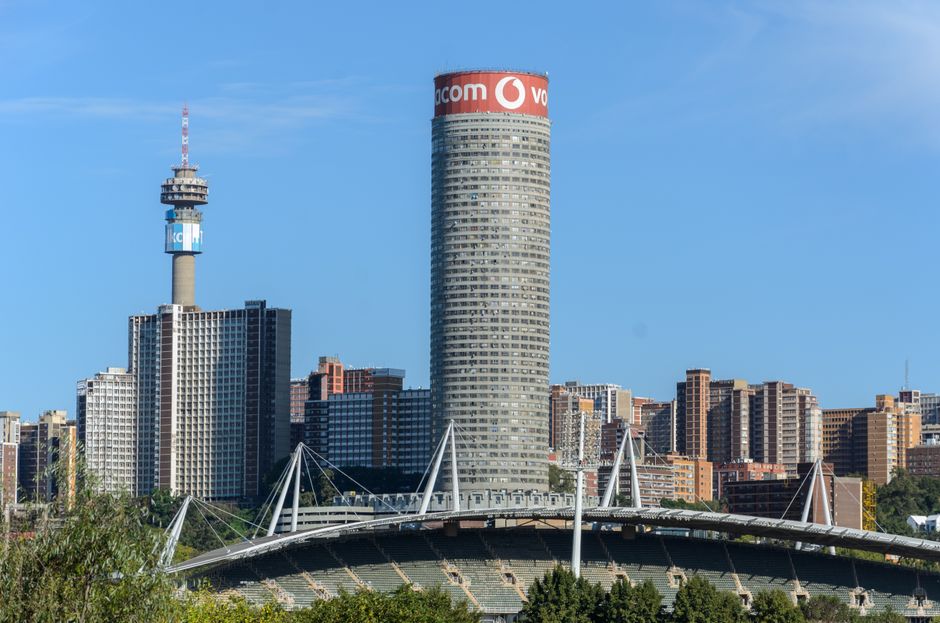
Johannesburg has more urban tree cover than almost any city its size on the continent — an estimated six million trees spread across suburbs built on what was once Highveld grassland. Yet most of that green infrastructure goes unwalked by anyone who didn't grow up here.
The gap matters right now. South Africa's public health burden from physical inactivity costs the national economy roughly R11.5 billion a year in lost productivity and healthcare spending, according to a 2024 estimate by the South African Medical Research Council. Joburg's parks offer a free, accessible corrective — if you know where to look. Most people don't, and that's exactly the point.
The routes the regulars won't tell you about
The Melville Koppies Nature Reserve, tucked behind the suburb of Melville on the western edge of the city, is the most obvious example of a place hiding in plain sight. A 90-hectare protected site managed by the Melville Koppies Management Committee, it contains Iron Age archaeological remnants and genuine Highveld grassland — the kind of ecosystem that once covered the entire Witwatersrand before the mines arrived. Guided walks run on the third Sunday of every month; the gates on Judith Road open at 8 a.m. Entry is by donation, typically R50 per adult. On any given Sunday the group is almost entirely made up of Joburg residents from Northcliff, Melville and Auckland Park. Tourists are a rarity.
A few kilometres east, the Delta Park environmental centre in Victory Park offers 52 hectares of rehabilitated riverine habitat along the Bloubos Spruit. The Delta Environmental Centre, which has operated the site since the 1980s, runs school programmes during the week, but weekend walkers use the informal trail network to log serious distance. The 5.4-kilometre outer loop through the reeds takes roughly 45 minutes at a brisk pace and passes through three distinct plant communities. No entrance fee. No parking attendant. Regulars park on Norfolk Road and slip through the main gate before 7 a.m. most mornings.
Zoo Lake in Parkview is better known, but the full perimeter loop — around the eastern edge of the Johannesburg Botanical Garden fence, down past the rowing club and back through the plane trees — extends to nearly four kilometres if you take every detour. The botanical garden itself, spread across 81 hectares off Olifants Road in Emmarentia, charges a nominal fee but offers one of the few genuine canopy walks accessible in the inner city. The Friends of the Emmarentia Dam and Botanical Garden volunteer group maintains several of the less-signed paths through the rose garden ridge and down to the dam wall.
The Parkrun factor — and beyond it
Johannesburg's Parkrun culture is well documented. The weekly Saturday morning 5-kilometre event at Delta Park regularly draws 300 to 400 participants and celebrated its ten-year anniversary at that venue in 2023. The Zoo Lake Parkrun pulls similar numbers. Both events are free and timed, and they've done genuine work in normalising outdoor exercise across income groups and racial demographics in a city that has historically struggled to integrate its public spaces.
But Parkrun is only the gateway. The regulars who've been at it for years tend to migrate toward routes where you won't hit another person for twenty minutes at a stretch. The Westdene Spruit trail, which runs north from the suburb of Westdene through Emmarentia toward the dam, is one of those. The path is unpaved, unsigned in sections, and passes under a canopy of white stinkwood and karee trees. It demands attention to footing rather than to a playlist. Several biokineticists working at practices in Greenside and Parkhurst now actively recommend it to rehabilitation patients as a low-impact alternative to gym treadmills.
If you want to start, the Melville Koppies Management Committee publishes its monthly walk schedule at melvillekoppies.org. The Delta Environmental Centre can be reached through the City of Johannesburg's parks department. Wear trail shoes, carry water, tell someone where you're going — the basic advice for any urban green space in this city — and go before 9 a.m., when the light is still low and the Guinea fowl are still arguing in the reeds. As always, consult a local medical professional before starting any new fitness programme.